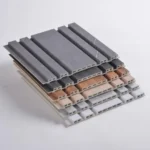
Wpc Wall Panels For Bathroom: The Complete 2026 Guide
WPC wall panels for bathroom use are water-resistant composite boards that work beautifully in most bathroom areas, but they are not 100% waterproof like PVC or ceramic tile. Co-extruded and nano-treated WPC grades with sealed edges are safe for shower splash zones, while standard WPC is best reserved for dry zones. For pure direct-spray enclosures, PVC or SPC is the safer call.
In April 2026, a renovation contractor named Daniel finished a bathroom install for a client in Leeds. The panels looked stunning, warm oak grain across three walls. Two months later, the client called back with photos: the bottom edge of a panel beside the bathtub had swollen and lifted. Daniel had chosen standard WPC and skipped edge sealing to save time. The fix meant stripping the wall, reinstalling with co-extruded panels, and sealing every cut edge. Total cost of the shortcut: nearly double the original material budget. “I thought any WPC was fine in a bathroom,” Daniel admitted. “I learned the hard way that grade and installation matter more than the material itself.”
You are probably researching wpc wall panels for bathroom renovations, a hotel project, or a home remodel. You need a straight answer on waterproofing, a clear comparison with PVC, SPC, and tile, and honest guidance on grades, installation, cost, and sourcing. This guide delivers all of it, written from the perspective of a manufacturer who produces these panels for projects around the world.
If you are new to WPC materials, our complete buyer’s guide to WPC wall panels covers all panel types, specifications, and applications in depth.
Key Takeaways
- WPC wall panels are water-resistant, not 100% waterproof. Co-extruded grades absorb under 0.5% water and are safe for shower splash zones; standard grades are for dry zones.
- The UK/EU wet-zone framework (Zone 0/1/2) is the clearest way to decide where WPC is safe in a bathroom. Use PVC or SPC for direct-spray enclosures.
- WPC beats tile on installation speed and total cost of ownership, but tile and SPC win on absolute waterproofing and impact resistance.
- Bathroom installation demands sealed cut edges, vertical panel orientation in showers, silicone in the grooves, a waterproofing layer behind the panels, and expansion gaps.
- Factory-direct pricing for bathroom-grade WPC ranges from roughly $35 to $90 per m² for standard to co-extruded panels, before installation and accessories.
Why WPC Wall Panels Are Popular for Bathrooms
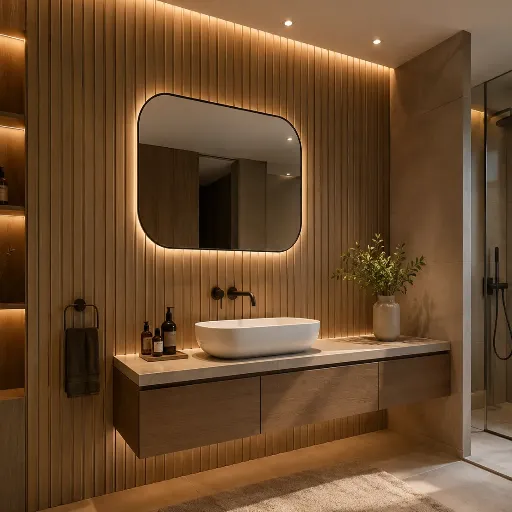
Bathrooms are the number one residential application for waterproof wall panels, and WPC has become a leading choice for a simple reason: it delivers the warmth of wood without the maintenance nightmare of real timber.
The market confirms the shift. Research from Research and Markets values the global shower wall panel market at about $2.6 billion in 2026, with growth projected at 4.6% annually through 2034. Bathroom renovation and replacement demand is the primary driver, and the trend is expected to continue through 2035 as homeowners modernize aging wet areas.
Three forces are pushing buyers toward WPC in particular:
- Renovation speed. Panels install in hours, not days. A full bathroom can be re-clad in a weekend, versus weeks for tiling.
- Eco-friendly materials. Around 72% of homeowners now prefer sustainable options, and WPC is made from recycled plastic and wood fiber with a carbon footprint roughly 37% lower than PVC.
- Design flexibility. Deep wood grains, fluted textures, and stone-effect finishes let homeowners get a high-end look at a fraction of the cost of natural materials.
That combination of speed, sustainability, and style is why WPC keeps showing up in bathroom renovations, hotel bathrooms, and apartment projects alike.
Want to see how WPC performs in a real wet area? Request a sample kit with our standard, high-density, and co-extruded bathroom grades so you can test water resistance yourself before you commit.
Are WPC Wall Panels Waterproof Enough for Bathrooms?
Let’s answer this directly. WPC wall panels for bathroom use are highly water-resistant, not 100% waterproof. The distinction is not a marketing technicality. It determines where you can safely use the panels.
WPC is a Wood-Plastic Composite. Wood fibers are encapsulated in thermoplastic resin, typically HDPE or PVC. The plastic matrix locks moisture out of the surface. However, because wood content remains in the core, prolonged moisture at cut edges, scratched surfaces, or poorly sealed joints can cause swelling over time.
What matters is the grade. Factory immersion tests show a wide range:
| WPC Grade | 24-Hour Water Absorption | Bathroom Suitability |
|---|---|---|
| Standard WPC | 1.5% – 3.0% | Dry zones only (vanity walls, feature walls away from water) |
| High-Density WPC | 0.5% – 1.5% | Humid interiors, Zone 2 and dry zones |
| Co-Extruded (Capped) WPC | <0.5% | Splash zones, shower walls with sealed edges |
| Nano-Treated WPC | <0.3% | Maximum resistance, approaches PVC-level performance |
For context, solid wood absorbs 10% to 15% of its weight in water during a 24-hour immersion test. Even standard WPC is 5 to 10 times more moisture-resistant than natural wood. Co-extruded WPC is 20 to 50 times better.
The clearest way to plan your bathroom is the UK/EU wet-zone framework:
- Zone 0: inside the shower tray or bath, in direct water contact.
- Zone 1: above the bath or within 1.2 m horizontally and 2.25 m vertically of the shower head.
- Zone 2: within 600 mm of Zone 1.
- Outside zones: the rest of the bathroom.
Co-extruded WPC with fully sealed edges can work in Zone 1 and above. Standard WPC belongs in Zone 2 and dry zones. Only PVC, SPC, or tile belong in Zone 0 and direct spray. Our in-depth answer on whether WPC panels are truly waterproof in bathrooms walks through each zone with more detail, and our guide to waterproof WPC grades and water absorption data covers the material science behind the numbers.
WPC vs PVC vs SPC vs Ceramic Tile for Bathroom Walls
Every bathroom buyer compares materials. The good news is that WPC, PVC, SPC, and tile all have clear roles. The right choice depends on which bathroom zone you are covering and what you value most.
Here is the master comparison:
| Factor | WPC | PVC | SPC | Ceramic Tile |
|---|---|---|---|---|
| Waterproofing | Water-resistant (0.3-3% absorption) | 100% waterproof | 100% waterproof | 100% waterproof |
| Wet-zone rating | Zone 1-2 (co-extruded) | Zone 0-1 | Zone 0-1 | Zone 0-1 |
| Impact resistance | Good | Medium (hollow cores puncture) | Excellent | Excellent (can crack) |
| Thermal & acoustic | Best (air pockets insulate) | Good | Lowest | Low |
| Weight | Moderate | Lightest | Heaviest | Heavy |
| Aesthetics | Closest to real wood | Can look plasticky | Realistic stone/slate | Natural stone look |
| Cost (per m²) | $35-90 | $20-60 | $50-120 | $25-150+ (plus labor) |
| Eco-friendly | Highest recycled content | Recyclable, low-end VOCs | PVC-based | Energy-intensive |
When WPC Wins
Choose WPC when you want a warm, wood-look surface in dry zones, feature walls, vanity areas, or the upper half of a bathroom. It beats tile on installation speed, feels warmer to the touch, dampens sound, and carries the lowest environmental footprint of the four. Our WPC vs PVC comparison for bathroom wet zones and the honest WPC vs SPC wet-zone head-to-head go deeper on the two most common debates.
When PVC, SPC, or Tile Wins
Choose PVC or SPC for direct shower enclosures and wet rooms where water hits the wall constantly. Both are 100% impervious with zero organic content. Tile remains the premium choice for full wet walls and high-end designs, though it costs more in materials and labor. If you are weighing panels against traditional tiling, our total-cost comparison of WPC panels vs ceramic tiles shows exactly where each makes sense for a typical bathroom project.
The practical verdict from manufacturers: use co-extruded WPC for the feature wall, bath surround, and dry zones, then use PVC, SPC, or tile for the shower enclosure. That hybrid approach gets you the premium wood aesthetic where you see it and the bulletproof waterproofing where you need it.
WPC Wall Panel Grades for Bathrooms
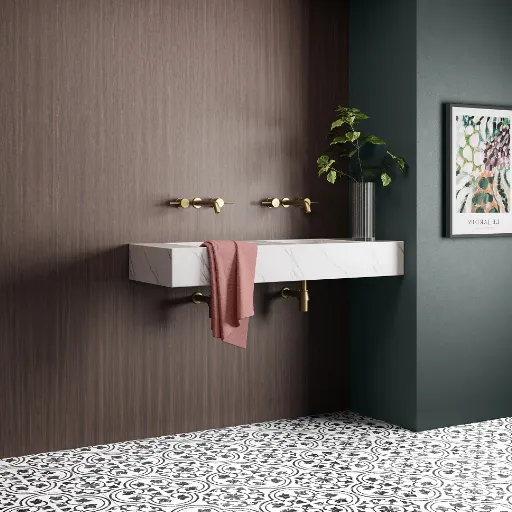
Not every panel labeled “WPC for bathroom” is created equal. Understanding the four manufacturing tiers prevents the exact failure Daniel experienced in Leeds.
Standard WPC
Single-extrusion panels with no protective cap. Wood fiber and plastic are mixed and extruded as one layer. Absorption runs 1.5% to 3.0%. Fine for dry zones, risky anywhere water splashes. Budget-friendly, but read the limitations carefully.
High-Density WPC
A higher plastic-to-wood ratio and compressed core produce a denser, less porous board with 0.5% to 1.5% absorption. A solid mid-range choice for powder rooms, laundry areas, and mildly humid spaces.
Co-Extruded (Capped) WPC
The breakthrough for bathrooms. A pure polymer cap is extruded simultaneously with the core and bonds at a molecular level. The cap seals the wood fibers, dropping absorption below 0.5%. This is the grade we recommend for shower splash zones and bath surrounds.
Nano-Treated WPC
A nano-silica or nano-polymer surface treatment fills surface pores and creates a hydrophobic effect, pushing absorption below 0.3%. Still emerging and priced at a premium, it is the closest WPC gets to PVC-level resistance.
When you compare grades side by side, you also want to check thickness (5 to 9 mm for walls), whether the grain is embossed rather than printed, and whether anti-mold additives are in the formulation. Our complete buying guide for choosing WPC wall panels for your bathroom turns these specs into a step-by-step decision checklist.
Pro tip: Buy roughly 5% extra panels. WPC is tougher than plastic but more brittle than wood, and panels can chip during shipping or installation.
Where to Use WPC in the Bathroom
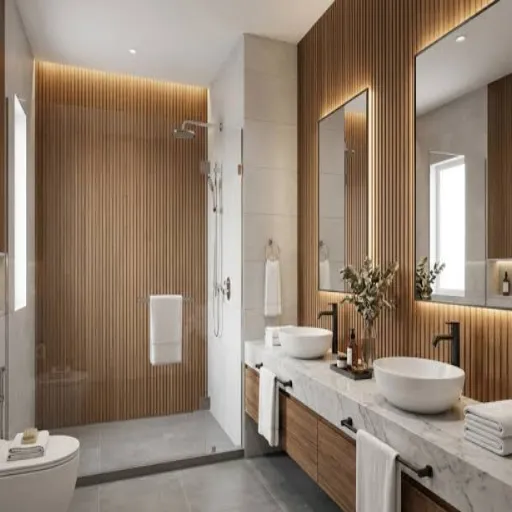
WPC is not a single-purpose material. It shines in some bathroom areas and should be avoided in others. Here is the honest room-by-room breakdown.
Shower Walls and Wet Rooms (Zone 0/1)
Only co-extruded or nano-treated WPC belongs here, and only with fully sealed edges and vertical installation. Horizontal installation creates grooves where water sits and works its way in. For most direct-spray showers, PVC or SPC is still the safer recommendation. Our detailed guide to WPC panels for showers and wet rooms covers which grades are safe and how to install them.
Bath Surrounds (Zone 1/2)
A strong fit for co-extruded WPC. Bath surrounds see splashes but not constant spray. Seal the floor-wall junction with a 2 to 3 mm gap of anti-mold silicone to stop water wicking up behind the panels.
Vanity and Sink Walls (Zone 2)
Standard or high-density WPC works here. Sink areas get splashes, but ventilation and proximity to water are manageable. This is one of the easiest places to introduce WPC to a bathroom.
Dry Zones and Feature Walls
Any grade works. This is where WPC looks best, behind a freestanding tub, on a vanity wall, or as a full feature wall. You get the wood aesthetic with zero maintenance.
Small Bathrooms
WPC is excellent for small bathrooms because vertical panels draw the eye upward and make ceilings feel higher. Light wood tones expand the space visually. Our design ideas for WPC bathroom wall panels includes small-bathroom strategies alongside full-room inspiration.
Bathroom Ceilings
WPC panels work on ceilings in well-ventilated bathrooms, but confirm the manufacturer’s rating first. Ceilings see steam and condensation, so co-extruded grades with sealed edges are the safe choice.
Installing WPC Wall Panels in Bathrooms
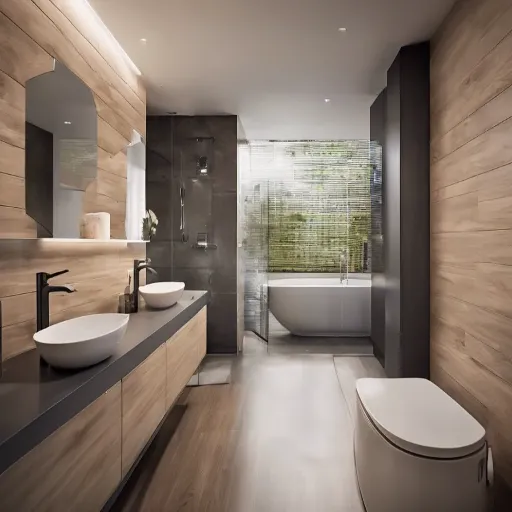
Installation is where WPC bathroom projects succeed or fail. The material is forgiving. Bad installation is not. These are the rules we give every contractor and DIY renovator.
Prepare the Substrate
The wall behind the panels must be sound, dry, and moisture-tested. A damp substrate guarantees failure no matter how good the panels are. Repair cracks and address any existing mold before you start.
Install a Waterproofing Layer
Even with waterproof WPC, moisture can seep through panel joints to the wall behind. A proper waterproof membrane or coating behind the panels prevents long-term dampness. This step is non-negotiable in showers and bath surrounds.
Choose Framework or Adhesive
In bathrooms, use furring strips or framework rather than full adhesive where possible. The air gap allows moisture to dry out behind the panels, which dramatically reduces mold risk. Space furring strips 40 to 60 cm apart, and use galvanized steel or aluminum in damp areas instead of wood.
Seal Everything
This is the step Daniel skipped. Seal every cut edge with high-grade, mold-resistant silicone. WPC is waterproof on the face, but a cut edge exposes the wood fiber core. Apply a thin bead of clear silicone inside the grooves before clicking panels together. Use matching corner trims and seal their edges. Leave a 2 to 3 mm gap at the floor-wall junction and fill it with anti-mold sealant.
Install Vertically in Showers
Vertical panel orientation prevents water pooling in grooves. This single choice prevents a large share of bathroom WPC failures.
Allow for Expansion
WPC expands and contracts with temperature and humidity. Leave 1 to 2 mm gaps between panels and 2 to 3 mm at the perimeter. Panels installed flush against the ceiling will bow and pop off the wall when hit by hot shower steam.
Our step-by-step bathroom installation guide walks through cutting around pipes and fixtures, installing over existing tile, and every sealing step with detail. For general installation methods across all applications, see our standard WPC wall panel installation guide.
Design Ideas and 2026 Trends
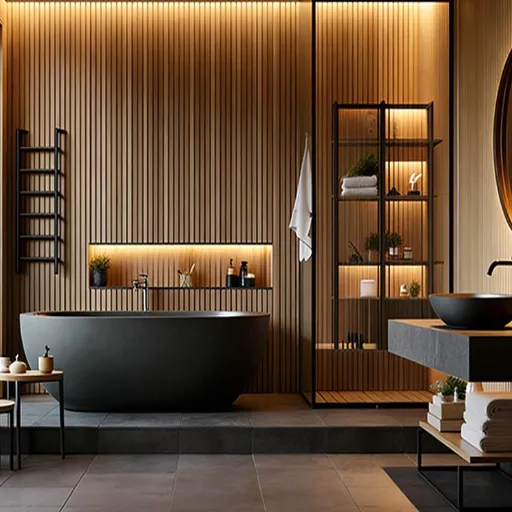
WPC wall panels for bathroom designs have moved well beyond plain wood grain. The 2026 trend cycle favors texture, warmth, and seamless surfaces, and WPC is perfectly positioned to deliver all three.
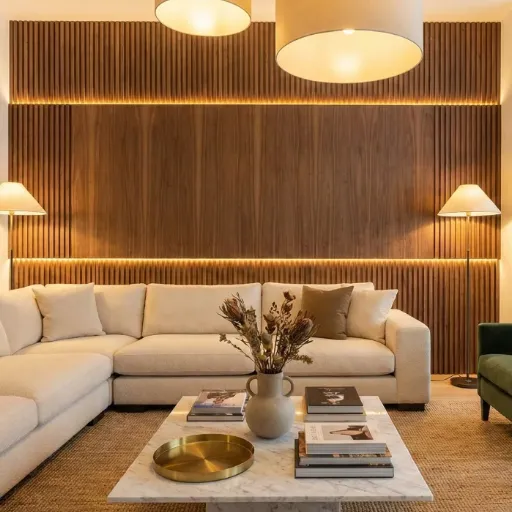
Fine-Pitch Fluting and Vertical Slats
Wide flutes are giving way to fine-pitch fluting with tighter spacing. Surfaces read as textured from a distance and resolve into precise detail up close. Vertical slats add warmth to cold bathroom surfaces and pair beautifully with matte black fixtures.
Stone Drenching
The “stone drenching” trend uses the same stone-look surface on walls and ceilings for a monolithic, cave-like effect. Stone-effect WPC panels now offer larger-format relief and deeper shadow lines at a fraction of the cost of real stone.
Biophilic Wood Looks
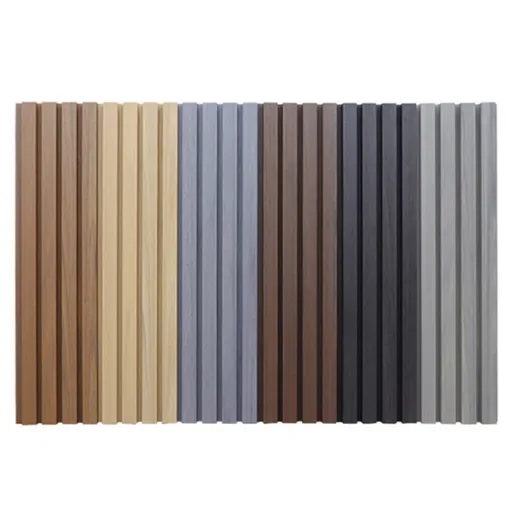
Deep 2.0 mm embossing and ultra-matte finishes make modern WPC read as real wood even up close. This is the longest-running trend, and it suits feature walls and bath surrounds especially well. If you want fluted and slat options, browse our 3D slat and fluted WPC panel range for bathroom-ready designs.
Moody Matte Colors
The “sad beige” era is ending. 2026 embraces oxblood red, forest green, navy, and charcoal in matte finishes. In a bathroom, a dark WPC accent wall creates a dramatic, spa-like focal point, especially with integrated lighting.
Seamless Large-Format Panels
Large-format panels with near-invisible joins replace grout-line tiling for a serene, uncluttered look. This works exceptionally well in wet areas because there are fewer seams to seal.
For a full gallery of looks, from spa-style to industrial, plus small-bathroom space tricks, see our 2026 design ideas for WPC bathroom wall panels.
How Much Do WPC Bathroom Wall Panels Cost?
Cost is where WPC surprises people, both pleasantly and not. The material itself is affordable, but the total project cost depends on grade, installation, and accessories.
Material Cost per Square Meter (2026)
| Tier | Cost per m² | What You Get |
|---|---|---|
| Economy (hollow core / PVC blend) | $35−$55 | Budget option; dry zones only |
| Standard solid core | $60−$90 | Mainstream bathroom panels |
| Premium co-extruded | $100−$250 | Capped panels for splash zones |
The Full Project Picture
Material is only part of the total. Budget for:
- Installation labor: roughly $60 to $130 per m² depending on wall complexity.
- Accessories: clips, corner trims, and battens add about $15 to $25 per m².
- Wastage: 10% for flat panels, 15% for fluted or slatted panels that require pattern alignment.
For a typical mid-size bathroom of around 15 to 20 m² of wall surface with standard solid-core WPC, expect a total installed cost of roughly $2,000 to $4,500, depending on your region and grade.
WPC vs Tile: The Honest Cost Comparison
Panels almost always beat tile on installed cost. Tiling a bathroom means adhesive, grout, waterproofing, and days of labor. WPC panels go up in a fraction of the time with no grout and no re-grouting later. Over a 10-year horizon, panels also save money on maintenance, because there are no grout lines to crack, stain, or mold. For a detailed breakdown of material, labor, and maintenance costs across a full project, see our bathroom cost guide for WPC wall panels, and for pricing across all applications, our 2026 WPC wall panel price guide.
Maintenance and Mold Prevention
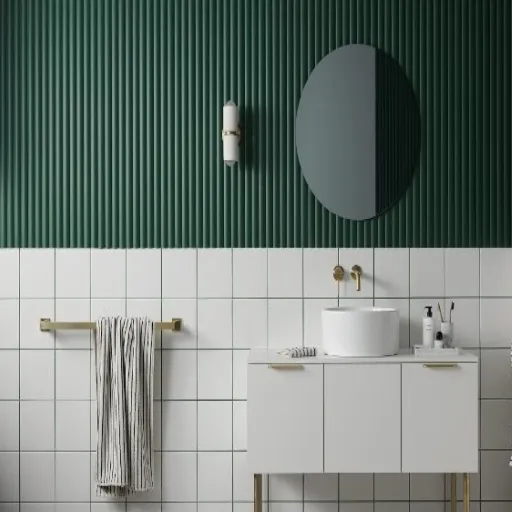
WPC is one of the lowest-maintenance wall materials you can install, but bathrooms are humid, so a few habits keep panels looking new for decades.
Clean with Mild Products
Wipe panels with a soft cloth, warm water, and mild soap. Avoid abrasive cleaners and harsh solvents, which can scratch the protective surface and expose the core to moisture. For soap scum and hard-water spots, use a gentle bathroom cleaner and rinse thoroughly.
Prevent Mold at the Joints
Mold grows where moisture is trapped, not on the panel surface itself. That is why sealed joints, sealed cut edges, and a ventilation gap behind the panels matter so much. Inspect the sealant at joints and corners twice a year and reapply when it shows wear.
Watch the Sealant
The silicone seals around edges, corners, and fixtures are the panels’ armor. Refreshing them every couple of years is cheap insurance against water ingress. Pay special attention after any plumbing work.
Know the Lifespan
Premium waterproof grades last 15 to 25 years in humid bathroom conditions, and 20 to 30 years in dry zones. Standard WPC in a wet area will not last anywhere near that long, which is why grade selection is the first maintenance decision you make.
Sourcing for Projects and Wholesale
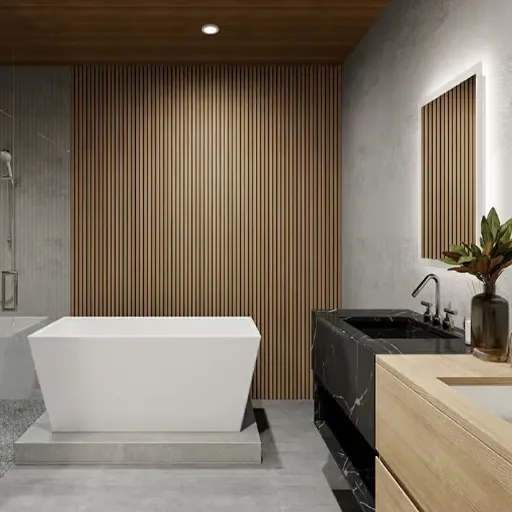
If you are buying WPC bathroom wall panels for a project or in bulk, sourcing is the last decision that can make or break your budget. These guidelines apply whether you are renovating one bathroom or supplying a hundred hotel rooms.
Retail vs Bulk
Retail purchases suit single renovations. For multiple bathrooms, hotels, apartments, or renovation contractors, bulk pricing changes the economics entirely. Wholesale buyers typically see 15% to 30% savings over retail, depending on volume.
Factory vs Trading Company
A factory sells what it makes. A trading company sells what it sources. For bathroom projects, direct factory sourcing gives you better pricing, custom grade options, and honest answers about water absorption, co-extrusion, and quality control. Our guide to evaluating WPC manufacturers in China explains how to verify a real factory versus a middleman.
Verify Certifications
Ask for measurable specs, not marketing claims. Look for water absorption test reports (ISO 17064 or ASTM D570), fire ratings (ASTM E84), and relevant CE or ISO 9001 documentation. A supplier who cannot produce independent lab documentation is selling marketing, not material science.
Test Samples First
Request samples of standard, high-density, and co-extruded grades. Submerge them for 48 hours and inspect the edges. This one test tells you more than any brochure. We send sample kits precisely so buyers can verify claims before ordering.
Understand MOQ, Lead Times, and Freight
Confirm the minimum order quantity, production lead time, and shipping terms (FOB vs CIF) before you commit. For hotel and apartment projects, plan for a realistic lead time that includes production, QC, and ocean freight.
For a complete wholesale buyer’s guide covering MOQs, sample evaluation, QC, and freight for bathroom projects, see our bulk sourcing guide for WPC bathroom wall panels.
Frequently Asked Questions
Are WPC wall panels 100% waterproof?
No. WPC wall panels are highly water-resistant, not 100% waterproof. Co-extruded and nano-treated grades absorb under 0.5% water, which is safe for bathroom splash zones with sealed edges. Standard WPC absorbs 1.5% to 3% and should stay in dry zones.
Can WPC wall panels be used in a shower?
Yes, with conditions. Use co-extruded or nano-treated WPC, seal every cut edge with mold-resistant silicone, and install panels vertically. For direct-spray shower enclosures, PVC or SPC remains the safer choice.
Is WPC better than PVC for a bathroom?
It depends on the zone. WPC wins on aesthetics, warmth, acoustic dampening, and sustainability. PVC wins on absolute waterproofing and upfront cost. For direct water contact, PVC is safer; for feature walls and dry zones, WPC looks better.
Does WPC mold in a humid bathroom?
WPC resists mold because of its plastic content, but mold can develop behind panels if moisture is trapped. A ventilation gap behind the panels, sealed edges, and a waterproofing membrane prevent this. Bathroom ventilation is still required.
How long do WPC bathroom panels last?
Premium waterproof grades last 15 to 25 years in humid bathroom conditions and 20 to 30 years in dry zones. Standard WPC in a wet area will not last as long, which is why grade selection matters.
Can you install WPC panels over existing tiles?
Yes, if the tiles are sound, flat, and clean. This is a popular renovation shortcut because it avoids demolition. Use framework or adhesive designed for over-tile installation, and check the total wall thickness for trim fit.
Conclusion and Next Steps
WPC wall panels for bathroom use are a smart, attractive, and eco-friendly choice when you match the grade to the zone and install them correctly. The key decisions are simple: use co-extruded or nano-treated WPC for splash zones, keep standard WPC in dry areas, seal every edge, and use PVC or SPC for direct-shower enclosures.
Your quick recap:
- Grade matters most. Co-extruded WPC (under 0.5% absorption) is the bathroom standard. Standard WPC is for dry zones only.
- Installation is everything. Sealed edges, vertical panels in showers, a waterproofing layer, and expansion gaps prevent the vast majority of failures.
- Panels beat tile on cost and speed. WPC installs in a fraction of the time with no grout maintenance, and the 10-year total cost is lower.
- WPC is the eco-friendly choice. Recycled materials and a 37% lower carbon footprint than PVC align with sustainable building goals.
- Source from a real factory. Verify certifications, test samples, and confirm MOQs before you commit to bulk orders.
Ready to start your bathroom project? Request bathroom-grade samples to compare standard, high-density, and co-extruded WPC side by side, or get a bulk quote for your renovation, hotel, or apartment project. Our team can help you choose the right grade for every bathroom zone, from a single ensuite to a hundred-room development.
Categories:
Blog
Related Articles