WPC Wall Panel Price Guide 2026: Costs, Factors & Buying Tips
In 2026, WPC wall panel prices range from $8 to $100+ per square meter. Your total cost for WPC wall panels depends on your choice of supplier, your selection of material grade,, and your order size. In China, factory-direct buyers pay less than retail customers who shop at local showrooms.
The gap between two numbers represents the actual distance between two points. Most customers pay excessive amounts because they lack an understanding of actual pricing methods. Rahul a contractor in Mumbai, obtained three project quotes for 1500 square meters of hotel construction, which showed price differences between 12 dollars and 38 dollars per square meter. He thought that the costly choice provided superior value. The distributor sold the identical panel through distribution channels, which offered a 40 percent markup for project management services. Rahul saved almost $22000 after he found factory-direct supplies.
This guide helps users who want to understand pricing and discover hidden charges. We will explain the 2026 pricing system while demonstrating eight cost factors that affect your project expenses, and we will teach you how to determine your actual project spending amount. After completing this lesson, you will understand wpc wall panel price structures and know exactly what to budget to avoid the markup traps that catch most buyers.
Key Takeaways
- The price of WPC panels, which manufacturers sell directly from their factories in China, ranges between $8 and $25 per square meter, while the installed retail price starts from $50 and exceeds $100 per square meter
- The three main factors that drive product pricing are raw material quality and surface technology, and order volume
- WPC costs 30 to 50 percent more than PVC for initial purchase, but its reduced maintenance requirements result in lower costs over a decade of use
- You should always plan to spend an additional 15 to 25 percent on shipping costs and accessory expenses, installation fees, and material wastage
- Manufacturers offer 15 to 30 percent discounts on bulk orders that exceed 1000 square meters
- The complete WPC wall panels buyer’s guide provides information needed to select the appropriate grade for your construction project.
What Is a WPC Wall Panel?
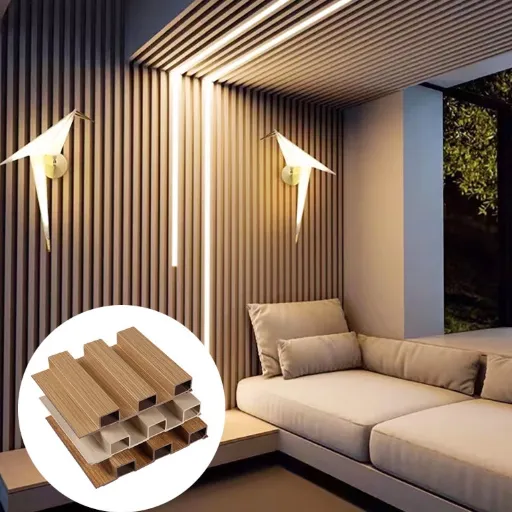
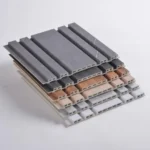
WPC stands for wood-plastic composite. It is a manufactured building material made by blending wood fibers — usually hardwood powder or bamboo flour — with thermoplastic polymers like HDPE, PP, or PVC. Additives for UV resistance, color stability, and fire retardancy complete the mix.
The result is a panel that looks and feels like natural wood but resists moisture, rot, termites, and warping. WPC wall panels are used for interior feature walls, hotel lobbies, office cladding, and exterior facades. If you want a deeper technical overview, read our complete WPC wall panels buyer’s guide. For now, just know this: WPC sits between budget PVC and premium solid wood on both price and performance. If you are weighing WPC against natural timber, our WPC vs solid wood wall panels guide breaks down durability, maintenance, and lifecycle costs in detail. Understanding that position is the key to controlling your wpc wall panel price.
WPC Wall Panel Price Ranges in 2026
The global wall panel market was valued at roughly $11.35 billion in 2025 and is projected to reach $16.81 billion by 2031, growing at 6.77% annually, according to the Arizton wall panel market report. WPC is one of the fastest-growing segments within that market. Here is how wpc wall panel price per square meter breaks down by sourcing channel and grade.
Factory-Direct and Wholesale Pricing (FOB China)
If you buy directly from a manufacturer or trading company in China, you pay the lowest material cost. Prices typically run:
- Standard indoor hollow panels:$8–$15/m²
- 3D textured or fluted panels: $12–$25/m²
- Co-extruded outdoor cladding: $18–$35/m²
- Fire-rated or designer grades: $25–$45+/m²
At about 200-500 m 2, minimum orders for standard grades are generally recommended. For bulk orders at 1000 m 2 or so, you would be at a 15-30% high discount. The prices mentioned are FOB with your obligation to take the goods, pay for shipping, and settle import duties.
Export and Distributor Pricing
Distributors who import containers and hold local stock add markup to cover warehousing, financing, and local support. Expect to pay:
- Standard indoor panels: $15–$30/m²
- Premium textured or outdoor grades: $30–$60/m²
This tier works well for buyers who need small quantities quickly or want local after-sales support. You trade cost for convenience.
Retail and Installed Pricing
End users who buy through retail showrooms or contractors pay the highest prices. Material plus labor typically totals:
- Basic interior installation: $50–$80/m²
- Premium or exterior projects: $80–$120+/m²
Labor rates vary heavily by region. In the United States, professional installation averages $10–$30/m² for labor alone according to Angi wall paneling cost data. For buyers more familiar with imperial measurements, standard interior WPC panels translate to roughly $1.40–$3.70 per square foot at the factory level and $4.65–$9.30 per square foot installed.
Price by Product Category
| Product Type | Factory Price (USD/m²) | Retail Material (USD/m²) | Key Features |
|---|---|---|---|
| Standard indoor hollow | $8–$15 | $15–$25 | Basic waterproofing, flat or wood-grain finish |
| 3D textured/fluted | $12–$25 | $25–$40 | Decorative profiles, better sound insulation |
| Co-extruded outdoor | $18–$35 | $35–$60 | UV-resistant cap layer, anti-fade, weatherproof |
| Fire-rated / designer | $25–$45+ | $45–$80+ | Class B fire ratings, custom colors, long warranties |
8 Key Factors That Affect WPC Wall Panel Price
If two suppliers quote very different prices for what looks like the same panel, one of these eight factors is usually the reason. Understanding them protects you from low-quality traps on the cheap end and unnecessary over-specification on the premium end.
The eight factors that drive the WPC wall panel price are:
- Raw material quality and composition
- Panel structure and density
- Thickness and dimensions
- Surface finish and technology
- Certifications and compliance
- Order volume and MOQ
- Brand and manufacturer reputation
- Trade terms and logistics
1. Raw Material Quality and Composition
Raw materials are directly related to 50–70% of the factory costs, virgin HDPE or PP being the standard raw material used to ensure unchanging color, strength, and thermal stability, but cost way more than recycled blends. Premiumity of using fine, sieved, wood flour at rigid moisture control down to 1–2% commands a high price. Lowly priced panels often use coarse fillers or poorly dried wood powder, which causes blistering or deformations within one to two years.
2. Panel Structure and Density
These hollow-core panels have a narrow carbon footprint and require less material and thus weigh little and also cost less. Solid or micro-foamed solid panels have better impact resistance and sound insulation, albeit at higher costs. Inquire about the weight per meter when calculating your offer. A suspiciously light panel would likely have low-density fillers or a lot of hollow space.
3. Thickness and Dimensions
Common WPC panel thickness is 8 mm to 25 mm, with an increase in cost with thickness generally viewed as needing a larger number of rubbers before laminations and cutting. Wider or longer custom dimensions may necessitate added charges since specific molds or cutting equipment have to be used for them.
4. Surface Finish and Technology
The most inexpensive to produce would be the basic sanded or matte finishes. Raised wood grains would add a mid-range premium. The premium in outdoor use is co-extrusion. Here, an outer protective layer is extruded over the core, giving superior UV resistance and color stability. Just that cap layer alone may add 5-10/m².
5. Certifications and Compliance
Products carrying CE, ASTM, ISO, or fire rating certifications are costlier due to third-party testing and factory audits. However, such certification is usually a guarantee for commercial projects and high-end residential builds. Adding certifications retroactively is usually impossible to negotiate, so get depended upon your necessities.
6. Order Volume and MOQ
There is no control to be packed than by having luxury items. Retail orders under 100 m² can easily feature prices hiked by 20 to 40%. On the other hand, for a matter of economy, such discounts apply at specific quantities, e.g., 1,000 or more. The undermining factor of the negotiators can normally be detected in the pressure to seal the transaction with a speedy conclusion.
7. Brand and Manufacturer Reputation
Established manufacturers invest more in research and development, quality control, and after-sales support. Their prices include a reliability premium. Unknown or unbranded suppliers may offer lower quotes but carry a higher consistency risk. We always recommend requesting physical samples before committing to large orders.
8. Trade Terms and Logistics
Your landed cost depends heavily on Incoterms. EXW gives you the lowest product price but you handle everything from factory gate to final delivery. FOB shifts port loading to the seller. CIF includes freight and insurance to your destination port. DDP is the most expensive but the seller handles duties and delivery. For a deeper look at how trade terms affect your total cost, see our guide on WPC vs PVC wall panels, where we break down material selection alongside logistics strategy.
WPC vs. PVC vs. Wood: Price and Value Comparison
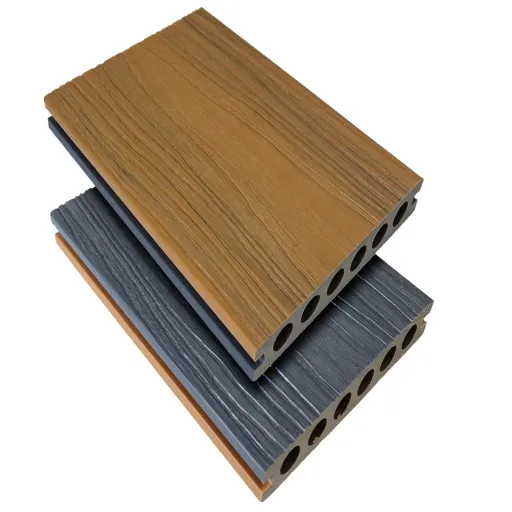
Choosing a wall panel material is not just about the sticker price. It is about what that material costs you over the life of the project.
| Material | Upfront Cost (USD/m²) | Maintenance | Lifespan | Best For |
|---|---|---|---|---|
| Natural wood | 20–20–60 | High (sealing, staining, rot risk) | 10–15 years | Traditional aesthetics |
| PVC panels | 10–10–30 | Low | 10–15 years | Wet areas, tight budgets |
| WPC panels | 15–15–45 | Very low | 15–25 years | Balanced durability and aesthetics |
| Aluminum composite | 30–30–80 | Very low | 20–30 years | High-end commercial exteriors |
WPC costs 30–50% more upfront than basic PVC. However, the total cost of ownership often flips within five years because WPC requires no painting, sealing, or replacement due to rot. For a detailed WPC panel price comparison across materials and lifecycles, see our full analysis of how WPC compares to PVC wall panels. For exterior applications, the gap is even wider. PVC fades faster under UV and can become brittle in extreme temperatures. WPC co-extruded panels hold their color and structural integrity for 15–25 years with nothing more than occasional cleaning.
Hidden Costs Buyers Often Forget
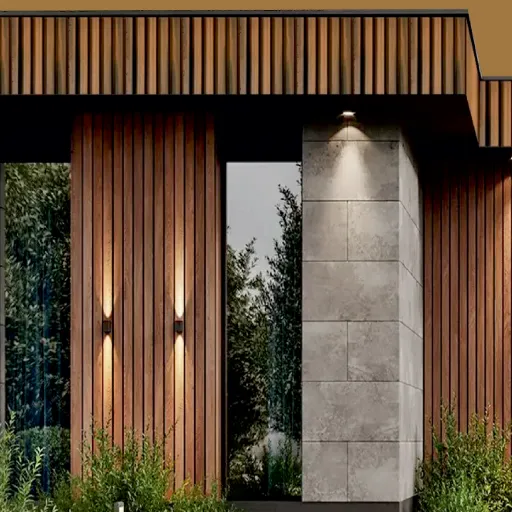
The material price per square meter is only part of the story. Here are the hidden expenses that inflate wpc wall panel cost and catch buyers off guard.
Installation Labor and Accessories
Professional installation runs 3–3–30/m² depending on your region and project complexity. Accessories like aluminum clips, keels, edge trims, and adhesives add another 1–1–5/m². If your walls are uneven, surface preparation can add 3–3–10/m².
Shipping, Tariffs, and Customs
For factory-direct orders, ocean freight typically adds 1–1–5/m² depending on volume and destination. Import duties vary by country and HS code classification. Customs clearance and port handling fees add another layer. Buyers who fail to calculate these costs upfront often find their “cheap” panels cost more than local retail once everything lands.
Surface Preparation
WPC panels can often be installed directly over existing drywall or tile, which saves significant prep work. However, damaged, uneven, or high-moisture walls require leveling, furring strips, or vapor barriers. Skipping this step to save money can void warranties and cause panel failure.
Material Wastage
Always add 10–15% to your total square footage for cutting scraps, corner pieces, and errors. Complex layouts with many windows, doors, or corners push wastage toward the higher end. Ordering exactly the measured area is a common mistake that leaves you short mid-project.
How to Get the Best WPC Panel Price
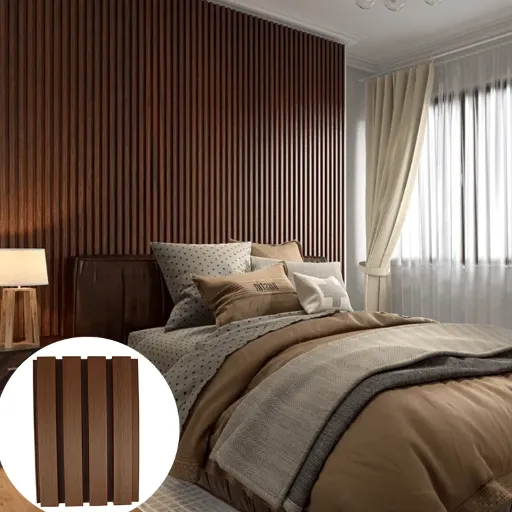
Usually, getting a convincing wholesale price of WPC wall panel will not be achieved through mere hammering of suppliers on their knees. It is, rather, identifying levers that you can pull and getting that precise type of material that you need.
Buy Direct from Manufacturers
Direct sourcing from specific factories or specialized trading companies in a manufacturing region like Linyi, Shandong, will be the fastest way to land a good price for factory-direct WPC wall panels: exclusion of middleman markups; control of specs, color, and packaging; longer lead times; but even more so, you are supposed to handle your export documents. It is worth the wait and the pain if you are more experienced in importing goods or are a commercial buyer because the savings are extraordinary.
Optimize Your Order Volume
If you have several rooms, phases, or projects, it’s smart to combine them into one order so the huge wholesale milestones can be met. A per-unit price could be lower, quickly, by adding even a few hundred meters. Buying your full 40HQ requires around 1,500-2,500 m², depending on panel dimensions, close to the best rates.
Choose Standard Specifications
Custom colors, bespoke dimensions, and private-label packaging all add cost. Sticking to standard sizes and popular finishes keeps prices low. If you must customize, limit it to one or two variables rather than rebuilding the specification from scratch.
Request Samples Before You Commit
When Chen, a project manager in Singapore, was evaluating suppliers for a 2,000-square-meter office renovation, he requested samples from five factories. Two samples arrived warped. One had visible color streaking. The remaining two looked identical on paper but weighed noticeably different. Chen chose the denser panel. Two years later, that choice saved him a callback because the cheaper option had started showing surface cracking in high-traffic corridors. Samples cost a few hundred dollars. Replacing failed panels costs thousands.
Verify Certifications Early
Request receipts post-production when applying for fire-rating or CE documentation. This must be on file with any reputable manufacturer. This should offer a clear warning if the supplier hesitates regarding the promise that “they will come soon.” Check what is required by your local building codes before negotiation, and instead, request the copies of actual numerical test results.
WPC Wall Panel Price by Region
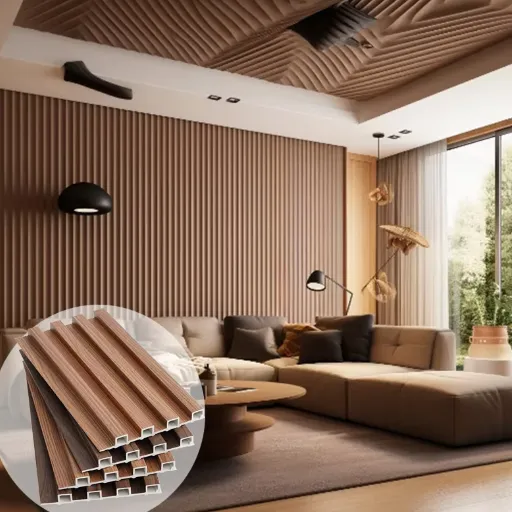
Pricing does not exist in a vacuum. Local labor costs, import duties, and demand levels all affect what you actually pay. The table below shows typical wpc wall panel cost ranges by region for bulk material only.
| Region | Standard Interior (USD/m²) | Exterior Grade (USD/m²) | Key Notes |
|---|---|---|---|
| North America | 15–15–40 | 35–35–60 | Add tariffs; installed totals reach 50–50–100+/m² |
| Europe | EUR 14–$45 | EUR 30–$55 | CE/REACH is often mandatory; fire codes vary by country |
| Middle East | 14–14–35 | 25–25–50 | High volume for exterior cladding; bulk imports are common |
| Southeast Asia | 10–10–25 | 18–18–40 | Proximity to China keeps freight low |
| Australia | AUD 25–$55 | AUD 45–$75 | Higher shipping costs; strong sustainability demand |
For buyers researching wpc wall panel price USA trends specifically, remember that tariffs and state-level taxes can add 10–25% to your landed cost. Always confirm current rates with a customs broker before finalizing your budget.
Conclusion
WPC wall panel price is not a mystery. It is a formula made up of material grade, surface technology, order volume, and logistics. Factory-direct buyers can secure quality panels for 8–8–25/m². Retail buyers with installation included should budget 50–50–100+/m². The difference between those numbers is where your savings live.
Before you sign any quote, do three things. First, verify that you are comparing identical specifications — thickness, density, and surface treatment. Second, calculate your true landed cost, including freight, duties, and accessories. Third, request samples and certification documents before you commit to bulk production. Those three steps will protect you from the markup traps and quality shortcuts that cost buyers thousands every year.
At Linyi Yuheng International Trading Co., Ltd., we believe pricing should be transparent. No hidden fees. No inflated middleman margins. Just reliable products at fair factory-direct rates. Still deciding between materials? Explore how WPC compares to PVC and solid wood to find the right fit for your budget.
Frequently Asked Questions
What is the average price of WPC wall panels?
The average price of WPC wall panels per sq/ft for standard indoor panels is between $15–$30 at the distributor level. The direct-from-factory cost in China starts at around $8–$15/m². Installed retail prices, which include both the labor fees, will mostly be seen as above $50–$100+/m².
Why do WPC panel prices vary so much between suppliers?
Price variation is related to differences in quality of raw materials, panel construction, surface technology, certifications, and the scale of the order. For instance, a simple, hollow core panel of basic finish will cost much less than a solid, co-extruded panel with fire certification. So go through product specifications, not just the headline price.
Are WPC panels more expensive than PVC?
Yes, WPC panels cost roughly 30–50% more upfront than basic PVC. However, WPC lasts 15–25 years compared to 10–15 years for PVC in many applications. Factor in lower maintenance and fewer replacements, and WPC often becomes the cheaper option over a 10-year ownership window. See our complete WPC vs PVC cost comparison for project-specific guidance.
Can I install WPC wall panels myself to save money?
Not all interior WPC systems are DIY easy to apply, either with adhesive or clip-fixing systems. But any skilled homeowner can mount a basic accent wall over a weekend. However, larger exterior facades or commercial projects should be left to professionals. So if you do it DIY, budget it for proper tools, accessories, and an allowance of wastage, which is 10–15%.
How much does WPC wall panel installation cost?
Standard installation cost of WPC wall panel usually ranges from $3-$30/sqm for labor and $1-$5/sqm for different accessories such as clips, trims, and adhesives. In DIY installation, labor cost is omitted. However, one must have basic tools as well as a 10–15% wastage buffer. More intricate projects involving irregular walls or larger areas, such as exterior facades, tend toward the high side.
How long do WPC wall panels last?
15 to 25 years is the time taken by quality WPC panels indoors, being about 10 to 20 years outdoors. UV-resistant cap layers in most instances, have a warranty period that typically lasts from 10 to 25 years against any fading, staining, or other defects. Generally, just washing with soap and water will suffice.
Categories:
Blog
Related Articles