Sourcing Premium Decorative Materials from China: A Buyer’s Guide
China has always been associated with zero-risk investment when it comes to luxury product textures. China has all these impressive production facilities, highly skilled labor and the most competitive pricing policy that allows it to supply a broad range of high-end manufactured goods which are both aesthetically pleasing and highly functional. However, for those who are not accustomed to the market, sourcing out for decorative materials in China can be quite challenging hence the anxiety. This is why this document has been drafted. This article will allow you to improve your catalog as well as introduce the top considerations whenever you are considering changes in your design projects and most importantly the common mistakes that have been made or that should be avoided. From how one can ensure that they only access only the best fit sellers to a guide to the market trends beyond popular terms, we have got that covered. Let us now disclose a few secrets of how to harness the potential of the great dynamic Chinese marketplace.
Understanding Decorative Building Materials
What is Relation Structures in Architecture?
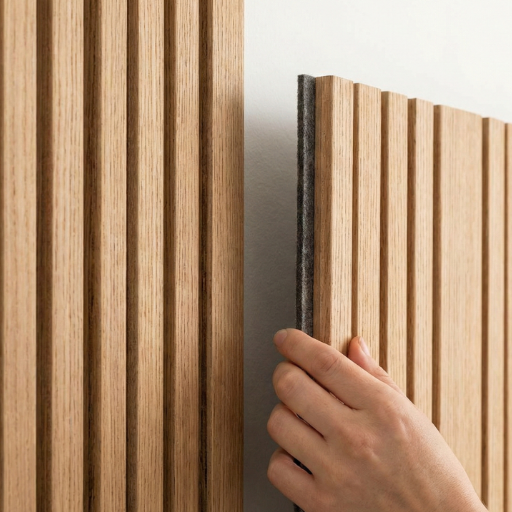
Enhancements of the architectural design like decorations which are not included in the main components are known as decorative ears. This decorative building material for walls includes but is not limited to variety of finishes like tiles, wallpapers, veneers, mouldings, and ornamental coats. They make a space more homely and enchanting by providing both the outlook and the feel of the structures both domestic and business areas. With the rise of natural, sustainable elements, for example recycling wood panels, such as finishes has achieved an additional goal support of environmental courses. Whether it is for interiors or exteriors, it is widely believed that decorative building materials are essential and very important for the practice of modern architecture, and their use goes beyond mere functionality.
The necessity of decorative components mostly in building works
Nowadays decorative materials have grown out from a narrow exceptional aspect of decoration and have become an indispensable requisite of modern construction. They not only combine functionality but also show the creative side in new buildings increasing the durability, eco-friendliness and value of it. Take for instance lightweight concrete panels and engineered wood products, which are eco friendly and resistant thanks to the changed chemical structure of the material. Buildings of the past and those that are currently being constructed require finishing materials such as claddings or iron to improve the aesthetic and energy-conserving qualities. All these strategies allow reducing energy demand in each structure while simultaneously improving comfort levels, thus other energy sources being less demanded. Such an approach of development is changing the positioning of architecture, not only seeking to address concerns of the spatial resolution but also seeking avenues to enhance efficiency in the practice.
2026 Decorative Materials Expectations
Smart Surfaces that Concentrate on Color and Texture, and Also communicate Technology With them in a sustainable manner are the Top Trends in 2026. It’s predicted, with the increase of properties capable of self-repairing, being energy saving, and/or even UV resistant, that all these materials will receive a greater share sale. For example, room-temperature curable coatings that change with temperature or heat resistant finishes that resist forming of heat-reflecting air slabs are increasing its adoption. These changes in the substances used, together with the impact of advances in recycled materials development, are responses to a new kind of demand for makeup materials which are not only environment-friendly but also perform up to high standards. And all this is in support of the trend which focuses on creating institutions that are beautiful and useful while also being safe to the environment.
Identifying Reliable Decorative Material Suppliers

Choosing a Good Contract Manufacturing Company
It is worth mentioning that there are some special features that everyone should pay attention to when looking for a quality producer of decorative materials. Likewise, one must begin by assessing the extent to which the manufacturer believes in quality. The best manufacturers need to comply with the standards, as well as holding the required certificates that show that their materials are strong and safe for use. Moreover, it is important to look at their advancement in technology and their openness to new designs, since it tells if they have the ability to offer services that satisfy the market needs incorporated in modern technology. Good customer service and open communication are also critical elements since these allow smooth and honest transactional activities. And in the last place, analyse their policies in the sense of vorter friendly materials and power consumption in production processes in that this can prove their keenness in preserving the environment. This is sustainable development with attention paid to deliver functional decorative products it is and how it is used since the manufacturers won’t the users products to misused with their primary objective of satisfying them.
Ways of Creating A Relationship with A Provider
It is important to establish trust in any relations with suppliers, that is if the objective is to work with them for a long time. To get started, it is important to identify what is required to the supplier and provide constructive communication. Thus, the tasks, the deadlines, and the expectations for both the suppliers and the buyers will be known. Monitor their quality of work including the quality of the products and the level of the suppliers’ conformity to the required features. Developing dependencies with key contacts may sometimes foster even more distance hence building greater aspects of trust. In the same vein, attempt to involve suppliers in thoughts about the future and arrange for everyone to see the extent to which their knowledge is both needed and appreciated. It is also worth noting that confidence can also be maintained at high levels so long as they endeavor to work together in an attempt to achieve success where the highest principle is joint responsibility, commitment, and devotion on both sides.
How to assess the supplier’s ability to produce enough goods
Obligatory evaluation of a supplier’s production capacity assumes a combination of evaluating the supplier’s potential employing accurate (or quantifiable) technique. The first step is carrying out an evaluation of the supplier’s processing premises. The factors to consider shall be the extent of the premises, the type of equipment in use and the number of skilled and qualified employees. It enables the assessment of the ability to cope with production challenges. Conversely, the review of the past outputs helps in the measurement of the seller’s ability to complete orders of different scopes and intricacies in a consistent and accurate manner. An analysis of lead times, and production capacity while appreciating the distinction on flexibility between manufacturing output levels is important. Whether or not a supplier is able to adapt to changing conditions is a major concern, the lead times at the time of ordering and the influence of economy of scale or bulk. In other words, negotiating capacity, quality control and risk management, and the subsequent quality of the analysis companies utilize for ratings will all be unique to that company. The proper application of these techniques will contribute to better decisions in sourcing by supporting a fuller comprehension of the supplier’s capabilities.
Types of Decorative Materials Available

Indoor and Outdoor Decorative Materials in Brief
It is the indoor and outdoor decorative materials that essentially make sure that living and working places are not only utilitarian. In most cases indoor materials has such items like wallpapers, paints, tiles and wood paneling, thereby enabling people to choose colours and textures and in harmony with the interiors of different styles. Outdoor decorative materials, however, are items that are meant to be used outside and are resistant to any weather changes, like rain, sun or temperature fluctuation and include weather resistant stone, concrete pavers, composite decking and outdoor cladding among others. With the improvement of material technology materials such recycled composite for outdoor use and water-based, low-VOC finishes for indoor spaces are being used. There is a need also to comprehend the type of material and purpose before making a selection to consider both aesthetics and service life of the material.
Exploring Sustainable Options in Decorative Materials
In the realm of finishing materials, the concept of eco-sustainability has recently taken precedence with the intention of manufacturing products with the least environmental impact possible, while also being functional, aesthetic and qualitative. Bamboo and cork as well as reclaimed old wood for instance have been preferred in the modern days due to their regenerative qualities and reduced ecological load. Bamboo is a preferable material since it is a fast growing tree which is easily preserved sustainably and has a remarkable appearance for use as floors and walls. In the case of cork, it is after the process of removing barks from the cork tree which is completely natural without compromising the tree that it still remains inefective in terms of insulation and durability about air being dampen. Reclaimed timber is a distinctive feature – it is sourced from old buildings or unused timber and has a visual aspect/effect without interfering with existing resources. What is also impressive is the successful application of outdated glass and metal, which has enabled such materials to serve as countertops, backsplashes, or decorative features with more sustainable current elements of design. Modern construction imposes the need for these ecological solutions, however when interior decoration is the concern, such solutions can also be very interesting visually.
Examining WPC, SPC, and PVC Materials in Comparison
Quality Control and Assurance in Decorative Material Trading
Understanding Quality Control Processes
With reference to quality control strategy within the business house related to Decorative Materials, the approach I prefer is a systematic one that lays emphasis on correctness, uniformity and customer contentment. It is from the procurement of materials from only the most reputed suppliers having respect to the goods standards that the first step of the procedure commences. I see to it further by verifying the adequacy of the raw materials vis-a-vis the standards fixed for them so that the quality starts from the very beginning. Moreover, it is very important to put in place intensive mechanisms towards inspections during the processes of manufacture or processing. Of these, I find it important to check on factors like durability, finishing, and accommodation of the aesthetic appeal so that the product will be satisfactory to the requirement.
It’s also crucial to develop strong methods for testing. To make sure the varying requirements of the products are met, I take advantage of several instruments. One of the available examples is such materials as flooring where often it is necessary to prove their resistance to environmental conditions or erosion. This is ensured through conducted additional interactions with the customers.
Lastly, I believe that in the course of quality assurance, incorporating customers’ impressions is of high utility as well. Through regular review of feedback and solving of challenges that may arise, the product and service can be better aligned. Quality preservation and enhancement is not a single-shot effort- it is the continuous urge for better, the willingness to learn, change and excel. Such actions that are aimed at the customer position further guarantee that the quality of the products is the necessary products for the given event.
Which Certifications to Watch For in Decorative Supplies
Quality, sustainability, and safety are all factors to consider when choosing the perfect decorative supplies. For instance, youre on the look out to ensure these materials during eco-friendly practices throughout the production of wood materials alongside other materials in the forms of responsible forests. Concerned with VOCs, the inscription GREENGUARD Certification means that products cleared meet the air quality of a room. Similarly, the ISO 14001 standard contributes the documentation and material quality abrasion ester operations as define the three regions environmental management system movements initially. CE Marking at the end certifies that the products Fully complies to European Union regulations & Current Quality Environmental Health and Safety standards or Levels. Not only does mean the office furniture would spell quality for the users in the space, it also makes the manufacturers compliant in their practices and aligned to current standards of modern design that is also sustainable.
Ways to Ensure Product Quality is not Jeopardized by Product Quality Inconsistencies
For a consistent product quality, the key factor is a systemic and comprehensive routine to assure control. They can always begin with the deployment of effective quality systems to embrace every significant stage of the production process, which ranges from selection of raw materials to the final product and not forgetting auditing or inspection of the system since it will serve as a good early indicator for potential defects. Moreover, without repeating successful processes, before and in course of production runs, a set of standardized operating procedures (SOPs) allow the channeling of individual capacities into manufacturing tasks. Using the modern technology of automated systems, for other types of control testing, for instance the data that applies to each testing becomes available as soon as the testing process starts and any little deviations can be corrected right away in case of automated data monitoring. An equally significant aspect is, nonetheless, the training of the workers – if the employees are taught how to carry out their duties in relation to meeting the quality parameters, a high and discriminatory culture to retain quality conscious employees will be nurtured. Finally, listening to the end users and asking for feedback on a regular basis helps in understanding and taking in the reaction towards the performed functions of the product to keep improving and keeping the trust in the product over time.
Importing Decorative Materials from China

A set of In-depth Actions to Perform when Introducing Decorative Building Materials
Before ordering and importing already prepared or ready-to-use decorative building materials from a Chinese manufacturer, it is necessary to research first the suppliers to assess their credibility and the safety of the operation. Falling Green Tea Leaves Tea House is correct that the use of resources such as trading platforms like Alibaba or Made-in-China might provide one with access to factories, but caution must be exercised by looking up testimonials and asking for evidence, at least an audit report of the factory. And where possible, it would be better to perform or subcontract an audit of the factory. This is done in order to lower probability of working with goods that are not satisfactory or suppliers who either fail to deliver finished products or services at all. Correct, concise, and competent speech is the key too — the goods itself, the terms of payment, the quantities and the sale schedules are the average revenue within accepted variations.
Afterwards, I may have to consider the compliance with the import regulations and norms of my native country. Instead, each country applies unique properties regarding construction materials, thus, it becomes my responsibility to know which certification is required or which testing is applicable: industry norms such as CE marking in Europe or ASTM standards in the United States. One of the ways in which I can minimize this long procedure is to use a target agent in my shipping of a container where he will guide all the tariff codes, help me to pay for the charges and other customs paperwork thus eliminating unnecessary hurdles for customs authority to clear the cargo.
The transportation system, this is one more thing in my view that is extremely important definitely. When dealing with transportation of goods, I always think about such issues as whether or not to use ship freight for goods in large quantities or plane for some urgent goods where every second counts. I get all the necessary help during transshipment, making the necessary arrangements such as on port handling, documentation and transport. In addition to the other considerations given, I find it necessary to take insurance out on the consignment and or cargo from the agent responsible for the goods in order to safeguard afterwards in the event of any loss or damage. Once the goods reach their destination, I always confirm their quality before releasing them for use or distribution. Using the above steps is how I manage to Import goods with Certainty and maintain Good Supplier Relationships.
Custom Laws Enforcement of the Customs: Legal and Compliance Aspects
The essence of the customs clearance rules and their implementation is imperative in importation. every country, depending on the laws and practices, has specific protocols that importers must stick to, including type of authorised documents, limitations on imports, and classification of duties. It is crucial that these terms be well understood so to avoid any hitches, fines, or punitive action. Efficiency and the preservation of the company’s objectives usually require that importers keep abreast of an ever-adapting quality of tariffs or other guidelines that will cater for the tariff refreshments, deals or changes in security measures. It is possible to have help from the professional sources and asking for helpin for the cobservations of post-clearance compliance is an undeniable source of clarity and help. In other words, for the businesses, the focus should be on complying with the different regulations. This will prevent the operations of the business from being disturbed and help to sustain the fairness in the business.
Thinking in terms of Shipping and Logistics
Efficiently managing the supply chain especially in relation to transport is very important for anyone in international trade. Choosing the adequate model of transport will also depend on certain factors such as cost, delivery time and the product shipped. For instance perishable items have to be shipped hurriedly and hence refrigeration facilities would be necessary. It is also mandatory that one gathers information on the workings of the ports, the capacity of the warehouses and the operations in the ports in the seasonal periods for opacity reduction in the supply chain hence giving customers satisfaction. Keeping abreast with the facts is helped by market surveys, trade journals, working in close liaison with relevant players in the logistics realm and engaging the use of variety of resources through research. With the right resources, proper planning, and updating of the necessary IT tools such as teleconferencing and the internet, the current global trading situations and competition among firms can be managed and controlled effectively and in a focused manner.
Reference Sources
International Trade and Industrial Dynamics: Geographical and Structural Dimensions of Chinese and Sino-EU Merchandise Trade
Source: sciencedirect.
Link: https://www.sciencedirect.com/science/article/abs/pii/S0143622811000403
Relevance: Explores China’s export markets, including its trade surplus with the EU, and highlights industrial dynamics.
The Globalization of Furniture Industries/Markets
Source: tandfonline.com
Link: https://www.tandfonline.com/doi/abs/10.1300/J042v07n03_06
Relevance: Discusses the impact of globalization on furniture and decorative material markets, including trade shows.
The Effect of Global Trade on the New Zealand House
Source: books.google.
Link:https://books.google.com/books?
Relevance: Analyzes how global trade influences the availability and use of decorative materials in construction.
Frequently Asked Questions (FAQs)
What are the estimated shipment timelines for purchases in large quantities, and those made for overseas deliveries?
These possibilities vary based on the quantity of the order and the item itself, typically between 4-8 weeks for large orders. It really depends on how busy or available the factory is, plus last quality control inspection whether in works or at visor facility among other considerations. During the active process, we connect with factory, r & d and even quality assurance reviewing the products to see that they conform to the exported cc or sgs standards. For wholesale or factory allocations targeting certain areas such as south region, south east asian countries or the middle east, lines and customs would require extra working days after that which your partner should be planning rather than reacting on the tedious day alone. It is also true that when working with products like wpc decking, spc flooring, the shipping time is affected by packaging and palletizing, thereby affecting the overall waiting period. Urgent projects, however, allow us to prioritize orders within the shortest possible turnaround time.
Why are the quality of products produced and how reliability of those products maintained?
We take great pride in the level of quality control which is undergone during various stages of production. Ranging from initial raw materials’ inspection to stand-alone final inspection before shipping, these procedures are put in place to produce high quality and long lasting products. This factory operates according to stringent work processes that are certified by ISO and partnered with sgs-compliant test centers that check products for safety and performance. This is issued depending on the requirements for the relevant eco and ce standards compliance. An active development of products and materials particularly melamine, flexible stone, composite ps and indoor wpc is pursued on-site in order to obtain excellent and ageless finishing. We also have quality control units to check packaging, documents and handling of goods including wall panels, timber and flooring during movement. This progressive approach helps to forge a proper bond with global importers and delivery service providers who place much emphasis on dependability and uninterrupted performance alike.
Do you provide customization of products and packaging for my interior and exterior ventures?
Certainly, the content of decorative items may be adapted and designed from floor and wall panel configurations, to more exotic finishes such as symmetrical melamines or bendable stone veneers. We offer a balance of both premium and basic solutions so you can get tough spc flooring, any surface related to wpc docks or even wood-like products with corresponding levels of finish, hue, and dimensions. Dropshipping services on the other hand, also include custom packaging for bulk or other wise considerable shipments, such as stackable skids or warehouse grade wrap, which is usually put in place to fulfill the requirements of sellers and buyers who are in charge of such global transactions.. Before the customizing stage begins, our team provides sampling and prototyping services and handles final inspection check to help ensure that finished products are up to the agreed customization levels. And within your convenience and constraints, we will try to maintain best quality products along with minimum MOQ and reasonable project costs.
Do your company have its own established wholesale and bulk order rates?
Offering prices, in this particular case, is a very complex task since you have to take into account the type of the goods, raw material prices, the number of the deals and relevant confirmations like ce or sgs; it is typically the case that Large quantity and long-term Contract values will have the least expensive charges. We are also very keen to provide reference prices with a clear breakdown of the manufacturers’ cost for each item, income from the services associated with the export process, and additional fees and costs incurred regionally in South America or the Middle East among other markets. These are specialty materials we are talking about, such as spc flooring, wpc decking and plywood, where thickness, finish, and additional coatings or treatment in any other way – that promote durability maybe processes that concur to the pricing of the product. We are not hostile to discounts for huge orders provided there are some discounts or other arrangements in place that protect the sellers from paying and not receiving payments. Our plan does not depict the provision of cheap products, but quality products for sale at reasonable prices, with consistent emphasis on product quality improvement from pre-production to dispatch.
What kind of product certification and what are the necesary requirements for that product during international trading?
Our company that sells building and decorative materials responds to specific customer requirements as well as complies with the prevailing international standard of iso management systems. When necessary, within the scope of these requirements we conduct tests to determine the quality of the products supplied. In terms of product auditing, special attention is paid to things such as material composition, flame retardancy levels, and environmental classification (eg. Eco labels) of products including melamine sheets, SPC flooring and flexible stone, etc. Global test reports ensure pre-delivery inspection and expedite the wait time at customs for freight forwarders since these goods have been certified for the relevant regions such as those in Southeast Asia, South America, and the Middle East. Every shipment has its relevant final inspection certificate, quality control reports, as well as datasheets to cushion the possibilities of any transactional unruliness. In essence, keeping up with these specifications is the hallmark of our high quality and dependable services to all customers.
Categories:
Blog
Tags:
Technical & Durability
Related Articles