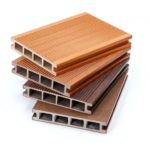
How to Cut and Shape WPC Slat Panels Without Damage
When there’s a job to be done employing WPC (Wood Plastic Composite) slotted panels, it’s important to adhere to accuracy and neatness to get outstanding results. Regardless of if you are a professional constructor or a do it yourself person that is handy with tools, on how to cut and form these panels properly is what will set you up to succeed in a project, and also to achieve a damage-free end result. This will guide you to countless proven and conventional methods by which WPC panels were used and to a total of two general different performances – ones with regard to the appearance of the material and others which respect structural limitations. You will be able to know the kind of expert this article caters to and appropriate levels of competence that is expected with this skill.
Understanding WPC Slat Wall Panels
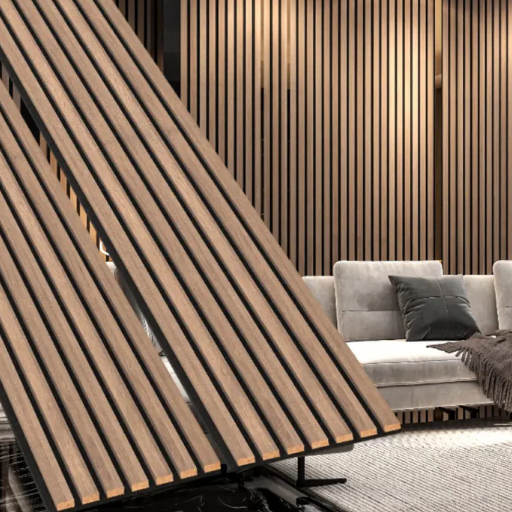
What a WPC Slat Wall Panel really Is
WPC slat wall panels easily mean Wood Polymer Composites constructed using a mixture of wood or cellulose fiber and thermoplastic resins. This resultant material has varied application ranging from residential to commercial that is long-lasting, light in weight and has a low retainance. Due to their contemporary styles and visual interest, the wall panels have been designed to incorporate some levels of creativity in interior design. Furthermore, WPCs slat walls panels have ease in cleaning, do not get attacked by wood destroying organisms and also it is moisture resistant. WPC slatted wall panels tends to have a simplistic installation system and a rational environmental element as well which is why they are largely appreciated in designing the different facets.
Benefits of incorporating Wood Plastic Composite Materials (WPC) in Your Home
In my opinion and experience, one of the leading advantages to exploring the use of Wood Plastic Composite (WPC) in do-it-yourself is its resilience to use or damage. WPC has great resistance to wear and tear, moisture, and there is no risk of ecological harm. This means any object or structure for which it is used is likely to last longer than even the conventional ones. It alludes that once it has been used improvement is not needed also said it’s an easy clean material thus there is no need for special maintenance. In fact, it is quite a useful material in all parts of the house, due to its water- and threat- entering stringent qualities. Its biological barriers to wood channeled wood pests also adds to its application versatility and durability.
One more cause of my attachment to WPC in construction is the fact that it is very comfortable to use. WPC is a piece of cake to cut, drill, fasten and assemble, unlike mills, due to the uniform nature of the materials used for it. It is far less cumbersome than solid timber and often comes as already cut sections, enabling faster installation. Additionally, WPC is a type of cheaper composite, often made of recyclate, which saves trees and enables the environment to be wooded by woodworkers among other realizes their dream.
One more thing, WPC is the ultimate material when it comes to achieving a flawless and contemporary look that requires the least work. Because it is available in numerous finishes, colors, and patterns that can fit in just about any space be it indoors or outdoors. If you want to go the route of timber, WPC lets you do so; if it is a more modern outlook that you are aiming for, WPC still allows you this possibility regarding design. These characteristics make it the best candidate for people who hope to enhance their surroundings with responsible thinking and out of the box ideas.
Usual ways in which slat wall panels would be applied.
It’s almost indescribable how useful slat walls have become. Their utilization is innumerable across all possible settings. All slat wall panels have been used extensively in respect to retail markets for the intuitive display of the goods on sale, such that it is possible to have additional display shelves fixed on the walls in order to make use of the empty vertical space. In addition, slat wall panels are also preferred in residential settings for creating wall storage in garages, closets or even home offices. Likewise, these panels are widely applied in commercial interiors such as offices and showrooms for example, where the application of form and function is done in a professional manner. They can be remade in any work around them to serve both artistic and functional purposes.
Preparing to Cut and Shape WPC Slat Panels

Tools Required for Cutting WPC Panels
They say that each profession has its own necessary tools and the statement is true as its correlates with WPC (Wooden Plastic Composite) slat panels, too. These tools are used for completing a successful task that is perfect and clean. Some of the commonly used tools includes:
- Measuring Tape and Pencil – This is mainly used for obtaining the correct measurements and plotting them before one can cut.
- Circular Saw with Fine-Tooth Blade – This is for making fine cuts in a straight line to avoid the edges of the cut which is not still straight.
- Jigsaw – This the favorite for cutting all those curvy cuts as it offers more control in the finer work.
- Clamps – Clamps could be very important especially in holding the board in place so as to make precision cuts on is.
- Sandpaper or File – Until recently, it was a common thing to worry about the fine edges of the cuts made and unbend the wood with the help a marauder.
- Safety Gear – This consists of glasses, gloves and a nose that protect one from flying debris and the dust that is why I restrict the dust that is all over.
With the right techniques, those tools will actually help in accomplishing the task easily and in the end the results can be of high level. It is important to adhere to the instructions provided by the manufacturer for each of the tools in order to have a safe and effective operation.
Safety Precautions When Working with WPC
When you venture into the working world of Wood Plastic Composite (WPC), there is a clear need to ensure safety procedures are adhered to in order to forestall accidents and facilitate a smooth workflow. It is imperative to put on attires that observe safety standards. Safety glasses, gloves, and a dust respirator shall do. Safety goggles protect the eyes from flying particles, the gloves from sharp or rough edges or even splinters, and the dust mask is for keeping off fine dusts generated by sanding or cutting from being inhaled third: Do your jobs in a well-ventilated room so that the dust or fumes which are harmful in the long run do not accumulate. Also ensure that all tools are in proper working condition and follow the instructions provided by the manufacturer while using them so as to avoid failure. When cutting or drilling, clamp the WPC firmly in place so that there are no jerky movements which can lead to an accident. Encourage cleanliness in your working area by clearing clutters as often as possible since such mess may lead to slips and falls as well as interference with proper usage of some of the tools. In the above given safety measures, efficient handling of WPC becomes possible.
Measuring and Signifying Your Panels
To reach a highly precise mark when working with WPC panels, there is a need to have correct measurements and proper marking. Begin by using a quality measuring tape and ruler to ascertain the length and breadth of the panel in question as per the requirements of your project. This is why it is crucial to double-check measurements particularly before cutting. A flat visible line may come in handy to help one in cutting or drilling the panel by using a pen or a marker of a sharp tip. The distances are often controlled with a carpenter square or a component in high angle that is a straight edge. Items in this step are done meticulously in order to ensure the ease of the assembly as well as the excellence of the output in the process.
Step-by-Step Guide to Cutting WPC Slat Panels
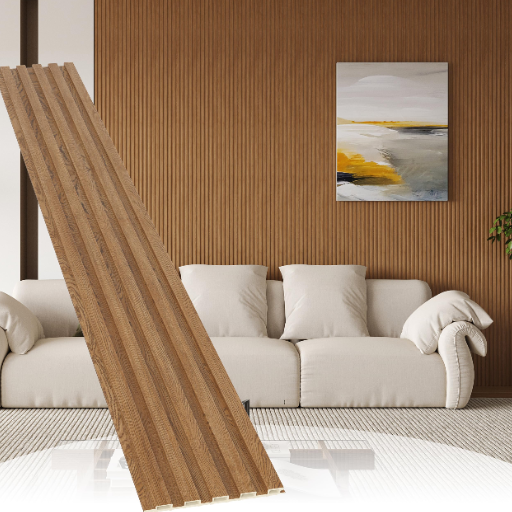
Choosing the Right Cutting Strategy
With a view to cutting WPC (Wood-Plastic Composite) slats, the choice of cutting method is critical as it directly affects the quality of the cut. One of the available tools is a fine circular saw with many teeth, making clean and precise cuts without causing chipping or splitting. For this reason, it may be better to use a more reach-friendly jigsaw with a cut-through blade laminate cutting blade if it is a matter of finer or more detailed work. Also, the cutting tools must be in top-notch condition so as not to result in sharp edges or uneven surfaces. Also, cutting the panels that are properly secured with clamps when not in crisis is optimal because they won’t upend. The correct selection of the appropriate technique it is suppose to maintain the anticipated accuracy commensurate with other operations while preserving working time followed by the equipment safety.
Step-by-Step Cutting Instructions
Properly Field Dress the Panel: The process starts by carefully measuring the panel so that I can exactly establish the cutting site. I draw on a tape measure and a pen or a crayon to ensure accurate guidelines are obtained. These readings cannot be too trusted lack of which any room for error can result to a waste. In doing more complicated tasks like may involve covering very … with cuts, a ruler, t-square or marching line will help in keeping the cuts straight.
Safety and Usage Best Practices: Next, I confirm a neat and well-decorated working area. The panel is placed on a perfectly suitable platform, probably a sawhorse or a work table, in order to minimize chances of falls. When clamping the panel for the purposes of proceeding with the cutting work, it is necessary to ensure that it is firmly held in one place. The use of requisite protective attire and a stable working place will help limit control and promote safety.
Operating the Most Suitable Form of Cutting Tool: Depending on the given consideration, I shall take up an appropriate chiseling item. For panels or materials that are of less thickness or is a type of plastic, for instance, acrylic, I will use a utility knife that has a sharp blade and demo the procedure to practitioners by making a number of cuts along the cutting line and then applying breakage pressure – it snaps neatly without any scathing. However, for tough or thick materials like wood or laminates, I can use equipment like a table saw, a band saw, or a manual saw as well, with the respective cutting blades.
Off the Mark – Cut in Straight Line: Preparations being over, the chisel is observed and made to cut through the line correctly although at a slow pace of cutting. Once again, as I cut along the straight edge, I push the instrument down like it is part of my body so as to cut correctly. Sunce i have already used up one example in power tools let me say, I cut into the material at a constant speed in order to avoid unnecessary vibrations.
Shape The Ends: On the other hand, I inspect the ends of the panel once cut. In case of any disturbing roughness or nearness, I carefully apply a sandpaper or I even make sure to work the file rather heavily to deliver the perfectly neat finish of the product. This process not only overcomes the shortcoming of the cut in terms of appearance but also serves to prove that safety means are fulfilled from the perspective of panel handling.
Tidy Up: I then go ahead and clean up the surroundings removing any type of waste material, for instance, debris, dust or even excess pieces after cutting. Cleaning the work area not only refreshes it but also gets out the clutter as it is prepared for further activities within the work plan and somebody’s protection is still a concern. As a means to survive outside contacts, I follow these steps with caution to ensure that I can cut pieces accurately and effectively, without taking away the emphasis on safety. Such an organized way of thinking ensures me that I will produce exactly what is expected for an active project.
Damage Prevention Tips during Cutting
In order to prevent damage during cutting operations, I always make a point of using appropriate cutting tools along with the right techniques for the material to be cut. It is obligatory to choose the right blade, as it may differ depending on the material to be cut – wood, metal, plastic, and many others have specific blade types and tooth numbers. Improper or blunt blades are often the culprits of warped lines, chipping and even breakages of the respective material. Yet another consideration is that is always a must is caring for the cutting tools and preventing them from getting blunt, dull or even damaged as constant bringing blunt edges to work means increased pressure applied resulting to damages to the panels.
Moreover, effective handling of articles is certainly the most essential detail in this attempt to mitigate possible challenges during the cutting action. After Preparation I maneuver the cutting tool kuni’sI just I always secure the board to the table and yes, you guessed it, that’s always to reduce the shakes or any other movements that could result in bad or faulty cuts or simply ruin the material due to impulsive bending or vibration. There would also be the need for me to be exact in measurement of cut lines, even to the exclusion of mistakes. Use of any guides or other straight edges in appropriate places eliminates any possibility of deviation that maybe caused by wavering or the unevenness of hand movements.
Then, I keep an eye on the cutting rate and the force that is applied while cutting. Over speeding the process or applying minimal muscle to a tool that is supposed to be pressed with an equal force could cause an increase of temperature and pressure, both of which are not friends to sensitive materials more particularly plastics or very thin cuts. This hard work includes concentration and patience especially by not overworking muscle and letting the machine do the work instead because it enable the creation of an advanced excellence effect and decrease errors and mishaps. Using all these moves I am able to ensure the excellence of the work done as well as the object by reducing any chances of harm occurrence.
Shaping and Finishing Your WPC Slat Panels
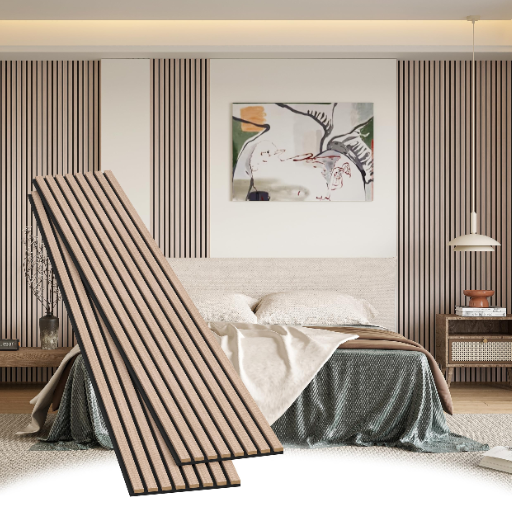
Techniques for Changing the Templates in WPC
While working with WPC (Wood Plastic Composite) panels, it is important to follow certain steps which take into consideration the unique wood fiber and plastic structure. At present, it has been found that using fine-toothed saws makes it possible to cut neatly and there are no chance of rough edges tearing the material. When it comes to the patterns or complex curves, a router equipped with carbide tip does not let them vibrate and therefore eliminates the possibility of breakage. The placement of center clamp sticks is essential to prevent stringer boards from causing any movement during your work. Furthermore, increasing the cutting speed too high while machining shall lead to working surface overheating as well as material surface degradation. Last but not least, put on protective goggles and gloves for enhanced safety while preventing the execution of the work. Such strategies facilitate the achievement of a neat and glossy finish, being among the few available on the market, with minimal impact on WPC border gaps.
Various Ways of Finalizing While Keeping Class Apart
A complete polished look for a WPC slat panels can be achieved with the application of a number of methods. Start from sanding the edges which will make them smoother so they do not stick out as well as create a fully operable effect. The finishing oil or clear coat helps to make the coating look more natural and protect it. In the most fashionable decoration, a matte or semi gloss paint ensures, giving a very sterile and fine surface. Most of the colors are pretty decent soothing effect on your walls or for your flooring, which are called neutral and earthy tones. The only way of getting an even look through the above features will be as a result of proper application of the finishes with equal measures. Embed these strategies and see astounding results that improve not just the beauty but longevity of the WPC slats.
Guidelines on Construction of WPC Soffits
The procedure for mounting WPC panel slats is not that complicated, but it results in a much more functional and attractive space. It starts with smoothing the wall with every necessary precaution, making sure it is dust, debris, and moisture free in preparation for the good adhesion of the board. It then gives after the surface preparation is done, border and the markers which lay a finger that aligning the edges will present them in a way that appears even to the eyes. Higher strength requirements are lengths without bending, it is recommended to use a line when applying the appropriate depth for the mark.
After that, for attaching the boards, apply adhesive to the back of each board in equal layer with the formation of the “Z”. After being positioned, press the board into the wall, do not remove it after a few seconds compeltly from it. To add grasping power, especially in the busy regions, then you are allowed to employ nails or screws to keep the cladding, most often there where the holes were made beforehand or cunningly at the end. Perform all sections with the installation process in regard to full sheets one after the other, adjoined by edges with chemicals for wet surface having no gaps. And lastly, please examine the photovoltaic installation to check if all modules are firmly placed and if everything aligns properly. In case that is not the case, one may utilize trimmings or moldings to hide any boundary lines or empty spaces and to also maintain uniformity. If one practices each of these again steps execution WPC slat walls can be made and won’t ever fail in any way, presenting high-end accessory walling without any qualms about the quality.
Design Ideas for Wood Slat Walls Using WPC Panels

Achieving distinctive interior spaces with the possibilities of Wall Cladding Slat of WPC
The use of decorative finishing WPC wall panels which include the slat features can be very rewarding in building a visual structure as slat wall allows such features as depth, character and aesthetic value. These materials, as one of the types of wood-plastic composites in use build up so many favorable characteristics that they have become preferable especially for modern interiors. Also, these are some wall fittings which demand low upkeep in addition to requiring the use of simple detergent because they are not self-cleaning. The use of neutral or natural colours can create a quiet and elegant atmosphere; bright colours and decorations, on the other hand, can create impressive accent that improves the overall design. That being said, the nature of these panels will not allow you to any patterns or textures; however, WPC panels do free you in some parts and offer you the ability to incorporate any pattern finding it fitting. Be it the conventional form of application in sitting room or even bedrooms in residential homes and offices, these feature walls may help in sound control other than being aesthetically pleasing that they turn out to be a useful infrequent yet attractive element.
Using Fluted Patterns in Your Projects
Being an artist and an interior designer, I consider using fluted design in any project very fast. My concept of fluted designs is centered on the facility they offer of enhancing texture and volume in any space. Fluted pieces have become a trend for the linear simplicity in the design, without ruining it with gaudiness, this is what many designers aim for. These designs can upgrade the same projects, for example, walls, furniture, and ceilings to provide a more realistic or three-dimensional feeling. Using such components as wood, MDF or metal for fluted elements I can customize the look and feel to seamlessly fit the designed space.
One more general profit of chosen patterns mentioned above is that they can be almost any shape and can function in almost any way selected. As a case in point, sags are designed in a manner which helps stifle noise which is preferred with the requirement of quiet in particular settings of work e.g. offices, home theaters or living rooms. Furthermore, they provide an excellent opportunity for people like me to deal with such situations like marred walls which would otherwise look inappropriate. For example, I can combine contrasting forms, their location and color to get a personalized architectural element according to my expectations. Lastly, I consider the need for sustainability, explore fluting designs using eco-friendly materials, mainly WPC (Wood Plastic Composite), or re-cycled wood where possible. This helps reduce the environmental concerns associated with my projects as well as ensuring their long-lasting durability. Contrary to popular beliefs that flute designs are just a current style of the design and eventually fade away, it is a feature that integrates aesthetics and functionality of any design with advanced features.
Spacing Considerations for an Authoritative Intellect Look
To fully achieve the balanced and cohesive look of a design, it’s necessary to pay sufficient attention to the spaces. The things like furniture, decorative features, or ceiling panels should not cling closely to each other yet have a good amount of space allowed which brings the beautiful design into a sense of tranquility rather than disarrangement. this is a place in the paragraph Dividing reasonable boundaries and places here in a copy witty spacing all eyes wateringfor effect or a purpose may be studied if the audience changes. To further develop such a creative vision, I need to use numbers and initiate changes in solving the problem while maintaining the main attractive energy of the designed object berittenh provocative Ikes (but limited to some extent). This perfect harmony creates a delightful design experience.
Reference Sources
- Structural Design of Hollow Extruded WPC Sheet Piling
Source: digitalcommons.library
Link: https://digitalcommons.library.umaine.edu/etd/117/
Relevance: Explores the structural design and material utilization of WPC profiles, offering insights into their applications. - Structural Design and Performance of Composite Wall-Foundation Connector Elements
Source: rex.libraries.wsu.edu
Link: https://rex.libraries.wsu.edu/esploro/outputs/graduate/
Relevance: Examines the use of WPC components in structural applications, including wall-to-foundation connections. - Moisture Dynamics of WPC and the Impact on Fungal Testing
Source: sciencedirect.
Link: https://www.sciencedirect.com/science/article/abs/pii/S0964830509001838
Relevance: Investigates the moisture behavior of WPC materials and its implications for durability and maintenance.
Frequently Asked Questions (FAQs)
Can you provide some advice on how the plinth walls can be surfaced using panels with ledges when it is already done?
Check whether the wall at the back is clean, dry, and has no loose paint or wallpapers. It is all very necessary to ensure that the wall is smooth and has no irregularities. Order and get the correct size of panels and trim by measuring them twice to know wall height and total area. If the surface of the wall is not well aligned before the boards can be fitted, then you can create a level with a straight line or the help of very thin battens which makes paneling convenient and helps in seeing the straight lines. If the panel material is prone to weather damage or the location is moist the moisture content and temperature should be constrained to prevent the wood from distorting, particularly when working with plastic wood or natural wood paneling. As the final step, take out the visible skirting of walls where the slat wall shall be placed and make sure that the paneling also connects with the other trims on the wall which allows a well-coordinated ending of the project.
What is the most effective way to make sure the adhesive gets on the back of the panel while applying that adhesive?
To ensure a wall panel made of WPC is held on the wall with no issues, WPC adhesive should be used. And, instead of being spread all over the floor, it should be coated on the back of the panel, particularly on the edges and the sides so that there are no openings and the panels are properly bonded. Place the panel onto a leveled line or use batten bar and provide assistance until the adhesive dries out for a smooth mounting. To provide additional resistance, mount the panels with screws in the elements or use the recommended fasteners in the case where panels need extra structural attachment. Observe all the adhesive manufacturer’’ s recommendations on time of curing, as well as cleared the checking and excess adhesive before it gets dry to ensure nice looks.
How do you install wpc panels in such a way that the applied on wall looks as good as expected?
It is advisable to install any panel such that the one edge lines up with the originally-drawn straight line. Use a level to make sure it is oriented towards gravity—horizontally in case it is a side wall and vertically in case it is an end wall. For those with tongue and groove, use the tongue to engage the groove and then lightly tap the next panel with a rubber mallet to align it so that the seam is not wide sticking all tight. In case the edges of two panels coincide, slide the parts and make sure the joints or events are smooth and there are no gaps in the corners, and if there is, fill it. When certain measurements have to be taken for the placement of the panels such as angles, such tools will be helpful alongside the adaptation of the use of the stencil to identify the measurements fast before the work of installation can continue. It is recommended to use gasketing or felt padding behind the panels to smoothen any minor defects of the wall and enhance the appearance of the wall.
Can I create an accent wall using a coowin decorative wall ?
This answer is sure and certain: for example, decorative panels are fantastic to use as carlesto wall because they give it a contemporary feel with the warmth and appeal of the natural wood and characteristics of the composite properties. When used either in vertical or horizontal orientation, panels break down to create sharp lines and recessed areas in the wall. It works because the reference line is easily visible when the panel is flipped and installed horizontally. Select your colours accordingly, for example, the options provided are oak, American black walnut, or traditional white oak, whichever suits your presentable interior or exterior structures, and if desired inside it’s a good practice to include similar moulding and skirting. These panels are extremely strong once they have been made of WPC however the installation process is really simple. They can be glued to almost any wall surface or substrate by using the right glue and surface preparation prior to that. When fixing a surface, use a jigsaw if necessary to place cuts around slits and use the instruction manual to create an even larger and more difficult shape without mistakes.
What tools am I going to use to attach the wood slat wall panels?
The most effective way to obtain straight-edged cuts along the sides of the walls and objects is to a miter saw; it is also famous for providing precision during trimming. Another very useful tool is the jigsaw, as it allows cutting outlets and the specific shapes of the fixtures present in the vicinity of the wall. Make sure to bring along an edger and a spirit level in order to section a straight line when making long and correct cuts and perform a more precise and perfect cut always double checking the measurements before cutting. When installing the wood try to use some taper or matching fillers for finishing corners and edges of the panels or where they join each other in addition to the panels’ sides at the bottom or where the baseboard is installed. You may require rough paper and a timber clear gloss, e.g. if you are doing some custom cut-out on a panel consisting of actual timber or its useful layers. You will be cutting relatively thin boards, which are usually more difficult to work with, and the blade itself can be quite dull and therefore dangerous, so do not forget to wear safety glasses. Clamp the material down when cutting to avoid breakage or slippage.
Categories:
Blog
Tags:
Installation & DIY
Related Articles