Is WPC Eco-Friendly? The Impact of Recycled Materials in Manufacturing
While it is true that wood-plastic composite (WPC) has succeeded in gaining popularity due to the characteristics of being multipurpose, long-lasting, and easy to care for, one primary concern that arises is its environmental friendliness. So, with green issues assuming global proportions, the consideration of whether WPC is an acceptable choice has never been more urgent. This article will focus on the importance of recycled content in wpc production to show how it can help to solve the environmental problems and present a greener production. Can it be said that wpc is environmentally sound and also explores where it fits in the wider context of sustainable construction materials?
Understanding WPC: A Sustainable Innovation
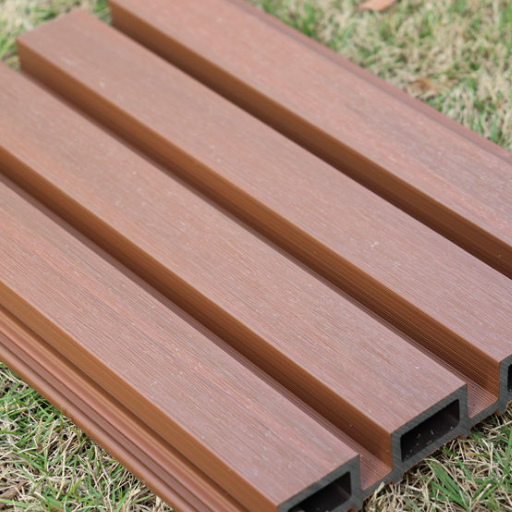
Brief Explanation of Wood Plastic Composite (WPC) Components and their Functions.
Wood Plastic Composite (WPC) is a kind of composite material, which consists of wood dust or wood flour and thermoplastic such as polypropylene, polyethylene, and PVC. The invention of the composite has struck a good balance between the characteristics of the two components, ie. it incorporates the attraction of the wood and the utility of the plastic. WPC is mainly used for different applications including garden fencing to some extent due to high resistance to moisture, insects, and rotting. Some producers go as far as using recycled wood and plastic to make WPC, in the spirit of a green economy and the minimization of landfill. Made in such a way, WPC does not end up in the dumps and is extremely friendly towards the environment both because of the types of outputs as well as the degree of output. It does not come as a surprise, therefore, that this kind of product has been employed as a modern and helpful remedy in the line of building and decoration.
The Importance of Recycled Materials in the Making of WPC
The growth of wood-plastic composite (WPC) industry, has been supported by the use of various recycled materials, such move has helped in protecting the environment and efficiently utilizing the resources. The two main materials, recycled plastic waste and wood waste, which is a post-industrial level raw material, come into play reducing the number of plastic materials that are virgin. This method enables the removal of large portions of waste from the trash and mitigates the adverse effects of creating new structures. There has also been a significant growth in the development of recycling methods. This is because advancement in recycling technology changes the properties of feed materials available for WPC preparation, avoiding any shortfalls in the expected WPC properties due to the variability of the materials. The use of recycled materials also adheres to the objective of promoting a circular economy which is a global concern and attracts environmentally responsible consumers and sectors committed to sustainable practices.
Advantages of Using Wood-Plastic-Composite (WPC) in Outdoor Application
Wood-plastic composites (WPC) quickly became one of the popular materials used in outdoor applications because of its exceptional physical characteristics, low levels of maintenance and most importantly, being an eco-friendly material when all facts considered. The WPC unlike the natural wood are less affected by moisture, rot as well as insect damage, Suitable for decking, fences, and interior cladding among others exterior finishing that will be exposed to the outdoor elements. Its stain and seal, which shouldn’t impedes its therefore maintenance is often considered the more probable solution alleviating the case in question. Also, WPC is quite often endowed with certain resistance to slippage, this being particularly relevant when it comes to spaces that are constantly exposed to moisture such as verandahs, decks near swimming pools, and other open spaces. In addition, the incorporation of postconsumer materials within the production processes of WPC results in the introduction of constructing the materials noted, indicated that such materials can also serve multiple function as innovative materials suited for modern use and concern for the environment.
The Eco-Friendly Profile of WPC Products
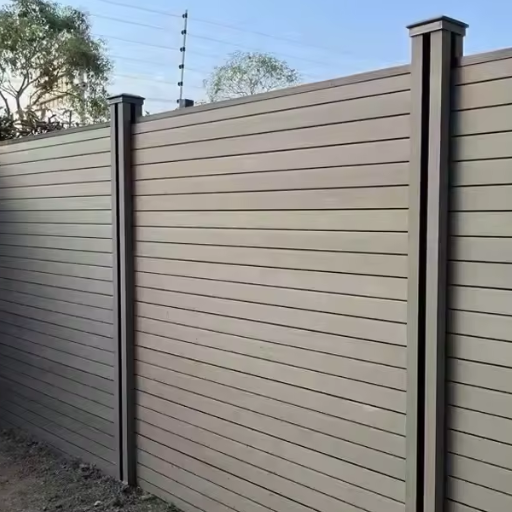
Reliability and Strength of Composite Wood
Wood Composite materials are well known for their reliability and robustness, these are deliberately made strong to overcome the challenges faced by conventional wood-based products. The external materials were also resistant to bending and cracking as well as waterproof and rotted proving ideal for use in construction and outdoor applications. Nowadays using much advanced technology, modern wood composite products are structured to provide required stability without much maintenance which also includes painting or other protective coatings. These composites are formulated to withstand environmental changes for long time without any defects associated with changes in outdoor conditions and with pests. For example, the strength in very snowy climates while being resistant to decaying is greatly commended towards the use of WPC in such area.
Weather Resistance and Performance of WPC Panels
Wood Plastic Composites (WPCs) have excellent performance characteristics in the weatherability and durability sectors. Because these materials have been specifically engineered for this purpose, they are outstanding for residential and commercial purposes. The benefit of the durability and weather resistance of resistant to ultraviolet rays, water, winds, corrosion, dust, chemicals, and impact, consists in the fact that protective WPC-housings and other WPC-components, when attached to a house, resist contraction eliminated and gaps are not formed between them.
In the same strain, WPC panels protect very well in harsh sunlight conditions; and in return prevents fading and discoloration for several years. This has been proven in a laboratory that its materials, wherein wood fibers and thermoplastic components, often two, three or more all have an effect in its performance, which is better. It is no to say that WPC may withstand considerable warming as well as cooling and moistening. And Where WPC cladding is used, the benefits far outweigh the necessity to apply the very low – or no maintenance, or for that matter, regular maintenance as well; finally the present compositions provide durable and cost effective solutions that are up to the expectations of the present day construction principles.
How WPC Reduces Carbon Footprint
WPC, or Wood Plastic Composite, helps lower the carbon footprint of different ways, in comparison to other materials. The manufacturing process of WPC uses repurposed wood dust and old plastic that would otherwise have ended up as trash, allowing the company to develop such materials without engaging in environmentally damaging practices or depleting forests. The recycling residuals overburden impacts on landfills, and also decreases eneregy consumption, which is much better than traditional materials for examples pure plastics and plain woods itself.
As a matter of fact WPC is designed for long-term residential, commercial and even outdoor use. This guarantees that the resources are not much required with timber and the urge for replacements and repairs of less durable commodities would not be high. The eco-friendly blend of WPC replicates the beauty, comfort, and warmth of wooden products while creating none of their negative environmental impacts. The upkeep of a property through WPC does not involve the use of any hazardous substances which includes paints, solvents, or sealants as they are not necessary. There are also very good reasons why WPCs have relatively lower embodied carbon prints than wood or steel in structural applications which can be attributed to better manufacturing processes and to less and less cutting down of trees for lumber. Making sure WPC is wisely selected for appropriate projects, eco-efficiency, as well as economic efficiency, is indeed possible.
Exploring WPC Solutions for Public Facilities
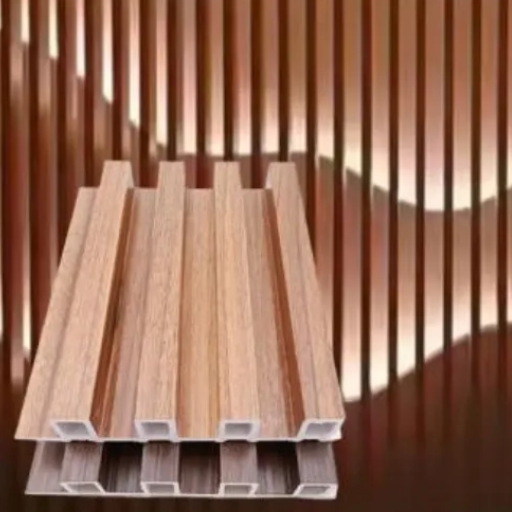
The Use of WPC in Urban Outdoor Spaces
As an excellent combination of wood fiber and polymer, WPC woodworking composite is becoming more and more popular. This is due to the fact that it is literally the only outdoor building/exterior design material that is climate resistant, hard wearing, chemical and balanceul friendly. This enables its use in such places as building outdoor equipment, furniture, tents and other structures. This natural suiting is satisfactory within many urban areas and makes it possible to create beautiful environments with these materials.
First off, it is evident that the manufacture of WPC has changed as a number of industry experts have noted that major progress has been made. With this latest technology, now everyone has a chance to create his/her specific design, which architects would easily blend in the modern urban landscape. WPC profiles in addition to fulfilling their primary function look more at saving the environment as they obviate the use of natural wood superfluously and have more environmental concerns while using in the production of recycled materials. As is the case in urban settings, it is an equally good material where towns wish to be designed in such a way that their aesthetic value does not hinder them from serving their purpose.
Case Studies: They Successful Installations of WPC
Having a passion for sustainability in the city space I had a look at a few case examples about wood plastic composite (WPC) panels and their practical use which exceeded far beyond my expectations. One concrete example concerns a public sports walkway in Jumeirah Beach, Dubai that was upgraded. This was a good example also of the use of WPC instead of the decaying timber decking for its higher resistance to external influences and climate in particular. The kind of local climate in this area, characterized by extremely hot weather and sand storms from time to time, turned out to be the perfect testing ground for WPC. The installation of the material was also of low maintenance; it was able to maintain its attractive appearance and above all it led to considerable savings in expensive lasting used repair and maintenance costs that are quite prevalent in the city economics.
Another example that generates enthusiasm is the applicability of WPC in the Beijing Olympic Forest Park. This was done to improve the image of the visitors and promote environmental protection – the designers decided to embed WPC materials in benches, pathways and small bridge elements. Manufacturing WPC with recycled materials was in line with the park’s ecological principles, service life and resistance to wear and elements was sufficient to last for decades with tens of millions of visitors per year. This situation testifies to the fact that WPC not only has the property of sustainability preservation but, also, it is effective in the model of large-scale public facilities creation designs.
There is a demonstration of WPC’s high adaptability and long lasting areas. It performs extent which is impossible or very hard in appearance of the city regions of the Middle East and on the opposite – in the urban garment of Chinese description. Accordingly, both from the practical as well as from visual point of view, WPC also gives the further possibilities in the above types of regions, including offices and residential buildings. That is why these examples do not only illustrate the advantages of eco sustainable materials but also the need to pay more attention to the development of promising cities with innovative but necessary building stocks.
Certification and Standards for Sustainable WPC Products
Certification as well as standards for Wood-Plastic Composites have also increased as products strive for an environmental friendly structure. Such certifications are about how the materials are sourced, how they are produced and whether they meet certain basic measures of sustainability in terms of quality of form.
One such example of certification ensuring sustainability for WPC products is the FSC (Forest Stewardship Council) which ensures that the wood fibers found in these product had been sourced from a well managed forest. Also, a significant proportion of the products comply with the requirements of the ISO 14001, which implies that environmental management systems are in place throughout such stages. Furthermore, other standards of the field, such as EN 15534 specify the properties and the expected life of use of the composite materials in construction.
In regions where there is a great emphasis being put on green building, certifications such as GreenGuard and LEED provide the benchmarks specific to low emissions and sustainability. Aside from promoting the use of WPC in the construction of green buildings, these certifications require that the WPC materials are compatible towards creating indoor and outdoor settlements. Therefore, in relation to the specified standards, manufacturers of WPC will more practically comply with international aspects of sustainable development, and ensure a maximum supply to the market aimed at meeting the current needs of the cities and construction.
Choosing the Right WPC Manufacturer
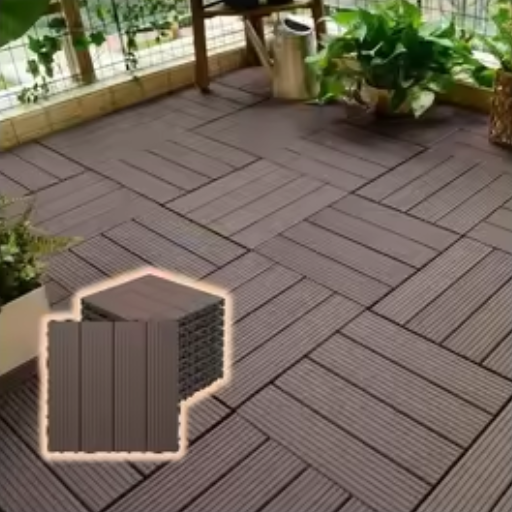
Major Considerations When Opting for a WPC Fabricator
Selecting a WPC manufacturer to work with requires scrutiny for specific elements to ensure that you receive quality and environmentally friendly materials. The factors that should be taken into consideration begin with looking at the companies quality accreditations and whether or not they perform or adhere to processes and standards such as ISO or FSC certification that are usually indicative of minimum compliance to environment and health and safety regulations. Also, the array of WPC materials stocked and in their range should be looked at, this combination of colour, shape as well as size can be altered to comply with the specific needs of a project.
The rate of production of the manufacturer and the technologies involved in the similar fixation are also required to the competent reader. Advanced production techniques such as pipe extrusion technology enable the products to be made durable, thermal resistant and enhance their performance and finally shape the intended final product. It is possible to consider how reliable, effective customer service is, how often they meet deadlines and if pre cast concrete walls are delivered in good time by investigating customer feedback and the company’s reputation in that particular industry. Another way is to evaluate how progressive these are by means of sustainability projects that relate explicitly to the post-consumer environmental demands in the building industry through recycling and ecologically friendly concrete processing, green-walls, etc. Based on number of such metrics, a WPC manufacturer that will be appropriate from both the technical and ethical perspectives can be found easily.
Innovations in WPC Co-extrusion Processes
Wood-Plastic Composite (WPC) product manufacturing has come of age with the co-extrusion process, a result of technological designs of the last years. Recently, all attention has focused on the development of WPC product’s durability, barrier and design improvement with a view to increasing the product life cycle. One of such inclusions include the use of state of the art technology that enables the addition of such layers as UV-protection and anti-abrasion layers on the WPC surface during co-extrusion which makes it possible to use WPC materials for a prolonged period of time even in tough environmental conditions. Over and above, the improved adhesion system ensures that the core and the surface are effectively bonded and allow the material to attain more structural integrity without losing malleability.
In addition, improvements in the utilization of bio-based additives and recycled polymers arу responsible for promotion of more ecological inclination of WPC co-extrusion. Such enhancements curb discouraging reliance on virgin content for its very manufacture as well. Emerging use of computerized control in extrusion equipment as such boosts the production as well as reduces the wastages and utility redundancies, thereby saving costs on materials and energy. In combination these advances make co-extruded WPC an attractive solution for modern building and decor projects because it unites efficiency, the look and the care about nature.
The Impact of Modern Co-Extruded WPC on Space Design Aesthetics
Modern design has changed significantly with the advancement in WPC having so many variants available With advancement of surface technology, WPC offers specific textures employed that give the feel and look of natural wood as if it was calculated to repeat the beauty and traditionalism of the style while executing durability as well. Most importantly, recent developments have introduced more colours in which residents and decorators can choose the one that will match their earthy toned house to the cool blue within it. The good properties of W PC also permit varying uses of the materials such as decking wall siding and as shutter or fencing this versatility makes it easy to use in all types of architecture. Composition of such material highly durable and giving it co-extruded WPC highly resistant to deformation, wear and tear and practically unlimited in the creation of stylish and without negative impact usage for making a sustainable environment.
Installation and Maintenance of WPC Products
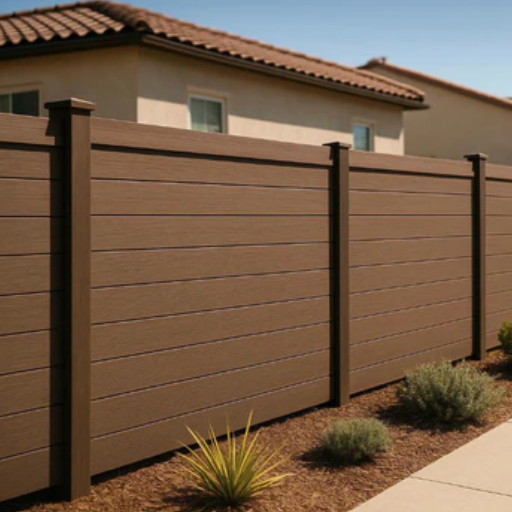
Correct Installation Guidelines of Wood-Plastic Composites
When you fix WPC deckings and panels properly, they appear neat. They also possess lasting and strong traits. The first step is to make the most suitable surface possible ensuring that it is clean, hard level and well drained so that there is no build-up of water. Employ outdoor suitable subframes and joists of good quality as a sound structure is essential for the performance of any kind of load.
Prior to adopting the WPCs and Panels, even this latest generation systems should be brought to site and allowed to settle in the environment for 24-48 hours. Finally, when fixing the boards, use hidden fixing systems for an aesthetically pleasing finish and give a legible space between the boards for letting the boards move naturally with changes in temperature or due to rains. Make sure those gaps are uniform and accurate looking at apertures on each window of a house be it door or a level. Proper ventilation beneath the deck or paneling should also be included as part of the design so as to maintain the installation. This is important in preventing moisture sontent retention and wife life of the WPC material. The sharpness of the board and its alignment also matters and it is important to align the edges so that they are well adhered and clean. The top of the bottom edge has to be cut out even if it requires smoking such an effect as it is necessary for application.
Furthermore, for each specified WPC product, be sure to consult the manufacturer directions as there will be variations in characteristics of the material, in thickness, as well as in the fastening systems used. With a well-thought-out scheme and proper adherence to the accepted standards, WPC decks and panels not only improve the atmosphere, in particular, they stay trouble free and easy to care for for dozens of years.
How to Take Care of Your WPC More Effectively
Taking care of WPC is an important to maintaining a good state and buy for your wooden plastic composites wallpapers and panes to last long and look beautiful, the control includes regular cleaning, as every day I brush them or sweep off a soft bristle and every day I brush them or sweep off a broom. Cleaning is quite easy because for ordinary dust and dirt, I suggest a round brush and for leaves falling from trees using a broom on these composite boards is enough. It may not be surprising that, someday, warm and soapy water together with non-woven mops or a soft cloth, though not wet, will be a better choice in getting rid of watermarks and coating which is likely to be present during the rainy or dry seasons. Also, harsh chemicals should never be used when less acidic water can do the job because in the former cases, efforts made in the past become obsolete and materials get ruined.
WPC maintenance also includes being vigilant in preventing damage due to the growth of molds and/or mildew, especially in areas that are shaded, moist, etc. Should such problem occur, I make sure that I remove it expeditiously with a cleaning product intended for mold treatment and is WPC-friendly. In addition, it is crucial that there be sufficient slope around the deck or the panels so as to avoid water accumulation which consequently can cause dampness problems.
Lastly, it is a practice of mine to take a good look at all components of the deck and perform some maintenance and tightening work on the fastening materials every once in a while. Consequent on that, fasteners, screws, joists are tightened, loose elements are also tightened, if and when one gets the impression that the building is beginning to subside, accommodation of the structure such as peeling boards or gaps can be corrected easily and neglecting these removed work will bring bigger repair expenses. In the same manner, recalling that one type of considered polishing material – WPC – is not lost but grateful for the services, rather, is not ready to part with. Such a thinking should encourage a person to take care of accessories with the help of suitable polish because it will make tools look even better.
Disposability of Sediment in WPC: The Basic Things You Need to Know
Wood-Plastic Composites (WPC’s) have some positive features because of their biodegradable characteristics and this is where its disposal comes to the fore. Mostly, using old wood pulp and some plastic material the polymer composites are developed such that they replace standard timber in many instances. In most cases, WPC products can also be collected after they have served their purpose to be turned into other reconstituted materials, which aids in waste reduction. An approach implemented in the WPC industry is the product recovery in which products are collected and made into composite again reducing the dependence on extra trees. Many individuals now offer take-back systems as well as joint with recycling centers to wisely do the management of scrapped WPC items. Furthermore, WPC recycling technologies are also gaining pervasiveness, bringing up newer and more cost-effective methods by which with WPC materials is achieved. Many of the products in the market today are WPC and by knowing these products and that they are recyclable, the customers can reduce their contribution to landfills.
Reference Sources
- Success Factors of Wood-Plastic Composites (WPC) as Sustainable Packaging Material
Source: sciencedirect
Link: https://www.sciencedirect.com/science/article/abs/pii/S2352550921003754
Relevance: Explores the sustainability of WPC in packaging, focusing on material components and their origins.Composites (WPC): Sustainable Development and Processing
Source: books.google
Link: https://books.google.com/books?
Relevance: Discusses advances in WPC manufacturing, including the use of biopolymers and industrial byproducts.Eco-Friendly Approach and Potential Biodegradable Polymer Matrix for WPC Composite Materials
Source: onlinelibrary.wiley
Link: https://onlinelibrary.wiley.com/doi/full/10.1155/2019/3894370
Relevance: Examines the use of biodegradable polymers in WPC for outdoor applications, emphasizing eco-friendliness.
Frequently Asked Questions (FAQs)
What is the wood-plastic composite and How does it differ from natural wood?
A wood-plastic composite is a term to refer to the use of wood flour and wood fibers loaded into a polymer matrix to manufacture plastic composite, a conflation bringing the appearance of natural wood and abilities of plastic. In contrast to solid wood, Made of Wood-Plastic Composites (WPC) have a false dimension stability and degree of water absorbance, so that they do not swell and rot. Depending on the usage, the raw material can be changed during design of products viz., extrusion technology for processes like decking, wall paneling, cladding and aesthetic products inside the building for commercial and catering purposes. Two types of WPC, including high quality WPC and high performance WPC, have been developed and also incorporating measures incorporate among others, wood plastic composites which have Ultra Violet stabilization and very low requirements for maintenance. Application of these products to the construction industry, especially where versatile solutions to wooden houses are desired, has made WPC products very popular.
How does the production process ensure high-quality WPC and compliance with international standards?
Production centers are strict regarding adherence to certain quality control measures stipulated by ISO to make every set of wpc products satisfy all the international and eco-friendliness requirements. In many cases, the production of WPCs requires the following stages – fibers treatment with considerable care, control over the extrusion conditions and, finally, post-production to reach a certain decorative and constructive effect. On the other hand, there is also the utilization of waste materials and making high-performance WPCs with recycled contents, but the materials undergo rigorous assessment levels such as water and flexural resistant properties and shows resistance against natural damages; especially wpc composed with high percentages of recycled content. Within this customer focus there is always the need to find more environmentally friendly options such as those within FSC wood outlets and the promotion of the concept of waste being too good to be wasted. These are milestones combined into one package and form what; in fact; could meet the expectations of those who build or landscape as to the order: very “tall” expectations.
Could the WPC decking boards that are installed outdoors perform welI and resist UV loss?
Certainly! WPC composite more recent decking boards are designed with UV blockers and advanced materials that cut down the amount of color fading and surface erosion over a long period of use. The Use of high-performance additives increases dimensional stability of the products preventing them to twist and bend even under the harsh climatic conditions which are mainly experienced in the Northern America and other global markets. As there are limitations and disadvantages to wood or PVC decking materials, recyclable composite materials are superior because they are not subject to the biocompatibility and bioavailability difficulties later during disposal. WPC Decking is also environmentally friendly since the materials are often recycled and some are a mixture of polymers and new wood fibers.
What is the significance of using recyclable substances in WPC in terms of its sustainability?
The point of departure is the use of old plastics and wood flour as both convert these usher in the age of high-technology and sustainable eco-products. This is how manufacturers do not render waste irrespective of the end user, because they can develop materials containing post-consumer plastics and salvaged wood components, and yet ensure extra strength is built in without raising weight, cracking, fatigue creep or any other issues through careful factory processes. By this criterion at times toward a positive environmental front which also in most cases meets the requirements of certificates like FSC for wood and ISO for production. Recycled wood plastic composites also promote recycling advantages, like high-durability, mass dimensional stability, very low maintenance and insusceptibility to weathering conditions if manufactured with care. This leads to creation of an extensive compressive strength of the product range that is applicable for fencing, cladding & interior fit out applications, and is in line with the values of the builders and achievability of the set targets of sustainability.
How can I make sure to choose the best WPC products for my project so as to gain maximum advantage and durability?
Help me find the WPC products necessary to my choice and I will take a look at the formulation, mechanical measurements of their bend and stiffness and kinds of products designed for use as decking boards, fence or wall claddings. Also ask for equipment control documents, а rights for ISO standards and, in addition, ello and the like prove that the expectations about the environmental responsibility, and there is the compliance with the current norms. Examine the extent to which the polymer is used by the manufacturer, whether the filler is of the right content and sufficient proportion to meet the desired decorative and functional result. Enquire about if samples will be tested in custom GTI weathering chambers for dicolorarion, absrobtion and longeviry terms in your clime in both set and recommended ranges. In conclusion, get a good perspective from the WPC manufacturers who has a record of making exceptional products for the building sector aimed at WPC applications.
Categories:
Blog
Tags:
Technical & Durability
Related Articles