WPC Decking: Composite Deck vs. Wood Deck Building Material
Choosing the right material is crucial when it comes to constructing the ideal outdoor deck. Decking or wood is an enormous subject that has gained interest from various homeowners and builders alike over the years. Each of them has all good points and all bad too, and is helped by words like durability, care, cost, and environmental impact. This article is designed to draw your understanding toward a comparison of these two widely used materials and will help you make the impetus for your future lifestyle, budget, and hopes, depending on your personal judgment. If you were to go with a deck that looks better or requires less maintenance, it will help to know the most common pros and cons that composite and wood decking offer. The best deck material for your dream is what you will end up fulfilling before you close.
Understanding WPC Decking
Moreover, the presence of wood flour enhances the stiffness and slip resistance of the decking profiles. Owing to these advantages, wood composites are appealing to terraces where weathering is NO risk to the material, as is commonly observed in traditional wood. Furthermore, less swelling can be observed as a result of water absorption, with a reduced chance of splintering when the profiles are exposed to abrasive conditions or heavy foot traffic. Polemic conclusions must be replaced by more objective ones.
What is WPC Decking?
WPC decking that enhances sustainable aesthetics. Various recent data contributions seem to be trustworthy resources to back this claim.
Durability and Longevity
WPC decking has high resistance to environmental conditions like UV light, moisture, and temperature changes. Studies show that well-kept WPC can last for 25-30 years, far above the life of non-preserved wood decking, which normally lasts for 10-15 years.
Low Maintenance
WPC decking does not require a lot of maintenance in comparison to traditional wood decking, which requires regular staining, sealing, and cleaning. Only mild soap and water are needed to clean it. It would save you precious time and an average of 30% in maintenance costs every year.
Eco-Friendly Composition
WPC decking products are springing up in the marketplace, where much is offered from recycled wood and plastic materials, with some even containing about 95% of the recycled content. This helps to reduce deforestation and plastic waste. Thus, this is a major plus for environmental sustainability.
Aesthetic Versatility
WPC decking is offered in different textures, patterns, and colors. With improved digital technology, producers can create resin that looks like wood grain, stone, or some other aesthetic. This leads to an array of options so that the homeowners can have just the right designs for their lifestyle.
Slip Resistance
WPC decking provides better and actionable traction for hazardous and wet underfoot conditions. Carefully constructed surface technology has been designed with an anti-slip measure for pools, decks, and patios.
Market Growth Trends
As per several marketing reports, the WPC decking industry worldwide is set to grow at a compound annual growth rate of 11.4% and climb up to USD 8 billion by 2028. This is caused by the increased use of WPC in (housing and non-housing) landscaping projects.
Applications of WPC Decking
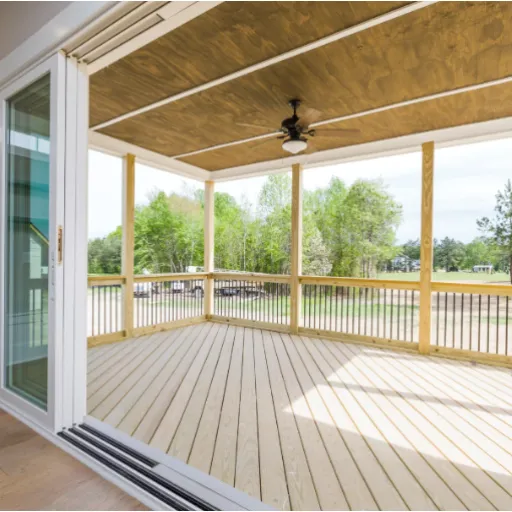
WPC decking is versatile and finds application in various outdoor and semi-outdoor areas:
- Residential Spaces: balconies, rooftop garden, swimming pools, and sundecks.
- Commercial Projects: outdoor decking projects for hotel use, public parks, and boardwalks.
- Marine Uses: Jetties, docks, and harbor sidewalk projects.
The durability, style, and environmental benefits leave the stage for wood-plastic composite (WPC) decking, making it the chosen option in residential and commercial areas throughout the world.
Composition of Wood Plastic Composite
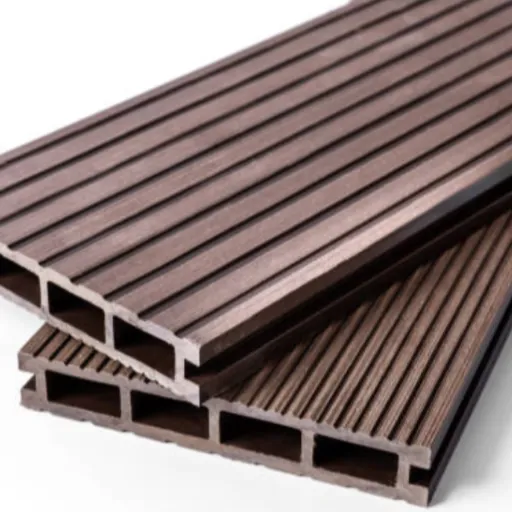
Wood Plastic Composite (WPC) is a composite material, primarily wood fibers, supported on thermoplastic materials such as polyvinyl chloride (PVC), polyethylene (PE), or polypropylene (PP). Typically, half of the wood fibers and half of the plastics are used in the product. In some cases, depending on the manufacturers and applications, the proportion may vary. These plastics are added to a few other additives, which really help in their functional efficiency and give long life.
Key Properties of WPC Decking:
- Durability: A unique composition in WPC optimizes its resistance to rot, decay, and insect erosion. Studies have shown that in a similar environment, WPC, when compared with timber, would last at least 2-3 times longer.
- Weather Resistance: Due to the plastic content, WPC is most resistant to moisture, resisting warping and swelling, at the same time dealing effectively with extreme cold and heat. WPC has indeed successfully retained its structural integrity even after continuous conditions, including being under direct exposure to water and sunlight.
- Low Maintenance: WPC does not require painting, staining, or sealing, as does natural wood. The usual process for cleaning it is just washing it with soap and hosing it down.
- Eco-Friendliness: Many companies are using recycled plastics and processing wood waste products as raw materials for WPC, making it a recommended substitute for traditional materials. A recent assessment points out that the use of WPC has helped reduce deforestation and significant plastic waste.
Advantages Backed by Data:
Market research has estimated the global WPC market at $5.4 billion in 2021, and by the year 2030, the same is projected to virtually double to $10.8 billion, encouraged by an 8.2% average annual market growth rate. The research also revealed that WPC products reduce lifecycle costs by up to 30% compared to those made from traditional wood, considering lower long-term maintenance and increased durability.
WPC decking is a successful coupling of beauty and utility, making it an excellent choice for present-day outdoor orientation. Its increasing share in the market is evidence of the trends towards material building with the sustainability and versatility of building construction materials.
Benefits of WPC Decking
Wood polymer composite decking, in comparison to traditional alternative materials, has more benefits. In part, this is due to increased demand in the market for wood polymer composite decking. The major reasons behind this include all forms of durability, low maintenance, and environmental considerations. Thanks to the 2023 snapshot, market insight shows that the worldwide WPC market stands at about $9.5bn by 2026 and will continue as the eco-construction feedstock is on the rise. One of the most glorious benefits of wood polyethylene composite decks is that they are immune to rotting, insect invasions, and warping, and a potent match for long-term use under a variety of climatic conditions.
Moreover, WPC decking combines recycled wood fiber and recycled high-quality plastics, offering an environmentally responsible alternative to natural lumber by reducing reliance on virgin materials. The study shows that the use of WPC material is an advantage in terms of deforestation because it helps save natural timber resources. Some of the product advantages include slip resistance that helps create a safer environment, as the colour and texture continue to be preserved with weather changes. The new products are a reflection of modern design requirements and technological developments, with a design incorporating UV resistance, while some are easy to install.
Comparing Composite Decking to Traditional Wood Decking
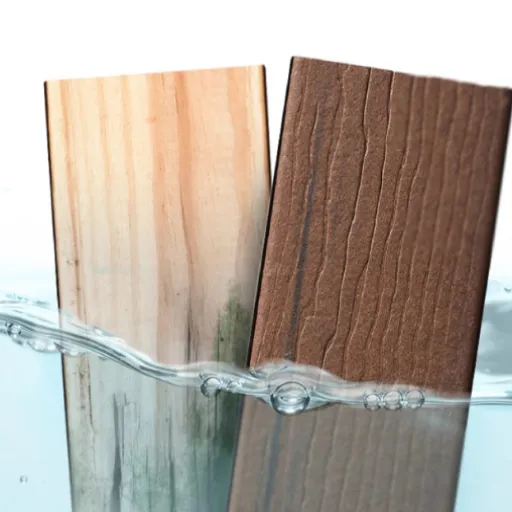
Composite decking is a smart choice over wooden decks simply because of its durability and low maintenance. For instance, it will not rot, warp, be a host for ants, or become overrun by insects. Therefore, it does not require regular waxing, painting, or staining. Moreover, wood decking, despite its natural and stylish looks, weathers with time and therefore requires more frequent maintenance to maintain its appearance and integrity. In essence, composite decking is an exceptionally durable and maintenance-free product, which makes it an ardor to a lot of homeowners.
Durability and Lifespan
Opponents claim that composite decking’s design can interact with solar cells in a way creating cracking by temperature changes and pollutes the environment after its disposal.
Google trend terms “low maintenance decking” and “long-lasting composite products” have leaped into the mainstream because of the increasing fondness of homeowners for both low upkeep and high-quality living materials that will retain and possibly add value to their homes. In addition, sustainability reports tell us that many grades on the composite decking market boast as high as 95% recycled constituents, signifying an environmentally friendly and cosseting choice to the eco-conscious scene.
Today, composite decking, with pairs of warranties usually covering 20 to as long as 50 years, is an ever more attractive option for outdoor home solutions. Its impermeability to common complaints like mold, termite infestation, and discoloration further secures a better reputation for composite decking as a durable asset in enhancing landscape designs and operational ability·.
Maintenance Requirements
Composite decking has been designed so as to be low maintenance, undoubtedly engendering a substantial degree of appeal to many homeowners. With timber decking, maintenance tasks such as sanding, staining, and sealing are necessitated quite frequently. A gentle wash with some soap or clean water, combined in some cases with pressure washing, whenever there appears to be a streak of tough stains or dirt build-up, would constitute some extent of maintenance from time to time.
Yet another recent generation of data rife with evidence is adorned with the claim that composite decking has brought to the fore a 37% lesser requirement for maintenance during its lifespan as compared to pressure-treated wood. In many situations, technology in industry is innovating and is giving rise to better material developments, such that there now exist capping layers resistant to “stains” and “scratches,” thereby enhancing the appearance of the deck for a longer period. Color retention and texture memory work toward eliminating makeup maintenance needs, proving to be cost-effective in the long term.
For all their advantages in durability, promotional texts by companies like Trex and Fiberon explain that the bolts and fasteners used in the assembly have to be checked for tightness, and the space between boards has to be kept clear to ensure good drainage and structural integrity. The ease of this type of maintenance is something any homeowner will appreciate for sure—for here attached with the notion of maintenance are hours upon hours of toilsomeness that must be stripped off for rewarding reasons than this.
Rot Resistance
One of the essential features of composite decking is its high resistance to a lack of air, and this makes it better than natural wood. It is improper to make distinctions by focusing on the previous generation’s adequate bonding between timbers. Such bonding does not exist anymore, since between 16-18% moisture content at maximum, a composite board will show signs of moisture increase. Actually, modern composite boards can, if treated properly and signs of rot or decay have not set in, due to the various brands on the market; after 25-30 years they mightlast. Quality brands like Trex or Fiberon have capped composites containing a protective outer layer that increases added moisture resistance while also preventing mold growth.
According to an industrial overview for 2023, composite boards are 95% resistive to water penetration, and such resistance is substantially more protective than on naked wood structures. Indeed, should this fact be weighed against, one may conclude that in regions of high humidity or much rainfall, the composite deck is an ideal decision, moreover. That is what a few customers have reported-maintenance stands at around 60% less for a similar period of 10 years vis-a-vis compost decking and wood treatments, on account of decay.
Installation and Cost Considerations
The setup is pretty simple, with the most common hidden fastener system used to cover up the deck fixtures. Although the initial cost of a composite deck will be higher than with tradition wood, long-term gains can be reaped in terms of repair costs. For most homeowners, such a setup serves well as a combination of longevity, aesthetics, and lower maintenance costs, thus worthily paying off over time.
WPC Decking Installation Process
Preparation of the Site
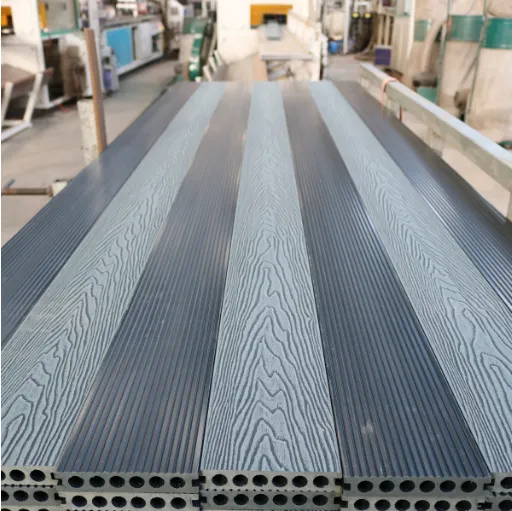
Before installation, you must level up the area by removing anything accumulated and ensuring that the space is nice and clean. For the longevity of the decking, properly targeting is crucial. Subframe applications will work even better and are greatly recommended by many members of the profession. In some cases, this may include concrete slabs or adjustable paving pedestals.
Laying the Joists
Spabble joist appropriately to guide the decking boards uniformly. Following guidance overall, most manufacturers will recommend a joist of 12 to 16 inches (30 to 40 cm) space. Boarding closer would be recommended, whereby higher legfalling is more likely, or boards are laid occasionally at a slant.
Placing the Decking Boards
To start, first attach the initial board to the edge of the frame. Boards should be fastened using hidden fasteners. This will allow for a consistent, professional platform, aesthetically pleasing. Leave a 5-7mm gap between boards for expansion and for water drainage purposes, per current installation standards.
Finishing Touches
After all the boards are secured, you can go around and finish off the ever-ready stretcher or skirting boards to cover their edges; this would make the deck more complete with accessories like end caps and clips.
Benefits of WPC Decking Based on Current Market Data

Longevity and Durability
This decking has an expected lifespan of 25 to 30 years, according to industry opinions of 2023. This is in stark contrast to the very limited lifespan of 10 to 15 years for wood, which is always under extensive maintenance. It is good for outdoor applications due to its good resistance to rot, pests, and UV effects.
Cost Savings Over Time
Of composite decking’s total cost, $25-$35 per square foot is available for materials and installation. This may seem downright high in comparison to half the average up-front installation cost of $15-$20 per square foot in traditional wood decking, but over time, less money is associated with maintenance, specifically, sealing, staining, or replacing damaged boards-saves homeowners an average of $1500-$2000 associated with sustaining it over a ten-year period.
Key Considerations for Homeowners
Among the things that need to be considered in choosing a WPC deck are warranties, product performance, and customer feedback. Opting for installation by professionals is a possible solution for one to comply with all of the standards of the manufacturer. Free quotations for your specified project size and location are often presented to clients online or by local service providers.
Cost Comparison: WPC vs. Wood Decking
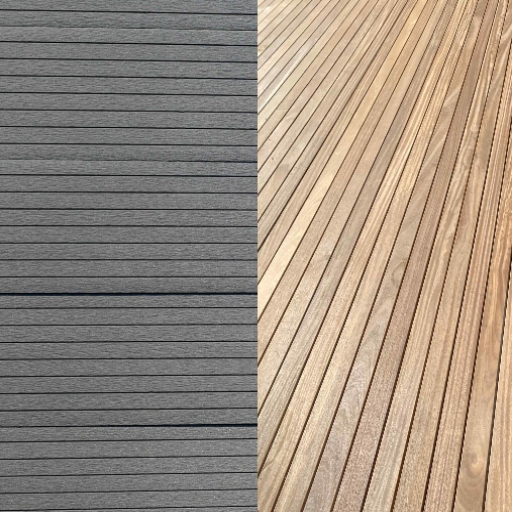
When comparing the outlay of WPC decking with traditional wood decking, the comparison takes into its ambit several aspects, such as first costs, their maintenance, and overall lifespan. Market analyses show that the price for a WPC deck will run between $15 and $35 per square foot, including installation, depending on brand and quality. In contrast, traditional wood decking, like pressure-treated pine, has a lower first cost of about $10 to $25 per square foot, including installation.
However, the lower upfront price of wood decking is quickly engulfed in higher maintenance costs later on. Wood needs to be regularly sealed, stained, and otherwise treated against moisture, insects, and warping, inducing yearly maintenance costs of about $300 to $1000, according to the size of the deck. In contrast, WPC decking costs incredibly less to maintain, requiring only some cleaning and not to be sealed or stained.
WPC decking has a longer lifespan of about 25 to 30 years, in contrast to wooden decking, which often suffers replacement after 10 to 15 years, particularly if not well-maintained. This, therefore, suggests the cost-effectiveness and sustainability of WPC serve the homeowner’s interest in a durable deck material that needs almost no maintenance care.
| Feature | WPC Decking | Wood Decking |
|---|---|---|
| Initial Cost (per sq ft) | $15 – $35 | $10 – $25 |
| Lifespan | 25 – 30 years | 10 – 15 years |
| Annual Maintenance Cost | Minimal (soap & water) | $300 – $1000 |
| Maintenance Requirements | Simple cleaning | Staining, sealing, sanding |
| Rot Resistance | 95% water penetration resistance | Susceptible to rot |
| Recycled Content | Up to 95% | 0% |
| 10-Year Maintenance Savings | $1,500 – $2,000 | – |
Available Decking Materials and Options
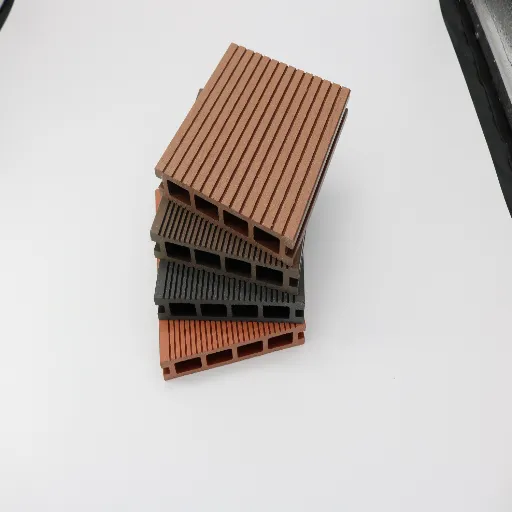
Composite Wood-Plastic (WPC) decking is a construction favorite for its longevity and minimal upkeep requirements. As per the most up-to-date industry data, composites continue to show an annual growth rate of about 12%-a testament to their higher performance and advantages for the environment in contrast with hardwood.
Low Maintenance and Cost Savings
Unending attempts to seal, apply, and scrub have become a thing of the past now with WPC decking. By maintaining this material, the homeowner saved between $500 and $1,000 each year. Their requirement for maintenance materials is down to $500. Numerous studies indicate maintenance requirements of WPC decking over a span of 10 years have turned out to be 30% cheaper than its wood counterparts.
Enhanced Durability and Longevity
WPC decking is engineered to combat weathering, warpage, and rot that endows it with an average life span of 25-30 years. In contrast, traditional wood decking will be replaced between 10 and 15 years, especially in areas where a harsh climate is the norm. An important reason why WPC decking received favor is the duration of its use, making it a better, more sustainable, and value-for-money project.
Eco-Friendly Composition
It amalgamates recycled wood and plastic materials, with many brands boasting that their products are around 95% recycled. This makes WPC decking most sustainable, aiding in saving forest resources much more than when plastic is diverted from landfills.
Wide Range of Colors and Styles
WPC decking comes in many colors, and many finishes and surfaces are also made to imitate authentic wood beauty, plus there are numerous possibilities to assign a personal imprint to outer spaces. Sought-after finishes include an all-weathered tone, rich mahogany, and classical cedar, exposing homeowners to their desired aesthetics. Homeowners enjoy a very genuine theme devoid of compromise on quality or performance status.
WPC decking has lately emerged as epic in modern times in the creation of splendid and sustainable outdoor spaces.
Environmental Impact of Decking Materials

Sustainability of decking materials differs between types. While wood is natural, many types, especially those connected with the global trade culture, lead to deforestation and high maintenance, consisting of chemicals such as pesticides. Moreover, composite decking WPC employs recycled materials for resource preservation and recycling of waste. The fact that it has a longer lifespan suggests that customers could put off having their decks renovated for a longer time. This is aimed at lessening the ecological impact of the pair of construction products through the precise use, whether it be sustainably sourced wood or recycled-content composites.
Recycling and Sustainability of WPC
Wood Plastic Composite (WPC) has emerged as an eco-friendly option in construction due to its recycling potential and sustainable aspects. It is generally made by mixing recycled wood fibers and plastic polymers, the result being composites that often contain 60-80% recycled content. This not only greatly reduces the waste bound to landfills but also saves virgin material like lumber and plastic that would otherwise have to be taken from non-renewable resources.
One of the most significant advantages of WPC lies in its recyclability at the end of its lifecycle. Many manufacturers nowadays have initiated take-back programs, where they recycle old WPC products by breaking them down and reintegrating them into new composite material. This circular process aids in the reduction of consumption of resources and hence CO2 emissions.
Additionally, the production of WPC usually requires fewer natural resources than does the harvesting of lumber, which serves as a comparison to WPC. In this perspective, studies cited herein report that manufacturing involves less water and energy usage compared to the harvesting, transportation, and production stages of virgin timber usage. The exclusion of chemical treatments like preservatives or sealants also greatly decreases soil and water pollution along the way.
The weathering, rot, and insect damage resistance provided by WPC just increases its lifespan, and, hence, sustainability, leading to lesser demand for replacements. Some industry sources suggest that an average of 20-30 years of life should be expected from WPC products that outshine treated lumber in terms of length of life and ease of maintenance.
WPC has continued to be seen by a host of consumers and builders currently as a choice that is valuably sustainable, with working functionality and reliance with concern for the environment, thanks to improved processing technologies and increased recycling capabilities. It then increases acceptance in one market after another as industry and consumers worldwide are prioritizing green building materials.
Plastic Decking vs. Real Wood
Wood-plastic composites are environmentally friendly materials for several reasons, including their composition, recycled content, and reclaimability. In general, WPCs are made up of recycled wood fibers held together by plastics and some kind of binding agent. As of recent statistics, up to 95% of the raw materials utilized in the WPC production cycle may come from recycled ingredients, effectively reducing the demand for newer virgin materials and decreasing the potential impact on the environment.
The recycling aspect of WPC is another source of its sustainability. Often, at the end of its service life, WPC materials can be reused or recycled into new WPC materials. On the whole, studies suggest that recycling conserves energy vis-à-vis virgin production of new materials, eventually bringing down the carbon emissions scale. On the other hand, in combination with being durable and resistant to weathering, it contributes to the virtue of lowering the productivity of recurrent replacements, further decreasing waste over time.
Another point in favor of WPC making inroads into eco-forest management is this reduced dependence on natural timber. This suits the trend for forest conservation and biodiversity in the world. There is now a growing demand for environmentally friendly construction materials. The most sought-after of the recycled materials is WPC in its dual manifestations in both the residential and commercial markets, proving its worth in bringing environmental sustainability within the construction industry.
Reference Sources
Life Cycle Assessment of Wood Plastic Decking Manufacturing
Source: ScienceDirect
Key Findings: This study conducted a life cycle assessment (LCA) of WPC decking manufacturing in a Chinese facility. It identified key environmental impacts and proposed actionable strategies to reduce them, such as optimizing material usage and energy efficiency.
Methodology: The research used LCA tools to evaluate the environmental footprint of the production process, focusing on energy consumption, emissions, and waste management.
Impact of High Moisture Conditions on WPC Decks
Source: ScienceDirect
Key Findings: The study examined the effects of high moisture conditions on the serviceability and stiffness of WPC decks. It found that prolonged exposure to moisture could lead to a significant reduction in mechanical performance.
Methodology: Three types of commercial WPC decks were tested under controlled high-moisture conditions to assess changes in stiffness and durability.
Evaluation of WPC Properties with Different Wood Types and Additives
Source: Stellenbosch University
Key Findings: This research explored how different wood types, additives, and processing techniques affect the properties of WPC. It highlighted the potential of using invasive tree species like Port Jackson for WPC production.
Methodology: The study involved the experimental production of WPC samples with varying compositions and testing their physical and mechanical properties.
Frequently Asked Questions (FAQs)
What is WPC decking made of?
WPC decking, a composite material, is primarily made up of wood fibers and thermoplastics such as PVC, polyethylene (PE), or polypropylene (PP). Generally, it consists of 50% wood fibers and 50% plastics, with some products containing up to 95% recycled content.
How long does WPC decking last?
WPC decking typically lasts 25-30 years with proper maintenance, which is much longer compared to standard wood decking that has a life span of only 10-15 years. Its resistance to the above-mentioned factors is the reason for the durability of WPC decking.
Is WPC decking more expensive than wood?
Initially, this is the case. The cost for WPC decking is $15-$35 every square foot, while the cost of wood is $10-$25 every square foot, depending on the type of wood. However, overshadowing WPC’s lower maintenance costs, homeowners get the large sum of $1,500-$2,000 in the long run when maintenance costs are compared with Wood, giving the latter an advantage in selling price.
How do you maintain WPC decking?
WPC decking is maintenance-friendly, which means it needs minimal care and sometimes just cleaning with soapy water. In contrast with timber, the WPC decking does not require staining, sealing, or painting, which results in a 37% reduction in maintenance compared to wood decking.
Is WPC decking environmentally friendly?
Undoubtedly, WPC decking is the choice that Mother Nature will love. Very high 60-95% of the materials used in a lot of products are recycled; therefore, the cutting down of trees is minimized, and the plastic from landfills is reduced. Besides, WPC is recyclable after its useful life; thus, it is incorporated into a circular economy.
Does WPC decking get hot in the sun?
Similar to any natural wood decking, the WPC kind heats up under the sun. However, certain manufacturers have put into place the use of heat-resistant technology in their WPC products and also the application of light colors so that heat absorption can be lessened.
Can WPC decking be installed on existing deck frames?
Yes, the query’s answer is affirmative. In most instances, WPC decking may be installed on top of previously constructed frames, given that the frames are in good condition and are correctly spaced. Most of the manufacturers recommend a distance of 12-16 inches (30-40 cm) between joists for maximum support.
Is WPC decking slippery when wet?
Not at all, WPC decking comes with anti-slip surface technology, which gives better grip in wet condition,s making it safer than many classic wood options, particularly in the areas of pools and patios.
Categories:
Blog
Related Articles