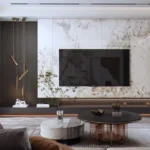
Wood Veneer Panels: Achieving a Natural Look with High Durability
The trend for wooden veneer panels continues to rise in popularity among millworkers, designers, and homeowners who embrace the combination of beauty of Nature offered in the form of break and tear resistant materials. More than preventing wood veneer panels is also an advance to the traditional wood surface feature. This blog explores how wood veneer panels can help improve your environment with their high adaptability, quality finish, and performance gains. We shall walk you through the process of making wood veneer panels including the materials used and assembling them for installation in modern dwelling units. Some tips and other things are available to assist you in the effecting of these roofing panels in your.bullets walls in order to come up with the most innovative ceiling designs which have integrated this particular architectural feature. Wood veneer panels from an antithetical perspective as the one ensures the successive fashioning of art works and develops comfortable places are guaranteed earlier.
Understanding Wood Veneer and Its Benefits
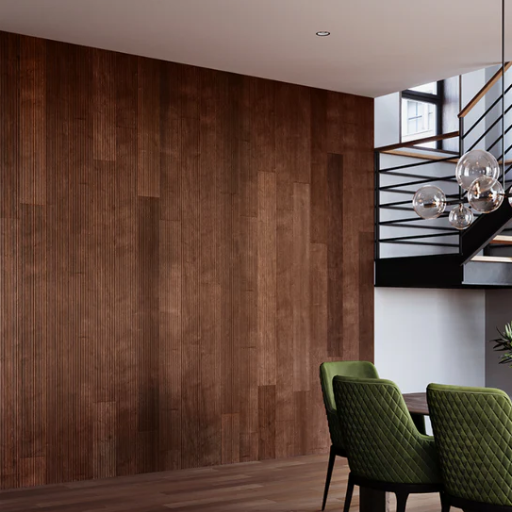
Wood Veneer – A Professional Perspective.
Many view wood veneer as this super thin layer of wood that gets expertly cut or peeled from a log. Instead, it is placed or bonded to a substrate, such as the aforementioned plywood, particleboard or MDF in order to mimic the solid wood grain without the bulk and expense. Veneers are typically produced in many different wood species, with many colors, surfaces and patterns available for virtually every interior style purpose. Most importantly, using veneers is prevalent in furniture, cabinets and other interior decoration finishes that enhance the look of real wood with optimal sustainability and resource utilization. Manufacturers are not wrong when they assert that cheaper and cheaper products mean more and more wastes generated during their disposal.
Benefits of employing Paper Thin Wood Veneer aside from its availability
There are numerous advantages a user can enjoy with paper thin wood veneer panels and as such can be used in both residences and commercial spaces. Easily convinced by its beauty, one of the key benefits of this material would be in its ability to simulate high-end finishes made of expensive solid wood but at a much lower price. Such panellings are also preferred because they do not ‘burden’ cumbersome loads. Instead, most are made of processed wood products and weigh less than their ultimate solid wood counterparts, hence reducing construction schedule and building costs overall.
Viewing it from the treehugger’s perspective, wood veneer panels are also considered especially ‘green’ materials or materials that do not contribute to environmental degradation. As a matter of fact, such panels are manufactured using nothing but extremely rare wood as many other wood types might not survive the cutting and pressing procedures. That accommodates a green approach to development as no excessive production waste materializes, and sets strict disposal instructions on where it will be possible to safely dispose the ‘irelevant’ wastage and where it is prohibited. Many manufacturers producing veneer made of wood also procure the materials objectively, i.e. without consuming the irresponsible sources, while offering certification programs under renowned environmental bodies.
Also, it is worth mentioning that wood veneer panels are tough and have long durability as long as they are preserved properly. Currently, with the improved technology in applications and resins, it’s possible to enhance their strength against heat, water and mechanical damages, thus making them suitable for heavily utilized places. Very effective finishing touches are the panelling and they perfectly combine ornaments, practical use and eco-friendliness empowering any modern designer or architect to use them.
Exploring Different Types of Wood Wall Panels
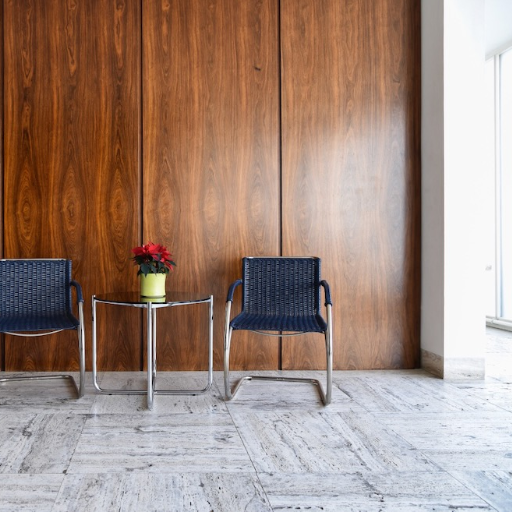
Different Kinds of Timber Cladding and Its Advantages
Wood Wall Panels are made in different designs depending on the user’s preferences, styles and the interior. Shiplap Wall Panels have been among the well-used panels because of the uniform vertical configurations that freely steep the interior proper to modern or farmer. With the way the panels interlock, the effect is both raw and smooth for use within lounges, bedrooms, as well as baths. Their easy installation makes them suitable for use in most parts of the house and if need be, they can be painted to any color. Wood Panelling is a Useful Feature for Many Homes.
It has been noted that beadboard panels are the other options which come with beads has grooves run along the vertical that brings an effect and décor to the interior. In general beadboard is found more on wainscoting and the decoration of the rooms like the kitchen and bathrooms, this has a vintage look to it. For those intending to create a modern and fashionable room, such panels are also available with thin weatherboards men made with a real wood material. Indeed these products look high end especially if one is conscious about the cost of solid pieces of wood.
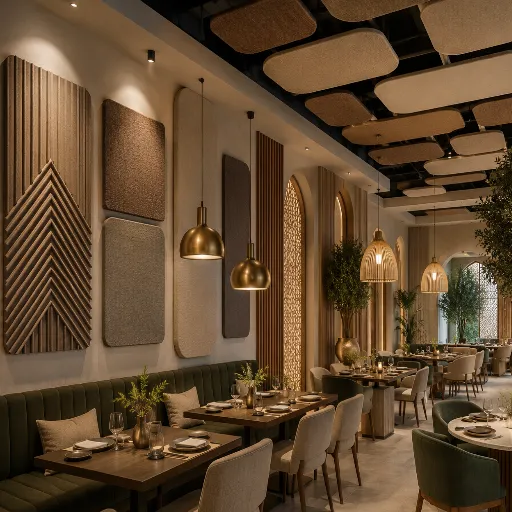
Available for purchase are beautiful 3D panels for walls; their main feature is the depth effect of their texture and a modern addition to traditional walls and flat surfaced walls. Owing to the plain and cladding style of furniture in the moderate style panels, it will not be a will not require much time consuming efforts for their installation for the most part; therefore they are comfortable to even small volume projects. Following the same pattern, ceiling is made of wooden; at different locations of the ceiling, there are rectangular openings, also concealed lights are integrated into the ceiling. Additionally, modern thatched wooden fencing with in built windows that have nets and can be easily dismantled in the open layout will be featured. Numerous covers can be produced nowadays, retro and rustic aesthetics can be suitable for them in a number of modifications. Consequently, they do come in different shapes, sizes and designs.
Using Slat Wall Panels in All Interior Designing Works
Slat wall panels are modern and the ultimate design solution for residential spaces as well as the commercial ones. Such wall panels take a step further and are not just visually appealing, but are also designed for optimizing the space for the dwellers and those working in the building. These panels are made out of different materials such as MDF, aluminum, or any wood material in the market. The slat wall panels are such a versatile component to the market and it becomes advantageous since there are no restrictions according to the possible designs it can be used in. Such is the case in display areas within retail spaces. The store space is enhanced by the installation of the retail Allied Display Products slat wall panels. In addition, for use in house, there is a way to make use of the visual values of slat wall panels in the form of accent walls, cabinets or even soundproofing. Serves a lot of functions since the slat wall panels can be used horizontally, some client’s prefer them because they are better than the rest.
Get The Most Out Of Wood
In any art of woodworking, the kind of wood that you choose to work with will have an impact on how useful the final result will be. This starts with figuring out what Is needed for your project. Does your project require the toughness that comes with durability? Is it aesthetics that’s the main concern for instance;; wood that would allow for good finishing or last long as used in furniture and flooring. Would you rather choose a wood such as pine – which in comparison, is soft and does not last long and would be very helpful when used as an accent- or prefer oak? Besides, aspects such as, the characteristics of grain pattern, color and how resistant they are to any kind of external factors also play important role in choosing wood. Lastly, the knowledge of such elements will assure any builder that the work created is attractive and endures for especially long times.
Installation and Maintenance of Wood Wall Panels
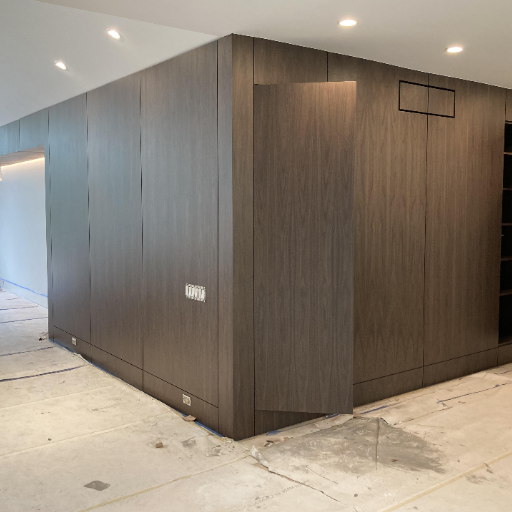
How to Install Wood Veneer Panels
- Fix the Wall Surface: First, wash the wall to make sure that it is in a smooth and dry condition. Dust off or scratch off any previous finishes or any mess that could interfere with the adhesion of the panels. Lightly sand the surface and let’s say apply a primer before adding the veneer to the wall it will seal & bond properly.
- Count your Squares and Map the Painters Out: However … or take it extreme by carefully giving the correct measurements of the wall then look to the number and pattern of wood veneer panels necessary. Gridded layout should help one for measuring and installation without out of bounds cutting.
- Tailor them perfectly: Trimming the wood veneer panels to meet wall’s design as well as structural components is easy with the use of finer tooth chisel saw or other special equipment. Do not rush and keep tabs on the dimensions for considerable cuts during the procedure.
- Stick them Up: Choose a highly resilient effective glue that can bond wood veneer panels. Applying the glue adequately on the wood backside or directly on a wall using a notched trowel can be put in place like what the installer’s directions say them to.
- Position Correct then Gently Press: Position the wood panel in place by the wall on the top or the bottom corner, and appropriately press it. Use enough strength to join all surfaces-contact, and a paint roller is very handy in removing air bubbles for a good connection. In the course of all this re joyful to maintain uniform placement, otherwise one may notice gaps between the wood pieces and nail like objects that look out of place.
- Adjust Your Education: Always follow the time that the adhesive used has given. Try to avoid any pressure or any further movements within this period to give any opportunity for the boards to stick well.
- Final Steps: Once all the boards have been installed and the glue has had the chance to cure, inspect the spaces between boards and board edges. Use q caulking compound or wood filler as required to make the cracks disappear. And as long as one is in the mood for it, apply various wood finishes like varnish, or sealants to elongate the life span of the wood.
Best Practices of Wood Wall Panel Preservation
In order to maintain durability and esthetics of your wall wood panels, it is mandatory to implement effective preservation strategies. A microfiber cloth is an acceptable cleaning accessory for daily dusting of the panels in order to prevent unnecessary accumulation of dust which is capable of wearing away their exterior as time goes on. Deeper cleaning of the wood wall panels requires the use of a lightly soaped damp cloth before buffing it to ensure no excessive amounts of thin water droplets are left to avoid warping or stains. Limiting exposure to direct sunlight without any protection to the wooden panels in curtains or coatings that protect them from UV should not be done as it tends to lessen the wood and its colour.
Make every effort to observe optimal indoor humidity which lies in the range of 35-55%. This will decrease drastically the possibility of warping or cracking taking place due to sudden moisture shifts. Stick to the procedure of periodic examination of any possible scratches and damaged areas, and upon discovery, use a touch-up kit or have them professionally refinished. More so missing out the scratching or cutting of the surface using chemicals abrasives or other heavy writing instruments, including excessive weight will assist in safeguarding their structure and finishing. By following these tips, the original finish on your panels wall will endure.
Issues Related with Wood Wall Panels and Their Solutions
- 1. Scratches and Surface Damage: Scratches have no doubt become some of the issues frequently found especially in the center of every trafficked area. To take care of slight scratches, use such means as touch-up markers of the matching color of the panels or deeper scratches may have a small amount of wood filler applied; then take sandpaper in very fine grit and rub the surface of the area to remove further roughness. For lasting appearance, you might need to resurface that spot as it is scrubbed down and cleaner once again. Regularly using a piece of cotton or duster to keep the area clean can also stop these cloudy marks from occurring.
- 2. Warping and Buckling: If you supposed that the wood was due in an off-center area and was not able to stand up and has started to bend as the weight pulled the thermoplastic to certain undesirable direction, then warping will occur especially if the wood drows to much moisture compared to its DMC. General actions such as the use of dehumidification appliances, increased ventilation and the removal of water sources should be taken in line with the specific section configuration. If the panels are very heavily warped, they can be worked on without breaking them by slicing up the broken section.
- 3. Stains and Discolouration: Dirt, liquids, or direct sunlight can stain and damage wood paneling, which in turn will diminish its beauty. on the other hand, some marks are easy to remove using a mixture of vinegar and water or other mild wood cleaners to avoid causing additional damage. If the wooden surfaces are not protected by any finishes meant to resist UV rays, one may also take advantage of other available methods that involve the use of curtains or blinds to other strategies of blocking sunlight.
Design Ideas and Trends Using Wood Paneling
Incorporating Wood Veneer in Interior Design
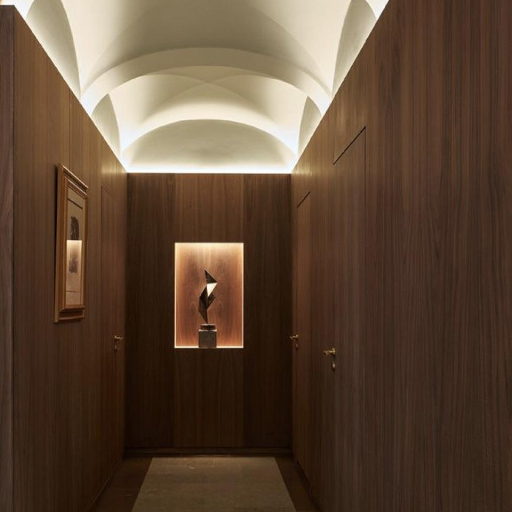
Wood veneer is an elegant and environment-friendly solution when it comes to enhancing the interiors at home. It is very effectively used for making gorgeous accent walls, making place airier and cozier and most importantly without the cost and weight that is associated of using solid wood. Besides, visually appealing wood veneer comes in varying shades and species making it possible for architects and home owners to explore potential options – going from minimalist modernistic looks all the way to homely and warm. There is a particular inclination in the use of such a material for shaping wardrobes and tables as it adds aesthetic appeal without breaking. There are new manufactured wood veneers which are also durable enough given that they are scratch and moisture proof especially suited for in such busy areas as the kitchen and the bathroom. Wood veneers have always found the right balance between practicality and aesthetics and continue to inspire and enhance contemporary as well as traditional interior decoration.
A Casual Piece of Reclaimed Furniture
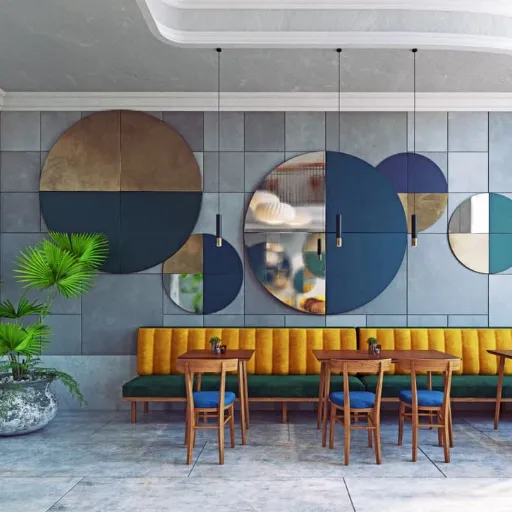
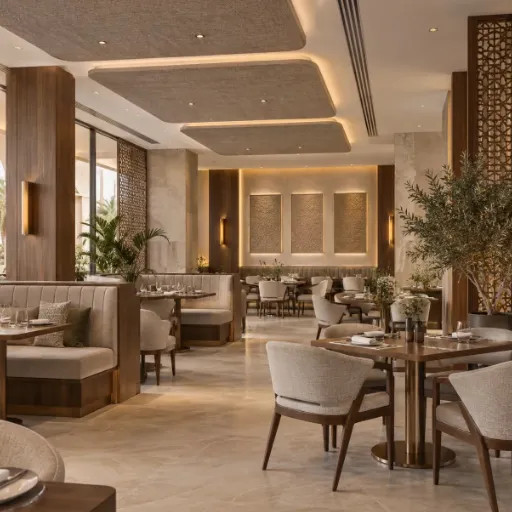
A custom reclaimed wood wall makes a permanent impression on a room. Extending the indoors into the natural surrounds is also possible through the use of natural wood or excellent veneer panels, that bond effortlessly. These can be used in different variations in room decoration, provided through different colors, textures, and even designs hence allowing the homeowners and designers to come up with an appropriate theme, for example, contemporary with a minimalist look, etc. More than its decorative purpose, the use of wood wall panels is also very practical, for instance, it serves as heat or sound insulator. Technological advancement providing greener wood products presents them as an attractive alternative especially with the sustainable consciousness in the scope of design. Exclusive decorative element or full area coverage, design wood panels provoking many functional uses and are impressive looking, warm ambience spaces.
All Types of Spaces Decorative Wood Paneling
As a person who has experience in use of paneling, I would say that wood paneling is very eye-catching and can give a new look to any room, when used appropriately. Panels made of wood are generally suitable for lounge areas. This is because they usually give a soft feeling into the room they are used. By adding panels to an existing wall’s design, one can Integrate bold colours or ways of different paint finishes and also portray sense of layers. What has also emerged is the use of slat walls as one of the newest ways of introducing wood into rooms. which not only enhances the appearance of these rooms but also makes the spaces more functional, as these designs contribute in sound insulation-most appropriate for such rooms as the media room or a warm and comfortable lounge. Moreover, there is a wide range of reclaimed wood panels which have started to gain more popularity characterized by the scratching surface which comes with the history and reminiscences of the wood and the nature of its environmental friendliness.
An absolute must while engaging in remodelling or home building process carrying out activities is the use of wood panels in the construction of a kitchen or bathroom, preferably with materials that can withstand moisture for a longer period. According to the information from my sources, the usage of humidity-treated boards or engineered-wood-based materials in these areas ensures maintenance and structural integrity. It is likely that shiplap walls in a kitchen will produce the effect of a rustic farm house and lined, vertical wooden clad walls will produce a sophisticated effect in the bathroom. How’s that for flexibility! By the way, which sign of wood should be used when designing the kitchen in relation to the finishing and so on – such questions will often be relevant with general tasks.
One of the most creative uses of wood paneling I’ve observed is within the confines of office or work settings. Wood paneling certainly has the possibility of making the workspace a more professional looking one, and assists in enhancing concentration and effectiveness. Moreover, installation of bright modern wood panels on walls or ceilings also helps to elicit brightness while still maintaining the dignity of the room. The wide range of finishes varies from matte, glossy to natural, all of which can be manipulated to meet homely or rather corporate requirements. In all settings, whether commercial or residential, means of achieving a beautiful outcome would be to anchor the wooden walls in an emerging and contemporary style by comparing them with other materials such as glass or metals.
Exploring a Wide Range of Finishes for Wood Panels
Choosing the Best Surface for Finishingthe Your Wood Veneer Panels
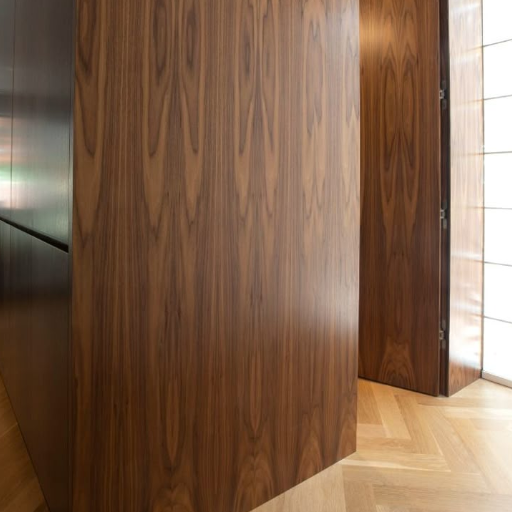
While selecting a suitable surface finish for wood veneer panels, one should analyze the functional and esthetic aspects of the room. Matte finish tends to help making room look calm and quite, helping in avoiding dazzling reflections and keeping the aesthetic of the room intact. For sireny finish and the sense of elegance, try using. High-gloss finish can be, it reflects the light rather than the matte one and is even more preferable. Natural finishes however offer enhancement for the look. preserves the original texture and warmth that makes them good partners, for shabby chic or even organic design. Another important factor in finishing is making sure that the finish applied is appropriate for its intended use as well as the entire design, thereby causing fewer losses and dispensing damage while keeping the room neat and desirable in an effortless and more polished way of presence.
Factors to Consider When Selecting Wood Sealer
The first step I take in selecting wood sealant, paints, or even stains for every work is reviewing the nature of the surface and its utilisation. When it comes to stains, I prefer those that expose the original image grain but at the same time, protect the wood from scratches. Namely, the formulas of oil based products usually perform better with regards to penetration and finish, but there is that factor of drying faster in their water borne counterparts. With this in mind we are fully aware of the need for colors and finishing coats be it transparent, slightly transparent or full colors thus playing an important aspect on the selection.
When painting, permanence and making sure a smudge marks the wall are the main concerns. As I explained, the most suitable are decorative coatings, acrylic enamel or latex materials with adequate covering power, adhesion and that will not get broken badly by moisture or direct sunlight. Acrylic and latex paint may be used for both indoor and outdoor purposes as they are user friendly. As an Artist, acrylic and latex paints are more suitable for exterior and interior walls or wooden surfaces. I would consider whether a matte, satin, or glossy finish would be more appropriate depending on the desired effect. In the end, the surface has to be prepared comparatively before painting to ensure that the colored layer becomes a part of the surfaces and wouldn’t go off in the course of time.
Sealants Repair: Principles and Completion As on any site, means used especially in open or exposed situation, very often with increased moisture, direct sunlight, people’s handling, etc., there are humanoid seals. In the wear and abrasion areas, mostly so called polyurethane sealants are utilized due to their hardness as well as scratch resistance, while natural components like linseed or tung oil would be applied for ecologic, traditional appearance. A decision should be taken whether an exterior or an interior sealant should be chosen primarily with a view to protect the material from a harmful impact of the environment. In a greater sense, all of these choices must be connected to practical objectives and future concept of the project to create a robust and visually appealing outcome.
Strategies for Resistance Enhancement: Surface Finishing
The concern for longevity of any finishing coat is legible, as it calls for the right preparation, choice of raw materials and methods of application. Treatment of the surface is where everything begins, needless to notice, that it should be clean and free from dust as lightly sanded surfaces help in holding the sealant or finish closer. Using latest sealants and finishes, such as for example polyurethane, or epoxy resins, provide almost indefinite protection against wear, exposure to UV light, or dampness. Furthermore, it is advocated to apply several thin coats of varnish at a go instead of one heavy application. This entails that the coating will be smooth and unless disturbed will not break or become loose. For outdoor activities it is essential to include in the formula such elements as UV protection and also various additives that prevent the negative impact of bad weather conditions. Lastly maintenance practices have to be observed, and more precisely some maintenance practices are enhanced such as re-coating when necessary so that the deterioration of the coating is prolonged and the surface is maintained in the same aesthetic condition for long durations.
Reference Sources
The Determination of Adhesion Strength of Wood Veneer and Synthetic Resin Panel (Laminate) Adhesives
Source: woodresearch.sk
Link: https://www.woodresearch.sk/wr/201002/13.pdf
Relevance: This study examines the adhesion strength of wood veneer and synthetic resin panels, providing insights into their durability and applications.
Experimental Research on Mechanical Properties of Laminated Poplar Wood Veneer/Plastic Sheet Composites
Source: wfs.swst.org
Link: https://wfs.swst.org/index.php/wfs/article/view/2862
Relevance: Explores the mechanical properties of wood veneer and plastic sheet composites, highlighting their structural applications.
Wood-Based Composites and Panel Products
Source: research.fs.usda.gov
Link: https://research.fs.usda.gov/treesearch/7157
Relevance: Provides an overview of wood-based composites, including veneer panels, and their manufacturing processes.
Frequently Asked Questions (FAQs)
What makes wood veneer panel wood paneling different from solid natural wood?
Essentially, wood veneer paneling involves employing an adhesive to stick a normal wood layer onto another material like MDF. This way, one gets to keep the original texture of wood without it being too expensive or heavy from actual wood boards. Veneer incorporates the real wood pattern and can also bring out the finest perfectly cut out greater wood species for instance, walnut or oak veneer. As such, the risk of warping is eliminated as this process single mail provides a more stable construction many other types of wood products. In other words panels are made of lightweight and can be used for large wall surfaces both in domestic and commercial interiors. It can be seen that synthetic panels are effective for decorative purposes and have certain advantages in performing over other wood materials such as natural forms. Over natural wood, this gives the finished surface a bumper feature or whole room where instead of appearing bulky and artificial.
Do you think even a novice carpenter could pull off installing wood veneer panels effectively?
In many cases, installing premium wood veneer panels is quite simple, the foundation of which is in the installation itself, due to the existence of such options as the tongue-and groove or adhesive-backed systems. Also in such guides, such details can be seen as the use of a laser level or construction adhesive necessary to do the installation which most times requires to go around the interior of the house and work on the walls. Generally, the panels come as per sizes, so that it is not difficult planning as they are lightweight and are mostly composed of MDF rather than very heavy solid timber. Successful finishing comes if the window and finishing suggestions are followed. Speaking of the living room or home theater, knowing how to do basic carpentry is enough to fill the room with feature walls.
Do you think that installing wood wall paneling will help improve acoustics in home theaters or commercial spaces?
There are different wood paneling products which can also be used as acoustic panels or soundproofing, which makes it possible to combine the interesting look of a wooden finish with sound enhancement. In doing this, such as tambour wood panels and decorative wood slat systems, it is possible to construct both pieces of wood into ones with acoustic performance but maintaining the wood feel and style. Cloth or sound cloth can be applied where the wall needs to be covered by the panel of this nature. Better office space, enabled with the protection of energy absorbing systems for when the panels are in place, would for sure benefit from such arrangements. Layers of this sweetener would make installing the panels in home, cinema or office walls and rehearsing near the gyms with high music levels less hellish.
Why is it important to consider the type of wood and the use of treatment to enhance the interior?
In regards to floors as wood species like walnut or oak veneer, the choice of tone will be determined by the type of raw wood and the look and feel of the entire design. Walnut is the best wood species that is available in all the rich deep colors with delicate lines along the grain, on the one hand. Oak veneer is less expensive as compared to walnut and offers a relatively plain but soft metallic finish that is suitable for almost any kind of design, from broaching to modern. It is important to de…light, medium or dark… particularly if there is a texture to apply on raised grain. However, there are also other more striking uses of the same- from the honest weathered look of salvaged panels to the sophisticated veneer panels with a seamless match pattern over areas. Although, the feature wall is topped so that the original can design is enhanced rather than drawing focus from the wall itself.
Can the use of re-claimed wood panels or veneer made from sustainably sourced timber be a feasible application in residential or commercial designs?
New wood may not be appealing to some people, yes not composites or other inexpensive materials, but whether it is exposure to blush-touched tones brought about by sanding or even dog-chewed edges, those people long for examples that express that ‘real’ aged wood looks must be dressed in generous quantities in any given project. This is where responsible timber sourcing and the use of premium wood wall panels comes in. This offers all the warmth and aesthetics of wood, more so it only uses the trunk of the tree, thereby protecting the beneficial effects of harvesting. The panels have diverse dimensions, types of materials, colors, and appearances to suit various markets, and likewise, many manufacturers pay particular attention to the use of environmentally friendly materials. As regards such materials’ interior application, there is an interesting alternative – veneer-engineering panels for walls. Whether you have worked with available materials or have especially ordered those, having this range, experts say, would laisse les tristes et give you infinitely esthetic materials imposing more strict maintenance requirements than usually mass stocks are going to provide.
Categories:
Blog
Tags:
Design & Inspiration
Related Articles