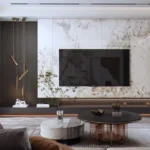
Improving Acoustic Performance with Baffle Ceilings and PET Panels
The design of spaces needs to achieve perfect sound performance because it creates environments which people can use for their designated purposes while finding pleasure in their presence. People experience disturbances and work efficiency decreases and they feel physical unease because of extreme noise levels which occur in offices and classrooms and commercial buildings. Baffle ceilings and PET panels serve as contemporary design solutions which tackle sound issues through their stylish appearance and their efficient performance-based design. The blog demonstrates how these materials create exceptional transformations for your space through sound improvements and aesthetic enhancements and environmental sustainability achievements. The article explains how baffle ceilings and PET panels create a fundamental change in acoustic design.
Understanding Baffle Ceilings
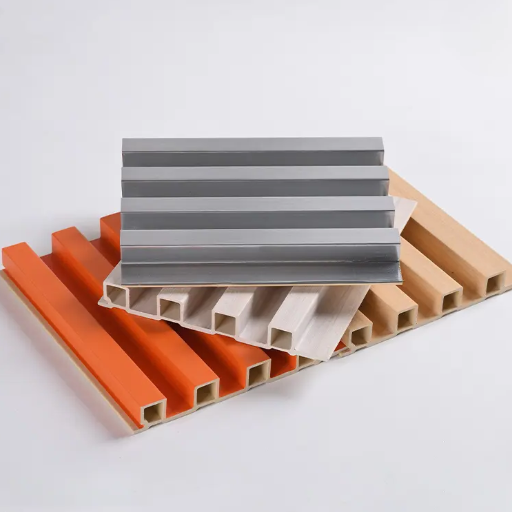
What is a Baffle Ceiling?
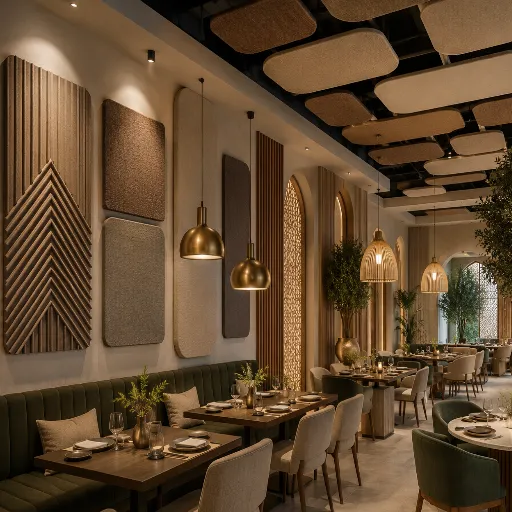
A baffle ceiling is an architectural feature that uses suspended panels which can be either vertical or horizontal. The panels, which people often create from wood and metal or acoustic felt, use their specific spacing to achieve sound absorption and sound diffusion. A baffle ceiling functions as an acoustic control system which decreases sound disturbances and echo effects to produce a better sound experience in a space. Baffle ceilings provide acoustic advantages, and they also create a contemporary visual appeal which architects use to improve commercial and educational and public area designs. Many baffle ceilings use materials that remain eco-friendly because they can be recycled, which supports sustainable design principles. The combination of acoustic performance and aesthetic appeal with sustainability makes these materials a preferred option for modern architectural design.
Benefits of Using Baffle Ceilings
Improved Acoustics: Baffle ceilings serve as effective sound control systems which eliminate echoing and manage noise levels throughout the entire area. The system performs best in environments such as offices and schools and auditoriums which require precise sound management. The baffles are placed strategically throughout the space to capture sound waves which they will then distribute throughout the room to create better sound distribution.
Enhanced Visual Appeal: The design flexibility and material selection of baffle ceilings provide an exceptional method to achieve a contemporary and polished and energetic aesthetic. The design elements can be modified through different color options and size specifications and shape variations which will enhance the building’s architectural character while becoming a main design element.
Sustainability: The majority of baffle ceilings use sustainable materials which include recycled metals and sustainable wood to promote eco-friendly construction methods. Certain products also obtain green building certification through their design which helps decrease their environmental impact.
Easy Maintenance and Accessibility: Baffle ceilings use lightweight modular systems which enable simple installation and straightforward cleaning and maintenance processes. The design provides unrestricted pathways which enable users to reach the overhead space which contains lighting fixtures and HVAC systems and other utilities.
Versatile Applications: Baffle ceilings find extensive use in corporate offices and public buildings and hospitals and recreational facilities. The system provides both functional requirements and visual appeal which makes it suitable for use in multiple business sectors. Baffle ceilings remain the top choice for modern design because they combine visual elegance with their essential operational features which create comfortable and sustainable and stylish spaces.
Materials Used in Baffle Ceilings
Baffle ceilings need various materials which fulfill both visual appeal and practical needs. People commonly choose aluminum and steel because these metals provide strong yet lightweight materials which require minimal upkeep. Designers can select from multiple powder-coated and anodized metal finishes which include different colors and design options. Wood finishes and wood-like materials such as veneers and laminates create a natural aesthetic which designers use to develop classic and organic design spaces. Baffle ceilings use acoustic panels made from high-density fiberboard (HDF) and mineral fiber to achieve sound absorption which protects large public spaces from excessive noise. Designers now select recycled materials and sustainable materials like composite panels and reclaimed wood because these materials achieve both aesthetic appeal and environmental protection.
Acoustic Performance of WPC Baffle Ceilings
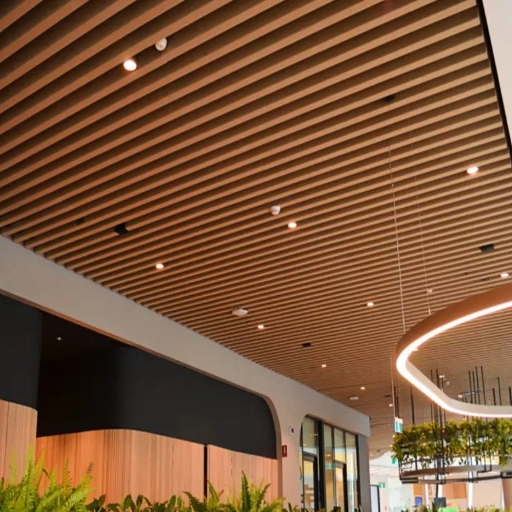
How WPC Baffle Ceilings Enhance Sound Quality
WPC baffle ceilings improve sound quality through their ability to control sound waves that travel throughout a room. The system creates a special configuration which allows sound waves to spread evenly through the space while decreasing both echo and total sound levels. The design of WPC baffle ceilings uses sound-absorbing materials which enable the system to control disruptive frequencies while creating a balanced auditory experience through its acoustic treatment. These ceilings work best in spaces which need clear sound like auditoriums and conference rooms and open offices. The product provides both functional benefits and visual attractiveness through its modern design which delivers acoustic performance.
| Comparison Feature | Fiberglass Panels | WPC (Wood Plastic Composite) |
|---|---|---|
| Acoustic Advantage | Reduces reverberation and echo via porous structure. | Provides superior sound control and diffusion. |
| Application Environment | Recording studios, theaters (advanced control). | Modern architecture, commercial spaces (aesthetic focus). |
| Structure | Dissipates energy through sound trapping. | Balanced auditory experience via architectural treatment. |
The distinct acoustic characteristics of fiberglass and WPC (Wood Plastic Composite) materials enable their use in various applications that depend on specific project requirements. The sound absorption capabilities of fiberglass serve as its main advantage because it reduces both reverberation and echo sounds which occur in various spaces. Sound waves get trapped by its porous structure which causes sound energy to dissipate. The material serves as an essential component in spaces that require advanced sound control systems used in recording studios and theaters. WPC provides a distinct set of acoustic advantages through its unique sound control properties. WPC demonstrates superior sound control of building materials through its excellent sound absorption properties although fiberglass provides better sound absorption. WPC baffle ceilings function as architectural elements which protect users from disturbing sounds while improving the overall visual appeal of modern architecture. People should choose between fiberglass and WPC based on which material better meets the demands of their particular space requirements.
Noise Reduction Techniques Using Baffle Ceilings
The first method to reduce noise pollution requires the correct installation of baffle ceilings which need to be strategically positioned for maximum sound absorption. Baffles need to be installed at different heights and angles because this installation method creates sound barriers which decrease echo and reverberation effects. Modern designs use perforated panels and slotted panels which create additional surface area that enables better sound absorption and enhanced acoustic performance. The combination of fiberglass materials with wood-plastic composites creates a product that improves both the sound performance and visual appearance of the ceiling system. The latest methods help offices and auditoriums and public spaces achieve exceptional sound quality while their visual design remains intact. The sound absorption coefficients which scientists can measure show how these methods effectively improve modern acoustic design practices.
Design and Aesthetic Appeal
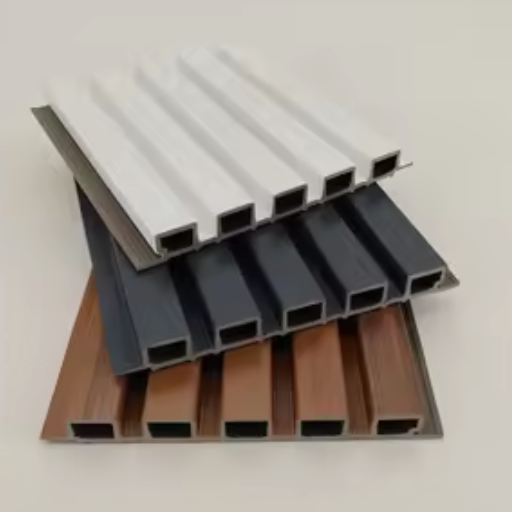
Modern Design Trends in Baffle Ceilings
The current baffle ceiling designs of today establish a unified design which achieves both functional requirements and aesthetic appeal. Architects and designers are increasingly exploring innovative materials such as sustainable wood alternatives, recycled metals, and advanced composites to create eco-friendly designs. The ceiling systems offer design freedom through their customizable finishes which include wood grain patterns and vibrant colors and textured surfaces. Baffle ceilings gain both functional benefits and artistic value through their ability to connect with lighting systems that include LED strips and diffused lighting panels. The current advances in modular frameworks create a system which allows for simple installation and maintenance work which makes these ceilings suitable for extensive projects and building renovations. The present-day baffle ceiling design trends find their foundation in three elements which include technological advancements and environmentally sustainable practices and artistic design methods.
Decorative Options for Baffle Ceilings
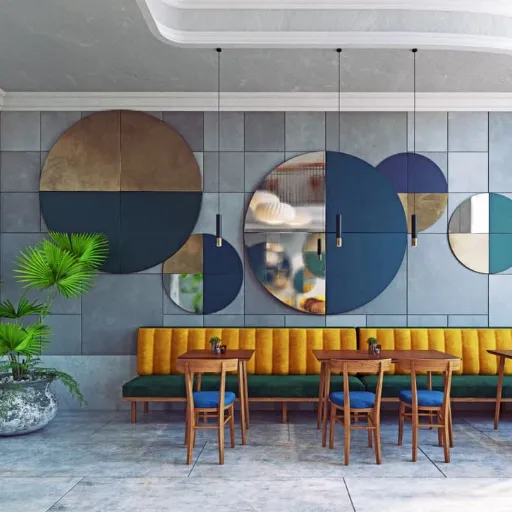
Baffle ceilings provide architects and designers with multiple decorative choices which enable them to achieve both functional and aesthetic design goals. The selection of materials which includes wood and metal and acoustic fabric finishes creates limitless design options which match different interior design styles. Wood baffles introduce a natural aesthetic which creates a warm atmosphere, while metal baffles deliver a contemporary industrial appearance that fits modern environments. The use of custom colors and patterns together with design elements, gives designers the ability to create different, tailored design solutions for their projects. The visual appeal of ceilings increases through the use of lighting effects, which include backlit panels and color-changing LEDs, that create artistic visual centers. The decorative options in this collection enhance the room’s atmosphere, while they transform ceilings into essential architectural components.
The process of implementing Baffle Ceilings within indoor environments. Baffle ceilings have become a preferred architectural solution because they improve both the functional and aesthetic qualities of indoor environments. The design of baffle systems enables effective sound absorption which makes them suitable for large spaces that include offices and educational institutions and commercial facilities which require acoustic control. Baffle ceilings provide sound management benefits while improving airflow patterns and light distribution throughout spaces to achieve better energy efficiency and user comfort. The product offers multiple design options through its ability to modify both spacing and angle and finish elements according to various design needs. Baffle ceilings work with both modern minimalist spaces and bold avant-garde designs because they provide aesthetic value and functionality which designers require for groundbreaking interior design work.
Installation of Baffle Ceiling Systems
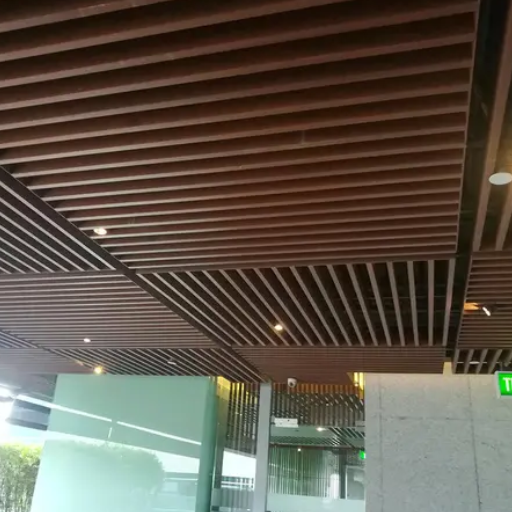
Step-by-Step Guide to Installing WPC Baffle Ceilings
- Plan and Measure: Before starting work, I need to clean the ceiling space and measure the exact dimensions which will receive the baffle ceiling. The layout needs to be designed because it establishes two essential functions which include panel distance measurement and panel placement verification.
- Prepare the Installation Framework: The framework serves as the structure’s backbone. I typically establish a grid using either metal or wooden battens which depends on the specific needs of the ceiling design and project requirements. The framework needs to achieve both level positioning and secure attachment to the substrate.
- Cut and Organize the Panels: I create baffle panel cuts according to required dimensions by using a saw or cutting tool which works with WPC materials. The installer needs to measure each component twice while creating installation labels which will simplify the installation process.
- Attach Hanging Components: I attach adjustable hangers and brackets to the framework of suspended ceilings to create a support system which will hold the baffle panels. The components provide me with the ability to change height while creating a symmetrical appearance. The design permits direct attachment of mounting brackets to either the framework or the wall.
- Install the Baffle Panels: The WPC panel installation process starts with me attaching WPC panels by sliding or screwing them into existing brackets while I maintain correct panel distance through systematic panel installation. I perform small adjustments to reach complete alignment while I use a level instrument to verify straightness.
- Finishing and Inspection: I conduct a complete ceiling inspection after the installation process ends to verify all components remain secure while maintaining proper visual appearance. I proceed to clean the panels when necessary to eliminate dust and debris which accumulated during the process. The addition of decorative elements and finishing components which include end caps and trims will create a refined appearance for the ceiling.
Common Installation Challenges and Solutions
The process of installing a WPC baffle ceiling system can lead to difficulties which need to be solved through proper project preparation and knowledge of upcoming challenges. The first problem which needs to be solved involves achieving exact panel alignment. The aesthetic value of a space gets diminished when panels become misaligned because this defect results in the loss of architectural balance. The installation process requires the use of a laser level together with full measurement verification to achieve accurate alignment. The process becomes difficult because workers need to handle surfaces and ceilings that have different heights throughout the building. The installers need to first complete ceiling inspections before they can make installation progress because they must perform all necessary ceiling adjustments which include leveling and supportive framework installation. The upcoming situations that involve restricted access to ceiling spaces for electrical wiring and ventilation systems will need special solutions which include modular panel designs that permit simple removal. The WPC material requires proper acclimatization and sealing before installation in humid environments because these two processes are essential to prevent warping problems. The installers can achieve an efficient installation process by using advanced tools and techniques, which also help maintain ceiling durability and visual appeal throughout the project.
Maintenance Tips for Long-lasting Performance
WPC ceilings require simple maintenance procedures which enable their aesthetic beauty and structural strength to remain intact for multiple years of existence. The first step to achieving long-lasting results in my experience requires businesses to perform cleaning activities at regular intervals. I recommend using a soft damp cloth to wipe down WPC ceilings because they will accumulate dust and grime throughout the years or I suggest applying a mild cleaning solution. The use of abrasive cleaners and tools must be avoided because they create a risk of surface scratching. The second essential maintenance task requires operators to inspect their equipment for indications of water damage and sealant deterioration whenever they work in humid conditions. WPC material exhibits moisture protection but extended contact with high humidity levels will result in minor structural damage. I inspect the sealing at regular intervals to ensure its complete protection and I will reapply it when needed to maintain defense against damage. The process of cleaning visible stains requires immediate attention because their existence will lead to permanent damage. I want you to focus on external elements which include temperature variations and ultraviolet light exposure. The installation of WPC ceilings requires UV-protective coatings in areas with high sunlight exposure and windows because they improve the material’s durability. The life and aesthetic appeal of WPC ceilings extend through regular inspections and these protective measures which ensure their ongoing ability to match the interior design of the space.
Applications in Different Settings
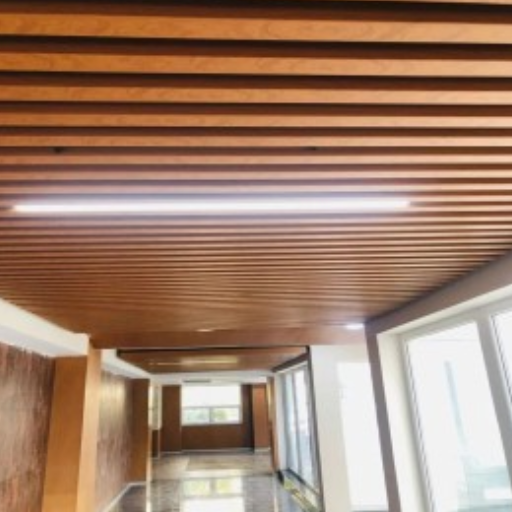
Office Spaces: Enhancing Productivity with Acoustic Panels
Modern office spaces now require acoustic panels because these panels create soundproof areas which help workers achieve higher productivity levels. The panels achieve sound reduction through their capability to absorb sound waves, which results in decreased ambient noise, and enhanced speech understanding during meetings, and team work activities. Offices that use acoustic panels report that their workers experience increased concentration ability and improved communication skills. The product offers multiple design options together with different material choices which enable its complete matching with office design requirements as it serves its intended purposes. The use of panels made from sustainable materials establishes an environmentally friendly solution which supports green building practices while helping businesses to enhance their productivity and work environment quality.
Hotels and Restaurants: Combining Aesthetics and Functionality
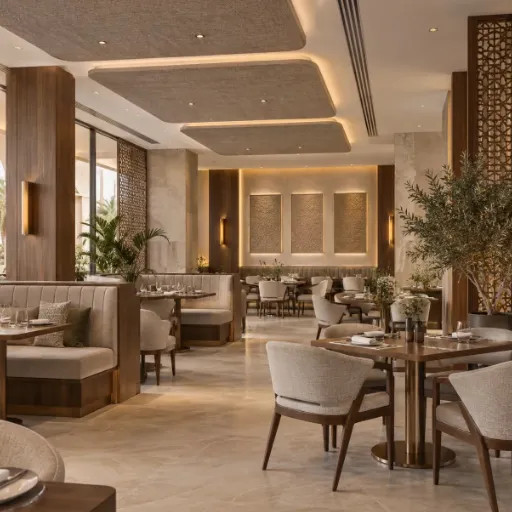
Acoustic panels play a crucial role in creating hotel and restaurant environments because they combine their visual appeal with their operational capabilities. The panels work throughout dining spaces and lobby areas to control disruptive sounds which helps create tranquil spaces that guests can enjoy. Acoustic panels now provide modern design solutions which operators can tailor to their specific requirements while matching their venue’s design elements. The use of panels in private dining rooms and event spaces establishes an ideal environment which enhances both spoken dialogue and musical performances. Businesses can achieve successful sound control while maintaining eco-friendly practices through their use of sustainable material options which meet current environmental standards in the hospitality sector.
Residential Use: Creating a Peaceful Home Environment
Soundproofing panels create a peaceful home environment because they block noise from entering indoor spaces. Modern designs provide homeowners effective solutions which decrease outside sounds from traffic and neighborhood activities while they restrict sound transmission throughout their home. The panels come in multiple design options which match different interior design styles while still serving their intended purpose. The latest developments in soundproofing technology enable these panels to improve comfort levels while creating healthier living spaces which support relaxation and better sleep.
Reference Sources
-
Thermal and Acoustic Insulation Properties of Wood Plastic Composites (WPCs) for Interior Housing Applications
Source: link.springer.com
Link: https://link.springer.com/article/10.1007/s00107-022-01897-1
Relevance: Explores the acoustic and thermal insulation properties of WPC boards, highlighting their potential for interior applications.
Characterization and Vibro-Acoustic Modeling of Wood Composite Panels
Source: MDPI
Link: https://www.mdpi.com/1996-1944/13/8/1897
Relevance: Focuses on optimizing the sound insulation performance of WPC panels through vibro-acoustic modeling and analysis.
The Acoustical Analysis of Insertion Losses of Ceiling Materials
Source: ppaspk.org
Link: https://www.ppaspk.org/index.php/PPAS-A/article/view/445
Relevance: Analyzes the sound absorption properties of ceiling materials, including suspended baffles, for effective noise reduction.
Frequently Asked Questions (FAQs)
What creates an ideal acoustic ceiling solution through high-quality WPC baffle ceiling systems?
The high-quality WPC baffle system combines composite WPC timber aesthetics with engineered acoustics to provide a durable and stylish ceiling solution, which works in both contemporary and traditional interior spaces. The panels display a timber tube or louver-style baffle design, which produces visual depth, while the design delivers a contemporary minimal aesthetic and enhances sound control for auditoriums and office spaces. The material requires less maintenance than natural wood, while it maintains its shape, which results in durability throughout its entire lifespan. Manufacturers create products which function in semi-outdoor and humid conditions because they develop waterproof systems that customers can easily suspend. The high-quality wpc baffle system enables designers to create stunning architectural elements, which function as practical solutions, for ceiling designs.
How does the design of the baffle system affect both sound performance and visual appearance of the space?
The design of the baffle system determines how sound performs in the space and what visual elements it creates because the system’s part legislation includes spacing and depth and tube shape dimensions. A 3D or louver configuration can enhance sound scattering while adding contemporary style and warm timber-like texture, offering a stylish yet functional decoration. Designers can choose from sleek PVC-look finishes or wood-grain composite options to match interior craft and architectural themes. The right design balances acoustic function with minimal visual clutter, ideal for open-plan commercial settings or intimate auditoriums. The total design flexibility of the system enables designers to create stylish solutions which provide proper sound management.
Are WPC baffle ceilings the right solution for locations which experience outdoor conditions and high humidity levels?
Many WPC baffle ceilings achieve waterproofing because their composite materials provide superior moisture protection compared to standard wooden materials which makes them appropriate for both outdoor use and wet area applications. The plastic-like properties of WPC and PVC variants stop panels from swelling which maintains their original shape as humidity and temperature levels change. This makes them a practical ceiling solution for poolside pavilions, outdoor corridors, or bathrooms where traditional timber would fail. The quick installation process combined with their requirement for minimal upkeep creates a preferred choice in both residential and commercial building projects. Manufacturers should provide details about their outdoor performance metrics and warranty terms which need to be verified before installation work begins.
What should I consider about durability, warranty, and maintenance when I buy WPC baffle ceiling panels?
The warranty details and manufacturer durability information must be reviewed before purchasing WPC baffle ceiling panels because these elements determine product performance and defect protection. The composite materials should display strength together with protection against ultraviolet radiation and moisture and deformation because these characteristics create a ceiling which requires minimal maintenance. The panels maintain their appearance through basic maintenance which requires users to wash them with soap and water and their plastic or WPC timber surface eliminates the need for staining or sealing. The project requirements can be fulfilled by comparing warranties and delivery options to determine the optimal combination of price and coverage. The manufacturer provides installation guidance which helps users achieve proper fit while protecting their investment.
Can WPC baffle ceilings be customized for commercial projects like auditoriums or retail stores?
The WPC baffle ceilings function as highly customizable systems which serve commercial environments through their ability to produce different lengths and color options and various design profiles. Architects choose timber tube and metal-look finishes to create acoustic and visual effects which suit both modern and classic design styles. The system enables quick installation through its modular components which allow suspension and baffle ceiling partitions that create separate areas without using solid walls. The system enables architects to design large spaces which maintain their structural integrity while delivering an attractive and permanent result. Fast delivery and online ordering from many manufacturers make scaling up for big commercial projects straightforward.
Categories:
Blog
Tags:
Design & Inspiration
Related Articles