Understanding Fire Ratings and Weather Resistance in WPC Panels
Introduction to WPC Wall Panels
What are WPC Wall Panels?
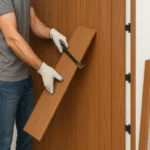
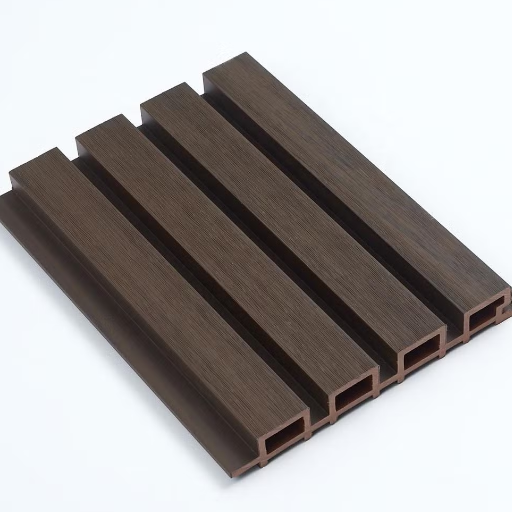
These are wall panels in the manner of composite materials that are either wood fiber composites of thermoplastics bound together with additives for enhanced service. It is non-absorbent, does not require regular painting like wood and looks similar to natural wood. Panels are way easier and quicker to install than wood planks since they have pre-attached all of the technology for joining, decorations etc. And finally, they do not bend, twist or get damaged by water. Usually, these advantages are not realized when in situ because the top layer of paper is sensitive to sudden changes in weather. But this is not the case with wall panels because of the ease of removing and installing them in new places. jsonResponse and showcases the benefits of WPC wall panels in architectural designs.
Using WPC for Exterior Cladding: Pros and Cons
External cladding materials plays an increasingly important role in any modern construction and renovation projects. WPC offers enhanced performance over its alternatives, able to withstand direct sunlight or rain and frost. There is no need to mend, varnish or reseal the material which can be costly and extensive process in the case of using traditional materials.
Moreover, the use of WPC exterior wall cladding system greatly helps in addressing heat insulation issues, thus ultimately improving the usefulness of buildings. Additionally, such exteriors are specifically designed to prevent the occurrence of issues such as damp, mould, mildew and water damage thus making them suitable for usage in high humidity or coastal areas. Being available in various patterns and colours, the WPC Exterior Cladding looks like a real wood with better durability and productivity. Besides, it is a nature-friendly material, it is strongly resistant to shrinkage and damage, which makes it profitable in terms of the life cycles of both private and office buildings used for housing and/or business purposes.
Differences between WPC and traditional materials
In comparison, traditional building materials namely, natural wood and metal have unique qualities that differ from those of WPC. WPC has many advantages over the other two, particularly in long-term use as it can resist rot, warp, and termite damage which is the most common problem with real wood. Moreover, traditional wood needs regular coating maintenance painting, sealing or other treatment while this is not with WPC.
WPC, environmentally supportive by nature, absorbs wood flour and other industrial wastes, such as plastic, which decreases the impact on waste generation. However, wood sometimes faces a sustainability problem as its indicated potential has some root of forest depletion. Metal, for example, is long-lasting and requires little care but suffers from rust or corrosive conditions tailored to certain properties, and so in wet or coastal regions, WPC is a more stable option. In addition, the versatility of WPC makes it possible to use natural patterns in design without having to worry about damaging effects of weather or processes such as wear. These elements have not made WPC simply less attractive, but a lower – risk – and environment friendly, innovative material of the 21st century that caters to both functionality and aesthetics.
Understanding Fire Ratings
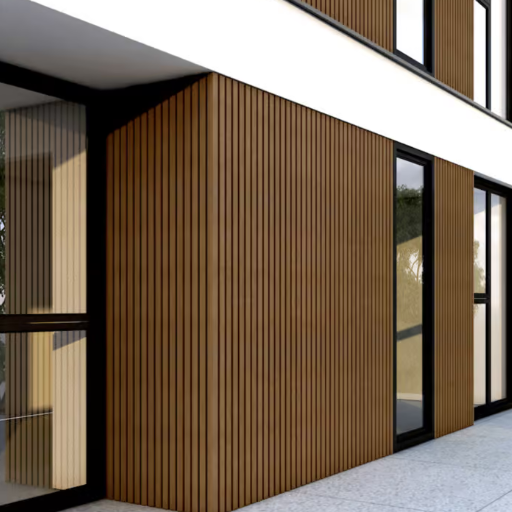
What does Fire Rating deal with?
Fire rating is a classing system that measures how resistant, in the event of fire exposure, a material, a structure, or an assembly is. Words have it that in most cases, it is talked about in certain periods – for instance, about 30, 60 minutes or even more – which shows the ends of the material or the constructions not burning and behaviors not propagating fire having emerged in particular due to some type of testing. For fire ratings, it has no exceptions to guarantee the safety of people. This is particularly the case in construction, where fire ratings are used to help architects and builders identify materials that would enhance fire safety and adhere to the rules that are enforced in the construction sector. Once more, these elements are obtained through careful tests that are carried out by regulatory agencies whose objective is to come up with consistent and strong approach to safety.
The Significance of Fire Safety Standards.
Standards outlining fire safety measures in buildings are very important in that they help to safeguard people’s life and their property, and layout how fire is prevented, detected, and controlled. These standards make sure that materials and construction meets certain criteria and are reviewed accordingly to reduce accidents that may happen due to fire. Studies and scientific research into soothing effects of nature have been surpassed only by the efforts to improve the living and working environments through the application of supplementary technologies of which the fire technology is one of the most crucial aspects. In addition to that, compliance with fire fighting rules stresses responsibility for the developers, architects, and manufacturers, as they are responsible for developing the buildings safely in accordance with laws and rules. Therefore, the working fire regulations and laws are continuously reviewed and upgraded in order to handle the changing times, to use the new technologies and to deal with the new challenges fronting the organized approach towards fire prevention.
On the Determination of Fire Classification
Fire subrating is a process highly systematic in operation and designed to fill the performance of materials and systems in the face of fire. These evaluations utilize materials and full-scale structures exposed to controlled samples that replicate the ‘real’ fire situation. Also, things like how the materials respond to ignition and spread of flames, conduct of heat and strength at elevated temperatures are also identified. One of the very common methodologies, which is applicable in a number of instances, is subjecting materials or assemblies to a fire test. In such situations materials or assemblies are put to tests with method in which they are exposed to a fire under certain conditions like those in ASTM E119 or UL 263 respectively. The purpose of the test is to determine how long the materials of a building will last without falling apart or allowing fire and heat to extend to an adjacent area. Factors of construction like the materials’ types and ratio, thickness of protective and insulation layers, are useful for estimating what sort of fire rating the building will have. Also, improvements in technology and the development of models have made the creation of realistic models of fire behavior possible, which, in turn, has increased the accuracy of ratings. These methods are extremely crucial in the amendment of building laws to enhance security as well as ensuring that building materials meet the classes of combustibility required for different classes of construction.
Fire Resistance and Safety in WPC Cladding
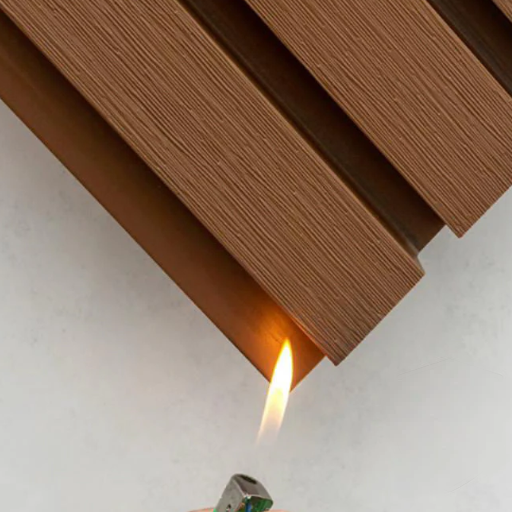
Fire Performance of WPC Wall Panels
As a result of the high degree of durability and adaptability they present, Wood-Plastic Composite (WPC) wall panels are often patronised in a variety of construction applications. As far as WPC wall panels and class E building materials are concerned, it should be noted that, there are several arising factors when examining burning characteristics, including structure, wood fibres and polymeric materials… These factors affect the heat of fire, igniting coins, flame-spread, and smoke evacuation methods. In many cases, existing WPC formulations carry fire-retardant enhancements, which are very effective in promoting resistance to fire by delaying the burning process and reducing the heat released. Laboratory tests and field surveys are used to assess key characteristics such as flame spread index (FSI) and smoke developed index (SDI) for the verification of criteria specified by safety standards. Additionally, using additives and coatings with fire-retarding properties enhances the safety of WPC wall panels and can be utilized for housing and commercial projects without fear of safety breaches. The continuous growth in the WPC technology enables making improvements in the safety of their construction while upholding the overall ease and resources needed to satisfy the needs in a number of areas with the same look.
WPC Fire Retardant Properties
Despite the increasing use of WPC materials, they are likely to be affected by flammability as any other building materials. This is the reason advanced WPC manufacturing procedures and the application of flame-preventing additives are recommended. In plentiful, WPC is clearly better than plywood or MDF, since it does not catch fire easily. This is more so, if the commercial timber used in WPC, has been treated properly. However, these processes are not entirely efficient as the demand for foamwood panels is still fairly low. Durability engineering and lifecycle cost considerations of WPC can become barriers to widespread use of WPC in structural and semi-structural applications. There are several ways of testing the flammability as well as propensity of combustion of different materials. One of those alternative methods is a fire propagation apparatus, which is extremely fast and provides more realistic than other methods, such as ISO 559, conditions. Nevertheless, they are not particularly designed for WPC hence a development of technical and scientific strategies of testing the reaction of WPC material to fire would be needed.
Assessment of fire safety performance
Evaluating the fire safety ftormance of materials, such as Wood Plastic Composite (WPC) requires a thorough examination of the materials under a controlled test environment. The evaluation evaluates such criteria as the level of ignition the material can undergo without giving way to the CO safety regulation, effective flame resistance of the material, amount of heat and smoke given off. Often, there are bears to cage type experiments in the laboratory that are constructed to determine the burning properties of the materials. Modernity allows the use of more efficient techniques and advanced testing technologies to obtain more accurate material performance generated from the specified test conditions and techniques. Thus, it can be used to help construction industry make environmentally respectful decisions on the selection of materials such as WPC for construction in buildings with high fire-safety requirements especially with regard to the safety of people and built environment.
Weather Resistance of WPC Exterior Wall Cladding
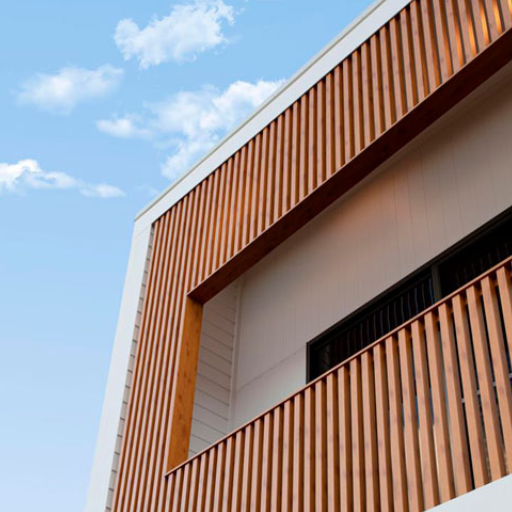
Weather-Proofing When The Going Gets Rough
WPC cladding outdoors is created to withstand any challenging weather conditions and boasts a good track record as such. The presence of wooden and plastic particles does not facilitate the effects of wetting on this product and consequently one shouldn’t fear problems such as decay of the material, texture change (swelling), or spatial inaccuracy of the material, as it is common in wood used. Additionally, WPC cladding is engineered with some of the most advanced UV inhibitors, which provide a resistance against degradation and color change due to long period in the sun. This implies that the color of WPC cladding will not be prone to fading even in extreme conditions for such products. For this reason, this cladding is also suitable for buildings located in zones with more intense climatic conditions, with strong ultraviolet waves to high precipitation and significant temperature changes. In such buildings, there is no doubt that the performance and the look of construction would be sustained for many years to come. Moreover, WPC cladding does not consume much of resourses as it is practically maintenance free which means that one does not need to go for frequent repairs or even replacements, making its existing market wider for the uses either at home or in business premises.
Influence of weather on fire safety
There are some weather conditions that have a high tendency of degrading fire safety due to these pushing the risks of fires upwards in a range of different settings. Thus, circumstances where very high temperatures and long periods of heat without rain also expose the environment to an increased risk of fire as all the available vegetation and bones turns into fuel. Strong winds further spread the fire over a wider area which poses challenges towards the confinement of the fire such that it becomes even riskier. On the other hand, intense rainfall and high moisture content reduces the board conditions for the ignition of wildfires, even though susceptibility of wet conditions to water damage on fire protection equipment such as lighting and water pipe systems is enhanced. Developments in the mechanization and information technology have come to the rescue, for climate change issues,for instance, have been of great help to forecast weather dangers includinff fire risks which hence would help in planning and managing catastrophes in normal or interior places.
WPC Decking shows its enduring strength through its performance assessment.
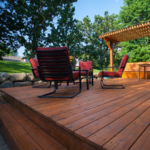
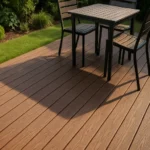
The material Wood-Plastic Composite (WPC) decking has gained wide usage because it delivers long-lasting strength and requires minimal upkeep while maintaining its visual appeal. The material WPC decking maintains its outdoor suitability because it provides complete protection against weather elements and water damage and natural deterioration over extended periods. The composite material which combines wood fibers with plastics provides superior protection against warping and splintering and rotting compared to standard wood decking materials. The development of new manufacturing techniques provides WPC decking with improved performance capabilities which include better UV protection and enhanced color stability. The modern WPC products maintain their original appearance while experiencing exposure to sunlight for extended periods. The production process includes additives which enhance the material’s ability to resist mold and mildew and staining in environments with high humidity. The research results demonstrate that proper installation work together with regular cleaning activities to help sustain WPC decking performance throughout its entire lifespan. The product requires very little maintenance but users should clean their outdoor spaces which includes both dirt and debris to achieve maximum product longevity and visual appeal. WPC decking serves as the perfect decking solution because it delivers both sustainable strength and extended service life while meeting environmental requirements.
Choosing the Right WPC for Your Project
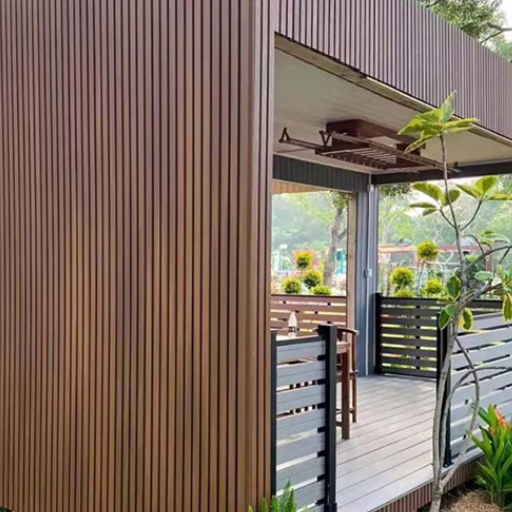
Key Factors to Consider
The selection process for my project WPC (Wood-Plastic Composite) requires me to evaluate multiple important elements which guarantee optimal project results. First, I look at the composition of the WPC material. The aesthetic qualities and durability of a product improve when its wood fiber content reaches higher levels and it uses high-quality plastic polymers. The product assessment begins with my investigation of its components which contain UV stabilizers and anti-fungal agents because these features enhance protection against sunlight exposure and moisture damage in areas with severe climate conditions. I will now examine all available design options and finishing selections. WPC decking presents multiple options because it offers different color choices and various texture possibilities and multiple grain patterns, which I must use to find the product that matches my desired design aesthetic. I need to determine whether the boards come with caps or without them. The capped WPC boards provide an extra protective shield, which helps them resist stains and fading and scratches, making them suitable for high-traffic spaces. The installation requirements will be my final consideration. The WPC products provide two installation methods because some options include simple clip systems and other products need expert installation, which will change my total project expenses. My decision-making process includes sustainability and environmental impact considerations. I investigate the use of recycled materials by WPC manufacturers because my sustainability requirements demand verification through FSC Forest Stewardship Council and other eco-label certifications. The combination of material attributes and design requirements and installation conditions and environmental certifications enables me to select the appropriate WPC material for my project which will fulfill all functional and visual requirements.
Rating Systems for WPC Wall Panels
I depend on established rating systems and certifications to assess WPC wall panels because these certifications determine whether the product meets my requirements for quality and durability and environmental sustainability. The fire-resistance rating serves as my most important benchmark for evaluation. The assessment of WPC panels evaluates their performance according to standards which include ASTM E84 and EN 13501 which assess both flame spread and smoke development. The selection of panels with superior fire ratings provides protection to residential and commercial environments which require adherence to building regulations. I assess the durability ratings which measure how well materials withstand various conditions including high humidity and ultraviolet radiation and extreme temperature changes. ISO 4892 and equivalent testing standards show that panels maintain their performance for an extended period in extreme weather conditions. The situation is essential for outdoor locations since panels face permanent contact with environmental conditions. The product receives testing for structural strength and safety through European CE marking and US EPA compliance certifications. Sustainability serves as a fundamental factor which I use to make my choices. The materials show environmental sustainability through FSC and PEFC certification and VOC compliance which helps create healthier indoor environments. The combination of all these ratings provides me with comprehensive information which I use to choose WPC wall panels that meet both practical requirements and environmental sustainability needs.
Future Trends in WPC Technology
The rapid development of the Wood Plastic Composite (WPC) technology in recent years has been a results of the growth that such technologies as materials sciences and sustainable practices have undergone. Quite an area that is relevant is the one where the focus is on creation of high-content bio-based additives to increase the environmental friendliness and appeal of these hybrid panels. Moreover, the modernization of manufacturing processes such as the use of 3-D printing or new forms of extrusion, assists in obtaining more visually appealing and higher quality WPC designs. Finally, a further part of work is recyclability where attempts are made to make WPC products that can be recycled easily at the end of their life cycle. Further attention is integrated in all these aspects, design as well, in relation to central heating systems in buildings whereby the system is able to operate and engage constantly changing environmental conditions. Hong at al. (2015) stated such an advance in а statement by citing the presence of conducive climate in the industry through making balconies and terraces in high structures.
Reference Sources
Fire Behaviour of Insulation Panels Commonly Used in High-Rise Buildings
Source: MDPI
Link: https://www.mdpi.com/2571-6255/5/3/81
Relevance: Discusses reaction-to-fire tests and evaluates the flame resistance of various building panels, including WPCs.
Flame-Retardant Wood Polymer Composites (WPCs) as Potential Fire Safe Bio-Based Materials for Building Products
Source: ScienceDirect
Link: https://www.sciencedirect.com/science/article/abs/pii/S0379711217306604
Relevance: Highlights the preparation and flammability of flame-retardant WPCs for use in fire-safe construction.
Mechanical Properties of Fire Retardant Wood-Plastic Composites: A Review
Source: tutvital.tut.ac.za
Link: https://tutvital.tut.ac.za/items/f2fe9625-02af-40fa-97d1-302016fd8c46
Relevance: Reviews the mechanical and flame-resistant properties of WPCs, focusing on their applications in decking and wall panels.
Frequently Asked Questions (FAQs)
What is the usual fire rating of WPC outdoor wall cladding in view of EN 13501-1?
In accordance with en 13501-1, wpc products need to undergo fire tests. Following the tests, they are assigned fire class based on their fire as well their smoke behavior. Most wood plastic composite panels are designed to achieve class B or higher in fire performance, although the fire class can only be achieved with a particular compound, use of fire inhibiting additives and test methodology. WPC as a raw material is a synthetic composite material that has relatively high flammability; however, WPC or wood-polymers-rubber composites can still be considered to be fire retardant regardless of the fact that the high percentage of the wpc is cellulose which easily burns. A certificate indicating the tested fire resistant and its rating may be provided by the manufacturer for compliance with building regulations and international codes for fire protection in specific situations. However, it is recommended to read the reports and documents of the test lab whether the temperatures of the walls may be reassured of the delivery of fire shields that meet the hard of the fire resistance requirements pertinent to your project’s building or dwelling.
How do wood fibers and plastic polymers change the combustion of the cladding panels?
Flame-retardancy is associated with the enhanced characteristics of wood–plastic composites due to their composition of wood fibers and plastic polymers. The fire is difficult to damage started wood work has finished with plastic. Also, the melt, drip, or char characteristics of recycled or virgin PVC and plastic may mitigate the fire and render it difficult for the frame to carry the flame. During production, manufacturers may add fire retardant chemicals to enhance the fire resistance and endurance time of the composite as compared to the untreated composite or normal solid wood. It is also confirmed with counter fire in built-up areas and the necessary buildings such as flat wooden is designed as a specific standard with naturally uneven surfaces. However, architects also manage the criteria of limited flare requirements and they comply with the formulations’ performance requirements. Results of the combustibility of the material as requirements of your country’s law can only be subjected to fire test methods.
Are WPC outdoor wall panels capable of meeting the stringent fire safety standards in commercial buildings?
WPC panels can meet the stringent requirements of fire safety in many commercial building projects, as long as relevant take tests and obtain necessary certificates from the appropriate rating authorities and meet the building code requirements. Often, fire protection of structures in use demands the provision of the fire resistance classes according to EN 13501-1 or another local classification, before the wall finish can be executed for the functional façade or an occupancy spaces such as high-occupancy spaces. Refractory WPC formulae coupled with special refractory additives and tested for performance are not flammable and do not spread more than the fire rating allows. Nevertheless, this is not a general rule, therefore, in construction areas project managers should verify compliance with the fire classification of building products under construction and also with the regulations safety. For examples with high risks, it is recommended to choose the compliance of the structural elements using very good quality WPC achieved through a series of thorough fire tests.
According to conventional wisdom, how safe are plastic PVC wall panels and wood filled composites?
PVC and wood filled composites with fire retardants will maintain a whole lot better when it comes to fire resistance as compared to other more biotic materials like humus, which is very combustible. In general, WPCs for outdoor applications are usually considered woods, which are certainly susceptible to fire. Exterior surfaces made with the former are even better in such cases as they delay smoke and flames based on their innovative properties that are reversible to destruction without using chemical treatments. Esthetic properties and fire requirements do not have to be mutually exclusive. However, this depends on adequate planning and the expenditure of materials along with their finishes.
What influences fire rating regulation for WPC including association of flame retardants and manufacturing technology?
In the production process, especially when it comes to wood content and the use of pcv in the template, inclusion of fire retardants or their repellants affects the tendency of the panel to protect against fire as well as the chance of getting higher fire classification. Fire retardants serve the important function of slowing down the effects of direct fire exposure on combustible materials over span of time and also enhances fire resistance in the product thereby lowering the risk of ignition or fire rate. Composite materials which are fortified with fire proof materials as well as tested production process are much less burdened or hindered by the existing fire standards of safety and classification. Categorization that is not based on test results with known regulated production standards does not satisfy building codes. Using certified panels having appropriate standards ensures that the material effectively contributes to the whole building safety.
Categories:
Blog
Tags:
Technical & Durability
Related Articles