Integrated Wall Panels: The Quickest Way to Refurbish Your Home
The process of transforming your home’s interior design presents multiple challenges which require extended time and financial resources. The new home improvement solution provides homeowners with a stylish space transformation system which delivers high performance at an affordable price. The panels offer multiple design options which enable you to create elegant spaces while maintaining operational efficiency and modern design elements. Integrated wall panels in this article will show how they can make your renovation work easier while providing home benefits which have made them popular among homeowners. The upcoming section will show how this innovative method can create fresh energy for your residential areas.
Understanding Wall Paneling Ideas
Overview of Wall Paneling Types
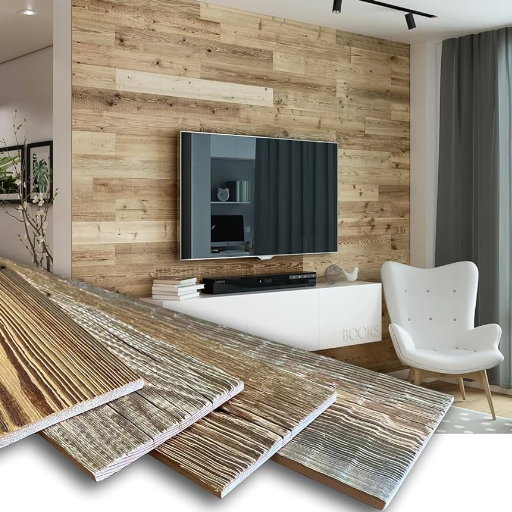
The different wall paneling types provide multiple options which each show distinct visual and practical advantages. Shiplap paneling stands out as a top choice because its straight horizontal lines create a rustic yet contemporary aesthetic for any environment. The room transforms into an elevated space through shiplap installation which functions as both an accent wall and complete wall treatment. Beadboard paneling remains a popular option because its vertical grooves create an authentic traditional appearance which suits cottage and farmhouse interior design styles.
3D wall panels have emerged as a popular choice for modern architectural design because they provide contemporary design solutions. Homeowners can create three-dimensional wall effects with these panels, which offer multiple geometric design options and various surface texturing choices. The products come in wood and PVC and fiberboard materials, which enable users to create different design styles that suit their financial needs. Board-and-batten paneling creates a classic design which uses wide boards and narrow wooden strips for its raised pattern that adds visual interest to entryways and living rooms.
Tile wall paneling and plastic laminate panels serve as the best options for areas which need protection from water damage because they provide excellent durability and moisture resistance which makes them suitable for both kitchens and bathrooms and laundry rooms. The panels offer a practical solution that maintains their original design because they can be easily cleaned and maintained. The right wall paneling solution requires you to examine various paneling choices that match your personal style and your needs for space function and your desired home atmosphere. The options you explore will lead you to the ideal paneling solution, which will help you achieve wall transformation and space renewal through a smooth design process.
Benefits of Using Wall Panels in Your Home
Wall panels provide numerous advantages that make them a popular choice for modern interiors. The main advantage for wall panels comes from their capacity to endure damage because these panels have been built to handle both active foot traffic and conditions that involve high moisture levels. The wall panels create energy-efficient benefits because they deliver additional insulation which helps to sustain proper indoor climate control while decreasing energy expenses.
Homeowners can achieve their desired visual style through various design options which include both modern sleek finishes and rustic textured designs. The installation process becomes easier because most panels have been built for fast assembly which decreases both time and labor expenses. The visual appearance of wall panels remains intact through time because their cleaning needs are extremely low. Wall panels provide practical aesthetic benefits which enable different rooms to improve their design and operational efficiency.
Selecting Wall Paneling for Your Area
The selection process for wall paneling requires multiple aspects to be considered which will lead to finding the most suitable option for your area. Begin your assessment with an evaluation of the room’s complete design theme and its intended purpose. Wood paneling creates a cozy and natural atmosphere in a living room while modern kitchens and bathrooms benefit from the sleek appearance of glossy panels. The assessment process requires evaluation of panel performance under humid conditions because moisture-resistant panels deliver optimal protection to bathrooms which experience high humidity. The selected materials which include MDF and PVC and natural wood determine how well the building provides thermal insulation and sound isolation and its impact on the environment. The assessment process requires evaluation of installation difficulty together with budget constraints because these factors will help you select options that satisfy both your design needs and your functional requirements. The perfect wall paneling for your space becomes accessible through your consideration of multiple factors which will help you reach an educated choice.
Creative Paneling Makeover Ideas
Transforming Your Living Room with Wood Wall Paneling
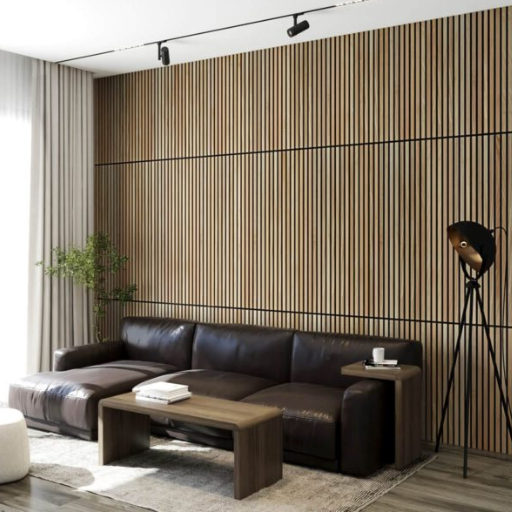
Wood wall paneling brings a permanent attractive quality together with welcoming ambiance to your living room. The paneling enables multiple design styles which can match different aesthetic preferences of the room. The use of vertical panels will create an effect that makes walls appear taller which works better in restricted areas or spaces with short ceiling height. Horizontal panels extend a room’s length which creates an effect that makes the space feel more expansive. The modern design of your space will benefit from using geometric patterns together with wood stains that improve daylight entry. Reclaimed wood panels provide authentic rustic appearance while they support sustainable design through their ability to reuse existing materials. Wood wall paneling offers various texture options together with different color choices and multiple finishing techniques which enable you to create a warm yet elegant space that shows your personal style.
DIY Wall Paneling: A Step-by-Step Guide
Wood wall paneling serves as a complete room transformation solution for any space because it combines multiple design possibilities with satisfying execution. The following guide presents a detailed process which enables you to create a polished professional appearance.
1. Measure and Plan
Begin by measuring the walls where you want to install the panels. The panel quantity required for your project needs measurement because you must assess your space dimensions and architectural design. Draw your design on paper to show how windows and doors and electrical outlets will interrupt your project.
2. Choose Materials
Select the type of wood or paneling material that suits your style and budget. The available options include both solid wood and MDF materials together with pre-finished panel products. The materials must show high quality standards while matching your intended design style.
3. Prepare the Wall Surface
The wall needs thorough cleaning to eliminate all dust and dirt particles. Use putty to fill all gaps and imperfections then proceed to sand the area until it reaches a perfectly smooth condition. You should use primer or sealant if you want your adhesive or nails to establish proper bonding.
4. Cut the Panels
The panels need to be cut into their required dimensions through the use of a saw. The measurement needs to be verified one more time to achieve accurate results. The intricate patterns you create should be marked on each component to assist you in determining their position.
5. Attach the Panels
The installation process requires you to put construction adhesive on the rear side of each panel and then use nails to attach them to the wall. The process begins at one corner which requires you to use a level tool for maintaining straight alignment while moving towards the opposite side. Use spacers if your design includes gaps or grooves.
6. Fill Gaps and Sand Edges
The first step involves filling all gaps which exit between panels with wood filler after positioning the panels. The material should be allowed to dry before sanding down the edges until they become completely smooth. You need to remove all sanding dust before you continue with the upcoming tasks.
7. Finish with Paint or Stain
You should use paint or stain or protective finishing product according to your desired visual outcome. The paneling appearance improves through this step which also provides better protection against damage.
Accent Wall Inspirations Using Modern Wall Paneling Ideas
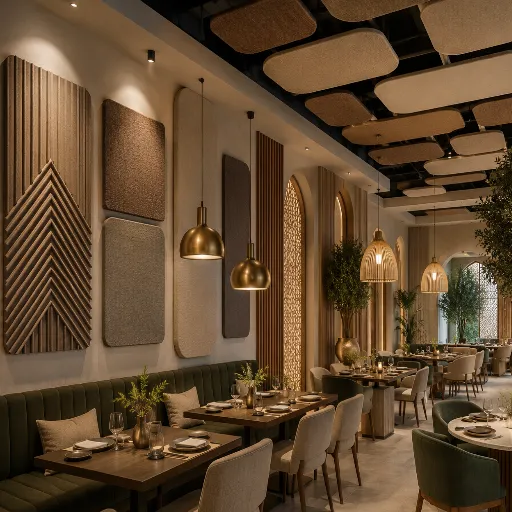
Modern wall paneling provides unlimited design options which enable designers to turn ordinary walls into extraordinary central design features. Designers should use vertical panels which have smooth surfaces and neutral colors of white gray and beige to create their desired minimalist design. The panels provide minimal texture to the area which maintains its original appearance. Geometric wood paneling patterns which include chevron and diamond and hexagonal shapes enable you to create strong visual effects through their complex artistic designs.
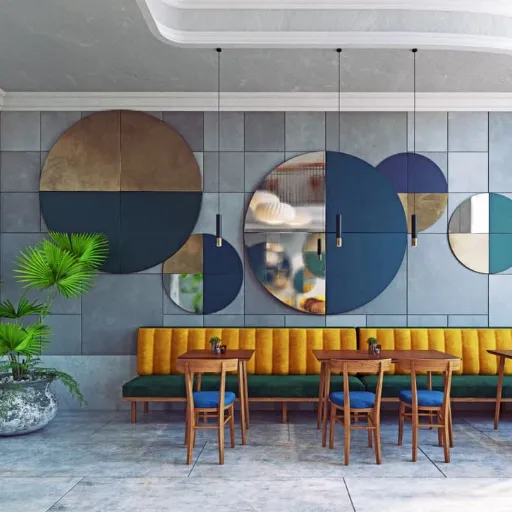
People who want to create a cozy atmosphere with natural beauty should use reclaimed wood paneling because it creates a rustic appearance that combines with modern design while supporting environmental protection. Wood paneling becomes an attractive design element when it is combined with LED lighting strips which produce a backlit effect that works well in modern spaces. Design your accent wall through creative color choices which involve painting it with deep jewel tones like emerald green or navy blue which create an elegant atmosphere when combined with metallic decorations. Accent wall designs exist beyond their application in residential areas. Modern paneling functions effectively in bedrooms, home offices, and kitchens to create unique and flexible spaces. Your accent wall design needs to match the room’s atmosphere and purpose through appropriate paneling selection.
Exploring Different Wall Panel Materials
Wood Paneling: Classic vs. Modern Styles
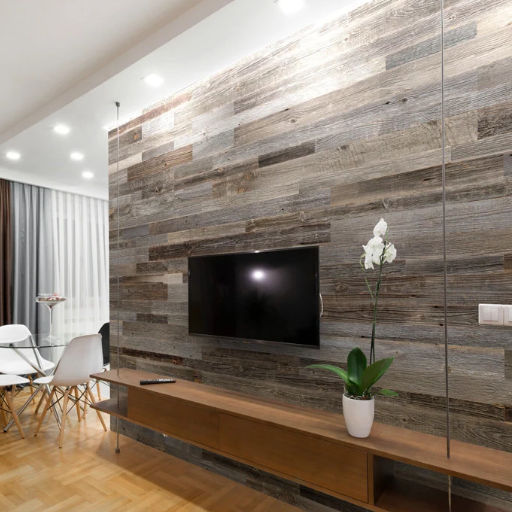
Wood paneling has progressed through time to create a design that combines traditional elements with contemporary stylishness. Traditional wood paneling displays its natural beauty through rich finishes which highlight the textured look and warm character of oak and pine and mahogany. The classic styles of this collection create a perfect match with rustic and vintage design elements which bring everlasting beauty to every space. Modern wood paneling showcases its design through straight edges and a streamlined design and its use of contemporary design elements. Contemporary design needs painted MDF panels and reclaimed wood and geometric paneling patterns as its design elements. Modern houses utilize these materials to build statement walls which deliver both functional advantages and artistic elements. The combination of classical and contemporary design elements enables users to create their own personalized style which combines traditional elements with current fashion trends in order to match their distinct personality and their particular environment.
Shiplap Wall: Rustic Charm for Any Room
Shiplap walls bring authentic rustic beauty to any space which has made them highly sought after. Shiplap originated as a building material for barns and farmhouses and it consists of horizontal wooden boards with unique grooves that produce straight defined edges. The design element creates a warm rural atmosphere through its combination with modern furniture and decor which results in a fashionable transitional style. Shiplap allows homeowners to create warm stylish spaces through its use as an accent wall material and ceiling design element and complete room decoration option. Homeowners can select shiplap which offers multiple finish options, including natural wood tones and whitewashing and vibrant colors, as a design solution that delivers both aesthetic appeal and practical utility.
Using Reclaimed Wood for Unique Wall Treatments
Reclaimed wood has become a popular material for building environmentally sustainable wall treatments which deliver distinct design elements. Reclaimed wood delivers rustic aesthetic appeal while it maintains sustainable qualities because it enables the reuse of materials from demolished barns and factories and other structures. The material displays unique characteristics through its textured surface and aged appearance and its inherent flaws which create distinctiveness in every environment. Reclaimed wood can be used to craft accent walls or incorporated into patterns like herringbone for a more artistic approach. Reclaimed wood maintains its sustainable design function because it achieves durability through correct treatment and installation methods. Homeowners can create their own exceptional style through the material’s adaptability which combines historic elements with skilled craftsmanship to create contemporary home design.
Innovative Wall Treatment Techniques
Wainscoting: Elevating Your Interior Aesthetics
Wainscoting serves as a permanent wall decoration that brings texture and depth and stylishness to every indoor area. The design element originated from its original function which protected walls against damage but now serves as an advanced design feature that creates a particular room atmosphere. The three styles of wainscoting which include raised panel and flat panel and beadboard style work well with both traditional and modern home designs. The material works as a wall covering which designers use to create different aesthetic looks through painting or staining. The modern design solution of wainscoting requires designers to use bold color and geometric pattern experiments to achieve visually striking results. Homeowners can use this method to create their own customized home designs while maintaining an enduring design which adds timeless beauty to their spaces.
Board and Batten: A Timeless Wall Design
Board and batten exists as a timeless wall design which combines basic elements with sophisticated features. The design includes wide boards which alternate with narrow battens to form a pattern that creates vertical visual movement. The design originated from historical architectural practices which used it to build homes and barns because of its practical properties and structural strength. The design has gained recognition because of its capacity to work with both traditional and contemporary home design styles. Homeowners can use board and batten to add depth to plain walls, create an accent wall, or even highlight architectural features. The product comes in different materials including wood and MDF and PVC which allows it to be used in various ways while matching specific style requirements and practical purposes. The design maintains its enduring attraction which combines with present-day design developments to remain popular in both indoor and outdoor space design.
Vertical Wood Paneling for a Contemporary Look
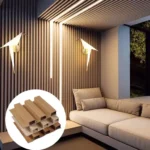
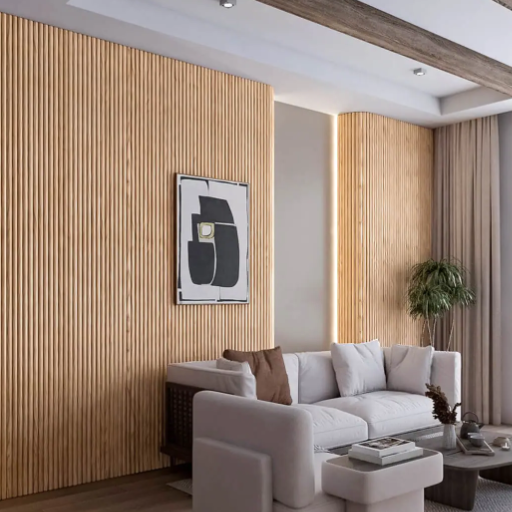
Vertical wood paneling has become more popular because it creates modern interior designs that show natural wood elements. The design element creates vertical emphasis which results in higher ceiling heights and larger spatial dimensions. The solution functions effectively across three different design styles which include minimalist and Scandinavian and mid-century modern aesthetics. Homeowners can design their interior spaces according to their preferred style by choosing from three vertical paneling options which include natural wood and painted finishes and textured laminates. The design elements of the space create a contemporary atmosphere which professionals use to improve both compact and expansive areas.
Paneling Solutions for Specific Rooms
Bathroom Wall Paneling: Moisture-Resistant Options
The process of selecting bathroom wall paneling needs to start with choosing moisture-resistant materials which will protect the bathroom from damage in areas that experience high humidity. The materials which create panels through PVC, fiberglass-reinforced plastic (FRP) production and treated wood manufacturing create a superior choice because these materials prevent warping and swelling and mold development. The combination of water-repellent coatings on tiles or panels creates an additional protective barrier which maintains both functional performance and aesthetic appeal. The use of seamless designs or tongue-and-groove systems establishes a moisture barrier which requires less maintenance while providing an attractive appearance. The combination of these materials with proper ventilation and routine cleaning practices maintains the bathroom’s visual appeal and its ability to withstand damage throughout its existence.
Creating a Cozy Bedroom with Decorative Wall Paneling
People use decorative wall paneling as their preferred solution which creates a warm and welcoming atmosphere in bedrooms. The panels which come in wood and MDF and PVC materials provide users with design options that allow them to create custom textured patterns which bring warmth to their rooms. Designers can achieve modern aesthetics by using painted smooth panels which come in neutral color schemes while reclaimed wood materials offer rustic design elements which display authentic character. Certain paneling options provide dual functions which improve soundproofing and thermal insulation to create more peaceful and comfortable spaces. Using accent panels behind the bed or throughout the wall space allows users to establish a peaceful bedroom atmosphere while maintaining the room’s open layout. The decorative wall paneling system requires little upkeep yet maintains its timeless charm which makes it suitable for all bedroom renovation projects.
Utilizing Half Walls in Open Floor Plans
By using half walls in open floor plans designers achieve the perfect balance between maintaining an open space and creating structural elements within their design. The use of half walls establishes separate spaces in my home which includes the kitchen and living room area while allowing natural light and air to flow throughout the entire house. This design option provides functional benefits together with visual attractiveness by creating a space that exists between traditional wall structures and total architectural openness. Designers can use half walls to create innovative spaces which include built-in shelving and counter extensions that improve usability.
The ability to use half walls as furniture anchors which establish permanent seating areas represents another advantage. The half wall creates a dining area barrier while supporting a breakfast bar in compact spaces. The design proved beneficial because it allowed me to create different layout options which maintained an open space throughout. The use of wood and stone and shiplap materials creates design elements which improve the overall design through their creation of minimalistic texture. Half walls provide two major benefits which extend beyond their visual appeal because they create spaces that enable people to see each other while maintaining personal area. The structures create interactive spaces which provide enough distance to create comfortable spaces which maintain connection to the main area. The adaptable nature of half walls shows designers multiple ways to design open spaces which makes them essential elements to any open space design.
Reference Sources
-
Preliminary Proposal for an Alternative Wall Lining Panel Based on Molded Recycled Cellulose
Source: MDPI
Link: https://www.mdpi.com/2071-1050/13/9/4643
Relevance: Explores innovative wall lining panels designed for interior building refurbishment, focusing on sustainability and functionality.
Renovation of Apartment Buildings with Prefabricated Modular Panels
Source: e3s-conferences.org
Link: https://www.e3s-conferences.org/articles/e3sconf/abs
Relevance: Discusses the use of prefabricated modular panels for efficient renovation of apartment buildings, highlighting their practical applications.
Renovation and Innovation Using Thermal Insulation Lining Systems – Acoustic Performance
Source: ScienceDirect
Link:https://www.sciencedirect.com/science/article/pii/S0360132321002146
Relevance: Analyzes modern thermal insulation wall lining systems and their impact on acoustic and thermal performance in renovations.
Frequently Asked Questions (FAQs)
Can integrated wall panels replace drywall for an entire wall renovation?
The integrated wall panels serve as a complete replacement for drywall because they extend beyond walls to provide a unified design that includes both wall and ceiling surfaces. The products include decorative wall panels together with wooden panels that provide textured appearance and visual appeal which differs from standard flat drywall. The room atmosphere depends on your choice between natural wood finishes and painted wall surfaces and modern panel designs which can match various design aesthetics. The white wall space of the minimalist design maintains a neat appearance through its use of white panels which include shiplap wall design while the warm-toned wood option and stained wood option create a cozy atmosphere. The presence of structural alterations requires you to seek advice from an interior designer.
How do I choose between wooden wall paneling and painted wall finishes?
The choice between wooden panels and painted wall finishes requires you to identify your desired room atmosphere together with your requirements for future upkeep. Wooden wall systems together with wooden panels enable users to display natural wood grain patterns and various wood tones which create traditional or contemporary designs through their installation of vertical and horizontal panels. Users can select their preferred wall color through painted wall options which include wood paneling painting whereas white walls create an illusion of space expansion and bold colors add personality to any room. You should decide between warm wood tones and painted surfaces because they affect how your wall art will be displayed. The design choice should match the overall interior design and use of the room, whether bedroom walls, dining space, or a formal space.
What paneling designs work best to add texture and visual interest?
The combination of molding with vertical lines or floor to ceiling panels produces paneling designs which excel at creating textured visual elements for room decoration. The decorative wall panels which feature different depth levels and recessed sections create shadows that enhance room design while making wall art display better. The combination of wood panels and wallpaper sections, along with painted wall strips, creates a texture effect through material mixing. Wood panels with stained wood details provide a classic wall design, while minimalist designs require modern panels to be spaced at regular intervals. The entire wall space becomes a focal point through paneling, which also allows feature walls to create balance throughout the entire room.
Do integrated wall panels create a larger space in small bedrooms while providing a more comfortable atmosphere?
The paneling system allows bedroom walls to create an illusion of larger space through its orientation and color selection. The installation of horizontal panels creates a wider space perception for rooms, while vertical lines direct viewers to higher points which create the impression of taller ceilings. Light wall color or a white shiplap wall will open up a space, whereas warm-toned wood or stained wood panels add coziness and character to any space. The use of panels together with carefully chosen wall art and lighting design controls how the room appears. Your material selection should reflect your design preference between a minimalist retreat and a warm traditional aesthetic.
What creative layout options can paneling provide for whole room renovations?
Paneling can be used to create complete wall coverage through floor-to-ceiling installation or through wainscoting or accent bands that divide the space into different areas. Paneling creates focal walls which draw attention to architectural details while ceiling wrapping unifies wall and ceiling elements to create striking visual impact. Structural changes are not needed because different room feelings can be achieved through horizontal and vertical orientation techniques. The combination of wallpaper panels with painted wall sections and wooden panels creates multiple layers of texture which enhance visual appeal. The design options that paneling provides allow spaces to be transformed into either minimalist environments or traditional spaces with elaborate decor.
Categories:
Blog
Tags:
Installation & DIY
Related Articles