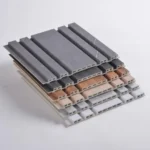
Outdoor Great Wall Panel: Adding Texture to Building Exteriors
Outdoor Great Wall Panels are transforming the design of building exteriors by merging function and style for the first time as fully weatherproof and maintenance-free design solutions. Panels offer building designers weatherproof and maintenance-free solutions to create some of the most beautiful building facades. In this blog, we showcase the versatility of the Outdoor Great Wall Panels and how they offer building designers with endless possibilities to improve structures and meet the design requirements of your projects. Join us as we showcase how these building design solutions are functional and beautiful!
Introduction to Great Wall Panels
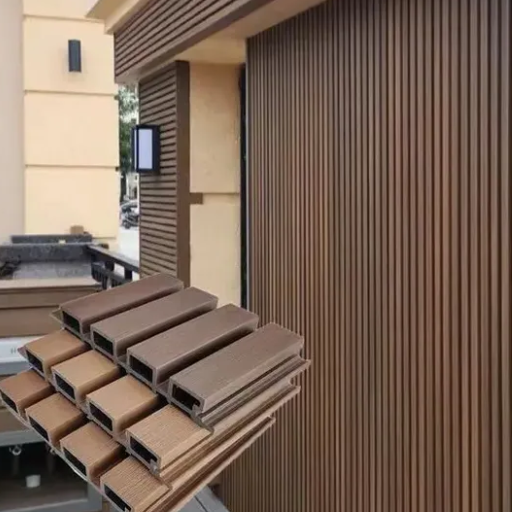
Can you enlighten me on what a Great Wall Panel might be?
A Great Wall Panel is an easily adaptable architectural element that is used in constructions with an intention to look good and functional as well. When making a Great Wall Panel, many materials such, as aluminum, composite materials, and preserved wood are used in production, to guard against the negatives that include moisture, ultraviolet rays, and changes in the normal temperatures. Because they have been developed for quick installation and adaptable in terms of decoration, these products are perfectly suitable for solved architecture as an external finishing condition. Of course, Great Wall Panels are also famous for their energy saving abilities, and insulation enhancement, which reduces the cost of running a building. They are groomed for the high demand of today considering that they appeal in terms of design while providing solutions to immediate practical needs.
Benefits of Using WPC for Exterior Walls
Today, Wood Plastic Composite (WPC) has blossomed its presence in contemporary buildings, predominantly in their ability to cater for wall cladding – not only for meeting the design criteria, but also for serving practical purposes. One more advantage to touch on is the ability of WPC to resist moisture, insects, as well as most weathering agents, making it perfect for application in various climates. Another feature that differentiates it from the common woods is that WPC needs very little maintainance. For example, there is no apparent warping, crack, or even splintering occurring as time advances. Further, this is an environmental friendly material due to the fact that composite decking is mostly made from wood products that are recycled and post-industrial plastic which are also made with good binding properties which satisfies the objectives of their applications. Structurally it is very simple and helps in accommodating many different architectural designs. With the advantage in mind that WPC will not be able to pass heat and cold, it can be made with the limiting attachment mechanisms in such a manner that they do not heat or cool the building thus leading to reduction in heating and cooling costs. It is, therefore, expected that the incorporation of these products on the exterior walls of buildings will be eagerly embraced. This is because WPC concisely integrates the ideologies of being environmentally friendly, lasting longer with minimal wear and tear and quick and economic ways of reconfiguring building walls.
The Emerging Use of Great Wall Boards in Architecture
The tremendous usefulness of the modern great wall panels gained fame in the architectural world and not only became a sought-after appearance but also became a useful tool. They are made by architects to carry out multiple tasks in houses and workplaces such as cladding or in order to enumerate the established materials to the building. It is possible with these wall panels if you veget yourself with the necessary level of insulation for the structure. However, these wall panels also contribute to the realisation of energy-efficient goals in the context of today’s buildings. When it comes to installing wall panels, they are very lightweight, and this step doesn’t take as much time and money as other types of coverings do. Moreover, such claddings can be quite versatile and easily designed into varying spaces ranging from the smallest interiors to external buildings with intriguing designs. The environment feature of most of these also includes that these panels are well protected against harsh weather conditions such as humidity, sunlight, and temperature changes making them ideal for such regions. Due to this feature and because the main composite of the material is ecofriendly, it has the properties that favour its selection and use in green building projects. Installation of these panels in the structure allows architects to not compromise on function in their relative activities as it balances form as well.
Understanding Composite Wall Panels
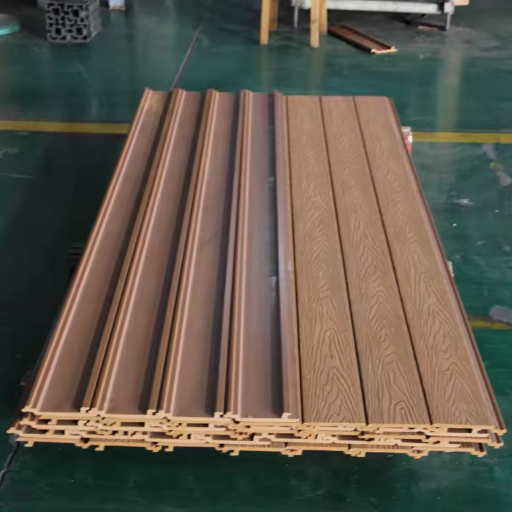
What is a Wood-Plastic Composite?
Wood-Plastic Composite (WPC) is a state-of-the-art substance that is made by mixing wood particles, dust or fibers with various thermoplastic materials including polyethylene, polypropylene, or PVC. Such a combination agrees with a natural pile wood in this portion of the manner of appearance but advantages both the aesthetic appeal and the other strengths of plastic. The building material is WPC that is now a more common feature in buildings for instance in use as wall cladding, decking and fencing projects because it is also less liable to degrade in the presence of moisture bug or fungi attack. Also, WPC is typically safe for the environment given that it tends to contain recycle materials. Moreover, its flexibility and capacity in providing the required level of function also makes it an ideal solution for architects and contractors who want to meet performance and at the same time modern architectural attributes.
The Benefits of Using Composite Wall Panels
Composite wall panels offer there respective advantages that address to the current construction and aesthetic ideologies of this current epoch. Such benefits include longevity – due to being resistant to environmental erosion, humidity and also to insects specifically termites, this enhances their usability in such a manner that, that would not be the case of production materials under the composite category. Additionally, it appears that use of these cladding boards does assist the buildings in saving energy, that is used neither to heat the buildings nor to cool it and the people inside it, since it should be noted that heat windows or automated ventilation can force people to open the side windows as well. Thirdly, composite panels come with the advantage of having their weight in construction to the bare minimum and are not only easy fasten on the walls and other surfaces but also speed up the labor related activities significantly in case the application is in construction activity. Their artifice quality and easy to manage attrition suspicion the enhancement of this cladding. As the waste of this system can be recycled in the construction and theming processes.
Comparison with Traditional Materials
In the pace of globalization, organizations are facing a lot of competition because of the enhanced trading and communications regarding products and services. An organization should consider several strategies when venturing into the global market. A company has to carry out a market research about the particular market into which it wants to enter which helps in determining the various aspects of the buyer behavior and the marketing environment that will or may affect the sales of the organization’s products or services. In addition the organization also have to consider the legal, economic, political and social environment of the country before planning its business expansion. Marketing in a foreign country therefore is most reliant on the willingness of the citizenries of a country to accept, activities of marketing. Again, an organization may venture into a foreign country for purposes of exporting their excess production, however when they realize the level of acceptability of their goods in that market they may end up putting production processes in that country.
Installation of WPC Wall Panels
Reaadying The Outer Walls Before The Installation
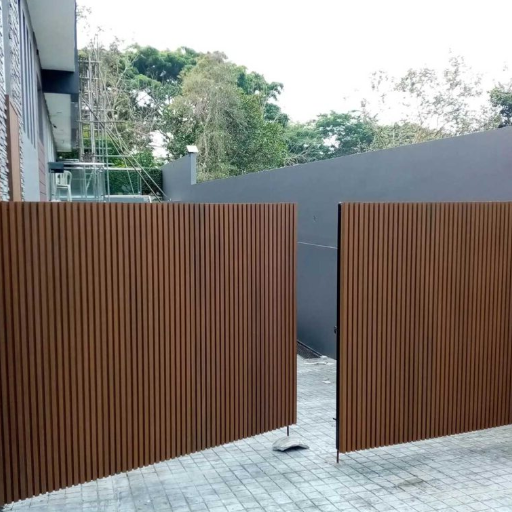
The exterior walls play a crucial role in the installation of the outdoor covering. Among them, it is necessary to decisively engage the WPC wall panels installation. It is worth starting all actions with thorough cleaning of walls from all kinds of dirt, dust, or any other debris that can obstruct or skew the position of the panels. Also, check for surfaces that are not even, opened up cracks, or such damaged places, after which proceed to their fixing. In case of wall complexes that are prone to moisture problems, the most suitable solution would be membranes which provide a barrier and eliminate moisture problems in later run. Moreover, get the introduction a waterproofing membrane and get going on it. Do not forget to measure and mark the area in order to cling the surface exactly as indicated in these requirements. In doing so, the ultimate goal is to uphold the principle measures to guarantee that the final appearance will last significantly and be attractive.
Step-by-Step Guide to Installing WPC Wall Panels
Installation of WPC wall panels is not just a one-step process. To start, there are some key equipment or materials that one needs to have in place before they start Installing WPC wall panels. These are the standard tools that include the measuring tape, span level, screw gun, screws, adhesive plus a panel saw for cutting the panels to the right size. The WPC wall panels, corner trims, and other edge profiles are also required for use.
- Step 1: Installation of WPC Wall Panels
Before the task commences, one must do a check to see that there are sufficient equipment and other materials for completing the Installation. The standard tools include the measuring tape, span leveller, screw drills plus the screws, bonding material and a panel saw for adjusting the size of the panels wherever necessary. Moreover, the WPC wall panels, corner racers and edge raisers should be prepared for use. - Step 2: Construction Work On-site.
Even with all the surface measures in place, the surface, resilient, fairly sand blasted and heavily compacted base adhering to the original table conditions as a result of all these measures, has always been a cause of concern. - Step 3: Level the Surfaces
Measure and draw all reference lines that need to be observed while installing WPC wall panels. This is necessary to avoid any kind of problems that may spoil the whole meaning and beauty of the installation. Given all that, it is always advisable to purchase a brief piece of WPC wall and perform “see it to believe” method. - Step 4: Cut The Pieces Of The Panel To The Appropriate Size
Trim or resize the panels as necessary to suit them to the layout of the installation. Use an appropriate saw for the job in question and before cutting anything, make sure to double check the measurements to avoid any wastages. - Step 5: Put the First Panel
Put the required adhesive on the back of the first panel or otherwise drives screws to secure that part depending on the recommended fixing method. From one corner or main Ceturtin and push down the panel until it is properly set. Use a spirit level to confirm the evenness. - Step 6: Work on the Next Panel
Fasten the consecutive panels by snapping them into place as designed or touching one another edge to edge. Ensure that each piece is not removed by applying glue to it or securing it with screws and without visible spaces between the joints of the panel. Be careful and try to adjust the arrangement at every phase. - Step 7: Few Decorative and Protective Items
Boards and all kinds of profiles, blind or straight, and moldings will filled with gaps and make looking of the objects better. The most important aspect is that each board and all visible elements are securely fixed and in line with the overall design. - Step 8: Look over the Structure and Every Detail of the Tiles’ Application.
It is necessary to make quality control for the surface of the installed panels, fixed or fallen, loosened or missed bolts should also be taken into account. In case of detected imperfections, they should moreover be practically eliminated for the improvement of both usage and aesthetics.
Pitfalls to Steer Clear of when Carrying Out an Installation Process
Experience and research have taught me that when you are installing WPC wall panels, there are quite a number mistakes that you need to keep close tabs on which may tend to lower the standards and also the looks of the installation. One of the most notorious of them is lack of enough surface preparation. Not preparing the wall for perfection and then specifically doing things like cleaning and leveling walls, may give one a clue and even prevent damaging installations that are going to be prone to unleveled or de-fitting panels. It is extremely important that the surface is thoroughly free of any dust or debris, and is clean and dry before beginning the installation. Dividing the area along with vertical lines and leaving space for expansion and contraction is another area of error with which I have experience. Due to various reasons such as thermal expansion and length distortion, WPC panels may require space to expand or shrink in certain regions. Filling these spaces insufficiently causes the panels to bend or become misaligned in time. Therefore, make sure you always follow the specifications or so to speak the recommended or advisable spacing of the slabs. And where appropriate, employ adaptations further so as to allow expansion. Moreover, the manner in which fastening and glueing tasks are carried out also matters much. Not every glue or bolt will be suitable for WPC materials, and the right solution cannot always be recommended so as not to hurt the structure in place. Good quality fasteners that are moisture resistant and designated for the use in WPC panels should be chosen without fail. When one is aware of such underlying reasons and takes necessary steps to foresee any possible inconvenience, then the whole installation process may itself be perfectly accomplished.
Maintenance and Care for Your Great Wall Panel
Everything About the Service of Maintaining and Caring for the Siding of the WPC Wall Panels
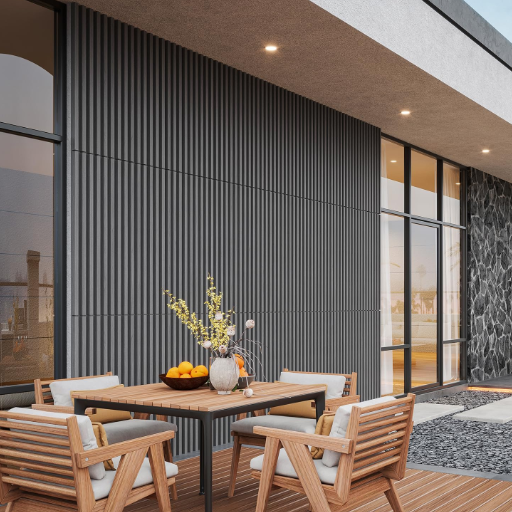
Be it regarding the health of your structure or concerning its beautifully attractive WPC (Wood Plastic Composite) wall panels, it is crucial that you follow certain maintenance practices. Always make sure to clean the panels using a soft cloth or a non-abrasive sponge in a mild soap solution to remove any form of dust, dirt or nice aspects. Do not use abrasives or toxic chemical cleaners as their surfaces will be altered. For outside installations, you may rinse the wall from time to time using water for the purpose of getting rid of the dirt although you will be required to wipe the surface. Time to consider the condition of the panels is recommended even in normal use, every so often – discolorations, wear, and companions, nearby structures or other conditions that could scratch the panels need to be observed carefully. In such minor cases as the growth of mold or the overgrowth of mildew into the wall panel area, the use of cleaning solutions which are specifically astringent or a mixture of vinegar is advised. Proudly it may be noted for the record that damage to many wall panels are rain and wind-induced and bird-strikes. This, however, is preventable in many cases. If practiced strictly and correctly, this may take some time but following the best practices stated above and similar practices will ensure that your WPC wall panels shall maintain both their structural quality and aesthetic appeal for as long as you want them to be displayed.
Cleaning WPC Wall Panels
How to clean WPC wall panels? Simple, just utilize cleaning techniques perfect for such interior elements. We can start with easy cleaning using a soft brush. You can also use a microfiber cloth to easily wipe any dust. For the walls, where dirt or other spots reside, it can be cleaned by using a dilute soapy solution. To ensure no harms is caused, a ph neutral detergent has to be used. With very gentle pressure, rub the surface with a sponge or cloth to remove the dirt, thereafter rinse it with some clean water to avoid any remaining residue. For stubborn stains – such as oils & grease, or even in other case specific conditions, you may reach for the products specially designed for vinyl walls. Make it a rule to explore each cleaner for each surface on small background surfaces before the large surface. Equip yourself with advanced cleaning equipment, but do not succumb to harsh tools and devices like the high pressure submachine. Provided the WPC wall overlap is kept fibre-free and stain-free, one can enjoy the warmth of their home or can have the Modern exterior designs intact, even without sparing defacing.
Facing Problems for Companiscule Sheets
Sheets made from compounds, for instance, wood plastic composites (WPC), are secured to be high and easy to look after. Regardless of this, few problems may be noticed in long term application. One of the most common problems concerns probably stains which may appear after exposure to dust, fats or liquids and so on. In such cases mild detergent and a soft brush should be used to prevent further stains. It is, after all, very difficult to avoid some materials to absorb stains. In case the additional staining occurs it should be removed straight away. Another problem is having to deal with the black and white spots appearing which is the mould outgrowth in the present of moisture, shade, or dirt. However, such a problem can be taken care of by applying a cleaning solution which is specially designed to deal with organic growth. One of the problems related to the Composite Decking fading might be caused by continued exposure to Ultraviolet rays which results in color becoming lightened over time. Most of the WPC boards currently on the market contains ultraviolet stabilizing functionss in an attempt to avoid this problem, but additional post-treatments could be used for additional ecouraging robustness of the WPC. Furthermore, temperature-related expansion and contraction may create conditions for warping to occur. In such cases, one should carefully prepare both the spot and keep the manufacturer’s guidelines for spacing in settling precluded expansion and more unwanted deformation.
Future Trends in Wall Cladding Solutions
Innovations in the Field of Wood-Plastic Composite Materials Technology
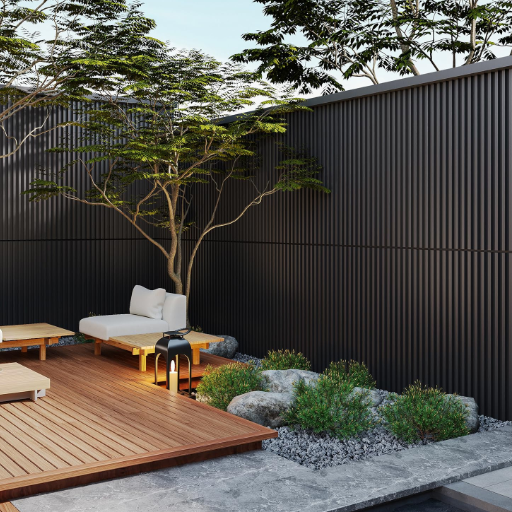
If you examine the latest developments of Wood-Plastic Composite (WPC) materials, you will observe that this field is gaining in speed and adapting to the modern ecological, mechanical, and other conditions. On of the most appealing aspects, to be frank, is the use of waste materials – the so-called ‘secondary raw materials’ – regarding the manufacture of WPCs, and it has great demand these days as the environmentally friendly building lines are everywhere. Progress in the production of the pellet compound allows processing of many recycled plastics and wood fibers into the compounds and there are even advanced materials that can sustain more cavities. In this way, the WPC elements even become more ‘green’ oriented, and from other hand – more suitable at economical values for many sectors. Another advancement in the improvement of the surface finishes and coatings for WPC products, lies in the development of the wood coating structures, despite the challenges faced in doing so. Currently, advanced self-priming gloss and weather resistant coatings are quickly gaining popularity as their application extends the maintenance intervals of these materials. In addition, these coatings block off discoloration, loss of original color, and abrasions due to harsh environmental factors and therefore the product’s display and usage is retained for an extensive period of time. Many significant technological advances have been made which allow for the reproduction of even the feel and the structure of wood with a level of precision which has never been done before and types of architecture and design in the aesthetics of this kind of material has been given more attention. Looking ahead, my curiosity goes beyond and extends to the 3D printing technology innovations that are beginning to be applied in the manufacturing of WPC. That is to say, we are talking about the adept ability to customize the processes of production of intricate forms and also comply with reflexive approach with reduced environmental damage and additional tools for more design creativity. This potential is boosted with the increase in demand for materials that easily biodegrade and the use of smart performance blends: thus certain improvements have seen WPCs come at the top of sustainable and flexible wall cladding solutions expectations.
How are Environmentally Friendly Wall Panels Made
There has been a titan shift in the approach to the construction of wall panels, giving instead environmental factors, aesthetics among other factors not already touched upon. Many companies now rely on renewable and recyclable resources such as reclaimed wood fibres and post-consumer plastics, which minimizes the negative externalities. Efficient use of resources has also been embraced through the incorporation of solar panels and wind turbines in operations. Furthermore, several other measures such as introduction of water-saving technologies and existing leakage management measures and closed loop systems have all had a positive impact on reduction of pollution in the sector. By supporting green strategies, industries contribute significantly in conserving the global environment and reducing environmental pollution. Public requests for green products are also influencing the industry, thus encouraging a move towards product development and production.
Moving Forward: Prospects for the Development of External Cladding Systems
The development of external cladding systems in the future is likely to be illustrated by a structural picture of changes aimed at innovation, sustainable development, and flexibility. The progress of material science will result in wall cladding with more resistance, less mass, and which is energy-efficient, this is also in anticipation of such types of products appearing on the market. Finally, self-monitoring, self-liquidating cladding systems may start becoming a norm, witch in turn will provide better energy saving and ability in functionality. It is expected that the use of biobased and recycled materials will also increase, thus lessening the amount of environmental damage, which is at the same time beneficial to consumers whose consciences are green. In addition, aesthetics will be very important thereby, more and more companies will tend to deliver modular solutions with their finishing products in order to achieve the desired effect in terms of design, color, or texture without purchasing additional finishing products. It is worth noting that requirements for exterior wall systems will change as the energy conservation and fire prevention requirements will be more onerous, but they will still need to demonstrate the same high level of application and aesthetics. The culmination of these developments implies that in the future, external wall claddings will not be simply decor enhancing architectural outlook but will also be environmentally responsible and intelligent construction contributing structures.
Reference Sources
- Eco‐Friendly Approach and Potential Biodegradable Polymer Matrix for WPC Composite Materials in Outdoor Application
Source: onlinelibrary.wiley
Link: https://onlinelibrary.wiley.com/doi/full/10.1155/2019/3894370
Relevance: Discusses eco-friendly WPC composites and their suitability for outdoor applications. - Influence of Fibre and Matrix Characteristics on Properties and Durability of Wood–Plastic Composites in Outdoor Applications
Source: journals.sagepub
Link: https://journals.sagepub.com/doi/abs/10.1177/0892705718807956
Relevance: Explores the durability and material properties of WPC for outdoor architectural uses. - Structure and Properties of Wood-Polymer Composites (WPC)
Source: books.google
Link: https://books.google.com/
Relevance: Details the properties and applications of WPC, including outdoor structures like gazebos and fences.
Frequently Asked Questions (FAQs)
What are the benefits of using WPC for outdoor wall cladding?
The full form of WPC is Wood Polymer Composite which is a design that incorporates wood fibers and waste plastic hence it is a protective covering or skin with high resistance to rot and insects. The first most tangible benefit of WPC is that, with the other resistant chemicals like strong absorbers and reducers, WPC composite boards will always be free of decay and pest damage. Some of the most significant benefits of WPC are that it is durable, water resistant, is easier to maintain in comparison to typical wooden and so it is used as a preferred replacement cladding for residential as well as commercial projects. The protective layer and UV inhibitors aid in preserving the wood grain appearance and color, preventing it from fading with age. Moreover, WPC cladding and wpc external wall panelling are also both easy to deal with, do not need any tweaking in specific elements of the building’s structure or aesthetics, and are typically done in wood cladding projects as an alternative. Many other firms and suppliers of who deal in WPC have also simplified the production of this WPC wall for construction and installed it with the help of their quality WPC products and installation manuals.
What is the difference between natural wood, PVC, and WPC great wall panel?
Comparatively to the natural wood, WPC great wall panel is far behind in terms of water, split, and rot disorders owing to the fact that it is made up of wood heats and relatively stable recycled plastic. On the other hand, WPC great wall panel have the ability to give a better wood finish and better Wall sound proofing / noise abatement because most of the other acoustical wall panels are capped with its thickness. The composite structure of wood plastic composite allows it to be less demanding in care unlike classic wooden options and quite the contrary it prevents deformation or damage due to catastrophic temperature changes which are very common in the regions. For example, in many instances, water proof panels are designed and used in curtain wall systems. There are also solutions that are in place for internal space decorations as well. Finally, there are sliding WPC wall panels, and, for exterior cladding, outdoor wall panelling has different grills and designed battens.
Could the WPC Boards Be Used in Even the Exteriors? Will They Be Waterproof?
In its basic form, WPC boards are waterproof and excellent for use in exterior wall applications such as exterior wall panelling and in the mouldings out of the waterproof plastic profile which is the wood plastic composite. The additives of UV blocking and others serve the purposes of addressing the weather related forces acting on the boards while offering that timber like appearance. Thus spc siding boards are suitable for use in the roof and accent wall cladding applications, especially in regions with such climates. The installation of the wall system of wpc cladding follows procedures and utilizes the wall panel installation specified by the manufacturer. Which is undertaken to help give the client a flat surface condition, well ventilated and easy to drain. It consumes little maintenance making it very convenient to be used for wpc decking and wpc wall cladding in outdoor projects.
How Should The Installation Of Slatwall Panels And WPC Wall Panels Placed On The Wall Be Considered?
The proper way to install a slatwall panel and WPC wall covering begins with a perfectly flat wall surface and with the correct mounting devices to be set for the wall as specified by the wall panel manufacturer. Any wall covering solution will undergo effects of thermal expansion which also affects the adhesive bond. Use of recommended fasteners such as clips or screws and following proper installation procedures ensures that the wall coverings panels are easy to install and long-lasting. The use of slat wall and pipe flute is both a decorative technique and one that cannot tolerate errors in that they must be installed such that there is no separation which would accumulate water inside. There are also many such fixtures that are simple installation access and wall panels that allow quick mountings on either upright or sideways directions. Wall panels and corten paneling with greater depth provide individual design solutions and are each mounted separately. For large-scale projects it is advisable to get assistance from the manufacturer of the wall panel in China or the supplier within the vicinity to make sure that the wall paneling design conforms to the appropriate building regulations and the best available installation practices so unstructured data is minimized.
Which among WPC, discarded timber, and ordinary wooden panels is more environmentally friendly?
WPC is usually positioned as a green option thanks to its combination of the recycled plastic with wood or wood fibres in it which cuts demands for virgin timber while lessening the amount of plastic that is thrown away. WPC uses the additional advantage of reducing the use of chemical in preservation of the wood which is explains why replacement is rarely required in the long run. It is feasible to incorporate waste plastics and wood in the production process of WPC wall and decking, thus increasing the further advantages of sustainability provided that it is a conscious act of sourcing from such responsible designer cum manufacturer. Suggest the best and most and non-toxic building design along with the insulated and sweet smelling materials and also emphasize on harmony elements that should embody these elements. Walled panel material will bring beauty to the home at the same time to protect the interior and enhance better living designs.
Where to look for WPC product friendly wall panel manufacturer and supplier to find a reliable one?
The more reliable wall panel manufacturers and suppliers have a series of wall panel products available including wpc cladding, wpc decking, slat wall panels, complete with technical datasheets and installation guides. Look for vendors that provide testing samples, data on the durability of the products, and reports of waterproof tests and uv-inhibitors, accounts for their prior works in residential and commercial buildings. A top WPC supplier either in China or nearby should also show that they have measures of quality, systems of recyclable plastic’s management, as well as the ability to shape conduct or hinge patterns locate flute, accent wall, or grilles in the walls. Examine carefully warranties, capacities in terms of product delivery, and the level of assistance in installation for the walls, enabling them to perform correctly for a long time. It is always possible to contact several suppliers and ask for pricing so that it is easier to find the suitable one judging from the level of flexibility of each company and your precise requirements and budget of the project.
Categories:
Blog
Tags:
Design & Inspiration
Related Articles