The Science of Sound Absorption: NRC Ratings for Slat Panels
Sound serves as a vital component which establishes the atmosphere of every location. Unwanted sound disturbances can instantly break both comfort and work efficiency. Slat panels function as an advanced solution which combines aesthetic enhancements with better soundproofing capabilities. The scientific basis of their soundproofing ability shows their power to absorb and scatter sound which researchers evaluate through the Noise Reduction Coefficient (NRC) measurement system. The blog investigates how design elements interact with practical uses by showing how slat panels turn noisy areas into peaceful and harmonious environments. NRC ratings provide architects with essential knowledge to select appropriate soundproofing methods for their residential and commercial space designs.
Understanding NRC Ratings and Their Importance

What is NRC and Why Does it Matter?
NRC stands for Noise Reduction Coefficient which serves as a fundamental measurement to assess how different materials absorb sound. The NRC rating ranges from 0 to 1 which means that 0 shows no sound absorption while 1 shows complete sound absorption for particular frequency ranges. The metric establishes a direct connection to the level of acoustic comfort present in a particular area. The use of higher NRC-rated materials including slat panels enables better control over sound reflections which results in quieter spaces that create more enjoyable environments. The understanding of NRC enables you to choose materials which meet your specific acoustic requirements for designing either private offices or busy restaurants or peaceful living rooms because it helps you make better material choices.
How NRC Ratings Affect Acoustic Performance
NRC ratings serve as essential elements which architects and designers together with acoustics experts must consider because these ratings determine how effectively a space controls sound. Materials with low NRC ratings (close to 0) reflect most sound, leading to increased echoes and reverberation. High NRC rating materials (close to 1) absorb sound better which results in lower noise levels that create a peaceful environment. Acoustic slat panels typically feature NRC ratings between 0.7 and 0.9 which makes them suitable for open-plan offices and restaurants that require both speech intelligibility and noise control. Professionals who understand the NRC rating system for various materials can create optimal sound experiences which span from workplace productivity improvements to residential comfort.
Interpreting NRC Ratings for Slat Panels
The NRC rating of acoustic slat panels is determined by multiple factors which include their material composition and their thickness and their installation method. For example panels which use dense core materials like MDF or high-quality wood together with acoustic felt backing show higher NRC values. The panel thickness together with the slat spacing system creates an important effect because wider gaps and thicker materials enable sound absorption through reduced reverberation. The performance of panels varies according to their mounting method which includes using a gap behind the panel or directly attaching it to the surface. The acoustic control ability of designers and architects can be improved through their selection and installation of slat panels which they need to choose based on these specific factors.
Materials and Design of Acoustic Slat Panels

Benefits of Using Wood Slats in Acoustic Design
The application of wood slats in acoustic design provides multiple advantages which I consider to have functional and aesthetic value. The material of wood serves as an ideal choice for sound control because it excels in both sound absorption and sound diffusion properties. The inherent characteristics of wood enable it to disrupt sound waves which results in decreased echoes and improved sound quality. Office spaces and restaurants as well as theaters require synchronized sound patterns to improve user experience and relaxation. The combination of wood slats and acoustic felt backing serves as a performance enhancement that enables optimal sound control throughout difficult acoustic situations.
Wood slats create warm and elegant design elements which other materials cannot provide. The system achieves aesthetic appeal through its design elements which work together with their practical functions. Designers can use wood slats to develop unique architectural designs through their ability to select different wood types and finishes and control spacing and layout according to various design styles which range from modern minimalism to traditional rustic aesthetics. Wood serves as an environmentally sustainable material which supports eco-friendly design methods while delivering high-quality performance. The use of wood slats for acoustic design produces an equal distribution of functional elements and attractive design features. Wood slats provide me with an effective and fashionable solution which I can use to create calm spaces or improve sound quality in noisy areas. The design maintains its appeal because it changes both the acoustics and visual aspects of a room.
Comparing Different Materials: Wood vs. Acoustic Felt
The assessment of acoustic design requires an examination of wood and acoustic felt to determine their respective strengths and specific use cases. Wood displays a natural appearance that maintains its strength throughout time, which enables it to create functional spaces with appealing designs. The material functions as a sound reflector which produces a sophisticated interior design element that creates warm visual effects. The material functions as an ideal solution for spaces that require sound control and visual attractiveness, which includes auditoriums and offices and residential areas.
The material used in acoustic felt operates as a soundproofing solution which absorbs sound through its soft and flexible characteristics. The product consists of polyester and wool materials which function as sound absorbers instead of sound reflectors to create a quieter environment through their soundproofing capability. The product functions as a perfect solution for contemporary design needs because it weighs little and contains multiple color options and texture patterns which provide designers with creative choices and effective solutions to control sound in open-plan offices and recording studios. Environmental requirements determine whether wood or acoustic felt becomes the preferred material choice. Wood provides a classic aesthetic which brings permanent architectural beauty to spaces while acoustic felt offers advanced soundproofing capabilities through its multiple design possibilities. The two materials present different benefits to users, yet their combination in specific environments achieves optimal visual appeal together with effective sound control.
Design Considerations for Effective Noise Reduction
The design process requires evaluation of multiple factors which helps to create designs that achieve optimal acoustic results. The material selection process needs to focus on wood and acoustic felt and composite materials because these options provide matching acoustic advantages. The sound absorption and diffusion capabilities of these materials depend on their thickness and density and surface texture. The strategic placement of absorptive panels needs to target primary sound sources and reflective surfaces to achieve maximum noise reduction. The process of sealing gaps between doors and windows and walls enables organizations to control sound transmission through their facilities. The design process combines functional elements with aesthetic aspects to achieve technical performance and visual appeal while maintaining noise reduction capabilities.
Acoustic Wall Panels: Types and Applications
Different Types of Acoustic Wall Panels Available
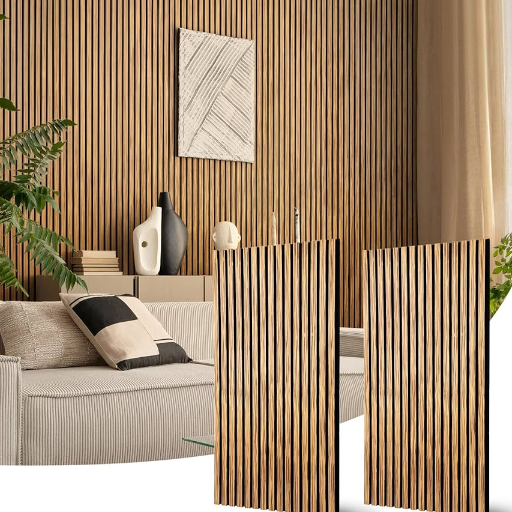
When it comes to acoustic wall panels, there are several types available which provide different benefits for various acoustic requirements and room configurations. One common option is fabric-wrapped acoustic panels which offer both design flexibility and product customization to users. The panels use a core material which combines fiberglass or foam with a fabric covering that users can select to achieve both practical performance and aesthetic appeal. They function effectively to minimize sound reflections and reverberation which occurs in spaces such as offices and conference rooms and recording studios.
Perforated wooden acoustic panels represent a widely used option because they provide sound absorption together with an attractive design. The panels display exact perforation designs which enable sound waves to enter the wood surface and get absorbed by the backing material. The products maintain a refined natural appearance which enables their use in spaces such as auditoriums and theaters and residential areas that require equal attention to design and sound control. The polyester fiber acoustic panels offer lightweight properties together with durable performance and environmentally friendly design since they typically use recycled content in their production. The solution provides straightforward installation procedures which make it suitable for use in classrooms and libraries and coworking environments.
Choosing the Right Acoustic Slat Panel for Your Space
The process of selecting the ideal acoustic slat panel requires multiple factors to be examined which will determine both its functional capabilities and its visual appeal to your environment. The first step requires you to determine whether the main function of the panel involves echo reduction or sound clarity enhancement or creation of an eye-catching design element. The required number of panels needed to achieve desired acoustic results depends on the size of the space which requires different panel arrangements to accomplish the acoustic goals. The choice of materials holds great importance because environmentally friendly materials such as wood slats and recyclable composites serve as sustainable solutions for eco-conscious projects. The color and finish of your panels should be selected to create a design that matches your room’s existing aesthetic. The two practical elements of installation simplicity and maintenance requirements should be assessed to guarantee that your product will fit perfectly into your environment. The perfect balance between functionality and style in acoustic panel selection becomes achievable through the consideration of these factors.
Real-World Applications of Slat Wood Panels
People use slat wood panels in residential spaces and commercial spaces because these panels can adapt to different design needs while providing visual appeal. Designers use these materials in modern interior spaces to create better sound environments for home theaters and music studios and office spaces because they reduce sound disturbances and produce more pleasant sound results. The accent walls create a visual centerpiece which brings cozy elements and surface variety to living spaces while preserving an elegant modern design. Slat wood panels reach beyond home environments because restaurants and hotels and retail locations now use them in their design. The product delivers superior sound management together with high-end visual appeal which makes it suitable for designing welcoming spaces that maintain proper sound distribution in public areas. Institutions like schools and conference centers use slat wood panels to achieve better sound performance in their lecture halls and meeting rooms. Businesses now prioritize sustainable practices which make eco-friendly materials vital for designing slat panels that fulfill modern design needs because they provide functional design solutions that protect the environment.
Performance Analysis: Noise Reduction Coefficients
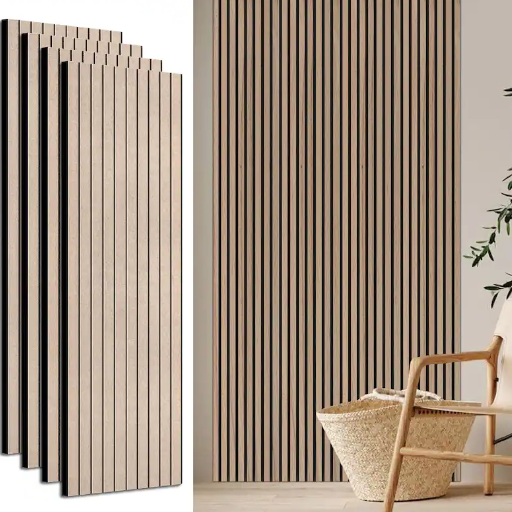
Understanding Noise Reduction Coefficient (NRC)
The Noise Reduction Coefficient (NRC) serves as a standard measurement which assesses how much sound a material can absorb. The system evaluates sound absorption through a range between 0 and 1 which defines absolute sound reflection at 0 and total sound absorption at 1. The value is determined by calculating the mean of absorption coefficients which are measured at predefined frequencies of 250 Hz and 500 Hz and 1000 Hz and 2000 Hz because these frequencies represent the full range of human speech and most environmental noises. The acoustic slat panels which have higher NRC ratings provide exceptional echo and reverberation reduction capabilities which result in better sound clarity and comfort within indoor environments. The material with an NRC rating of 0.85 will absorb 85 percent of incoming sound while 15 percent will bounce back to the environment. The high NRC value materials function effectively in classrooms and offices and theaters which require precise noise management and sound system design. The suitable NRC material selection process requires assessment of environmental needs which supports both operational requirements and design elements.
How to Measure and Compare NRC Ratings
The measurement and comparison of NRC ratings require standardized testing procedures which ensure both accurate results and consistent testing methods. The standard method for testing sound absorption in materials uses ASTM C423 which assesses sound absorption performance through controlled environmental testing. The testing process involves using a sample inside a reverberation chamber to project sound waves at various frequencies. The material’s sound absorption capacity is tested to find its NRC value. The process of comparing NRC ratings requires examination of the space’s particular requirements. Open-plan offices which experience high noise pollution problems require materials that achieve NRC ratings of 0.8 or higher to reduce sound reflections. Music studios which need to control sound diffusion should select materials that have specific moderate NRC values. The most informed decision for the intended application requires people to review NRC ratings together with material durability and aesthetic compatibility and installation convenience.
Case Studies: NRC Ratings in Action
My work as an acoustics design professional has shown me multiple situations where the correct choice of materials with their highest Noise Reduction Coefficient (NRC) values provided the solution to create the needed sound environment. A renovation project took place in which we transformed a lively coworking space that operated in a city center. The client encountered problems because internal discussions created loud noises which combined with loud sounds from the surrounding city. Our solution involved recommending ceiling panels and wall coverings which had an NRC rating of 0.85. The materials functioned as sound absorbers which created a silent environment that improved worker concentration. The results showed important decreases in echo and background sounds which resulted in better productivity and customer satisfaction. Another example involved designing a home recording studio for a local musician. The coworking space needed different design solutions because its acoustic requirements demanded specific acoustic treatment solutions. We used materials with medium NRC values which ranged from 0.4 to 0.7 for this project. The acoustic panels with those ratings eliminated unwanted sound reflections while maintaining the lively natural sound that professional recordings need to achieve. The client expressed satisfaction with the outcome because he could hear every detail during recording and playback activities. The processes demonstrate how professionals need to pay close attention to NRC ratings when they work with the particular acoustical requirements of different locations. Sound control and operational performance improvement both become achievable through careful material choices and optimal material arrangement throughout spaces.
Customer Reviews and Feedback on Acoustic Slat Panels

Insights from Users: What Customers Are Saying
Customers who have installed acoustic slat panels frequently highlight their effectiveness in reducing echo and minimizing noise disruptions. Users detected improved acoustic performance across all their spaces which included home offices and living areas and commercial settings. Customers appreciate the panels for their functionality but they especially admire the aesthetic value which their sleek designs bring to different interior design styles. One recurring sentiment is how the panels not only address sound management needs but also elevate the overall ambiance of a room which results in both attractive and functional space. Users show appreciation for the simple installation process which they found to be effective for achieving professional results through their DIY methods. The combination of product performance and product design creates ongoing customer satisfaction which functions across multiple different use cases.
Common Issues and Solutions with Acoustic Panels
Users face difficulties with acoustic panels because the installation process and operational requirements create challenges for them. Sound absorption performance decreases when users place acoustic panels in incorrect locations which represents a common installation mistake. The best solution for this problem involves using panels at both first reflection points and sections that generate high sound reverberation because this method produces maximum results. The main problem requires users to identify which panel thickness and type they need to solve their specific requirements for controlling low-frequency sounds. Traditional acoustic panels need combination with bass traps which need special design to achieve effective low-frequency sound control. Some users experience problems because their panels do not match their interior design requirements. Users can solve this problem by testing different customizable options which include fabrics that provide multiple color and pattern choices and printed designs that help achieve better aesthetic compatibility. People sometimes report problems with adhesives which cause panels to detach from walls. Users who choose high-quality mounting solutions or brackets instead of standard adhesives will achieve better long-term holding power. Acoustic panels function at their best when users handle these problems before they start using their panels.
Impact of Customer Reviews on Product Selection
Customer reviews function as essential tools which guide customers toward making their buying decisions because these reviews provide actual product information about how products perform through time and how they maintain their quality. The reviews present actual user experiences which assist potential customers in discovering the main product advantages and the common problems which occur with the product. Customer feedback together with verified information from trustworthy sources creates a complete understanding which leads to better decision-making. Positive rating consistency together with comprehensive product reviews and manufacturer responses to customer feedback create a system which establishes product trustworthiness for users. The shared information between consumers enables them to select products which meet their needs while decreasing the chance of experiencing buyer’s remorse.
Reference Sources
Noise Control of Building
Source: academia.edu
Link: academia.edu/31571897
Relevance: Explores the use of decorative colored concrete for facade walls and its insulation properties.
Studies of Acoustical Parameters in Open-Plan Offices
Source: pubs.aip.org
Link: pubs.aip.org/asa/jasa
Relevance: Discusses the energy-saving and thermal properties of decorative panels made with advanced materials.
Small Perforations in Corrugated Sandwich Panel Significantly Enhance Low Frequency Sound Absorption
Source: sciencedirect
Link: sciencedirect.com/science
Relevance: Examines the role of materials like concrete in interior decoration and environmental engineering.
Frequently Asked Questions (FAQs)
What does the NRC value mean for an acoustic slat panel?
The NRC value, which stands for noise reduction coefficient, delivers a single numerical value that shows how much sound a material can absorb throughout the entire audible range of human hearing. According to NRC values materials range from 0.00 which represents no sound absorption to 1.00 which represents complete sound absorption for particular frequency ranges. The NRC measurement system enables users to estimate acoustic performance in practical settings although it fails to measure specific frequency ranges and room dimensions. Manufacturers establish an NRC value for wood slat wall panels and acoustic wood products which they present together with installation specifications for wall mounting and ceiling installation to assist customers in making their selection. The combination of air gap and backing materials which include acoustic foam and installation method will determine the total sound absorption characteristics of the system.
Do acoustic slat panels function as effective solutions to decrease sound reverberation which occurs in both offices and residential wall spaces?
Sound-absorbing panels use acoustic slat panels to decrease noise levels by absorbing sound energy instead of sending it back into the room. The correct installation of wood acoustic panels and wood slat wall panels shows better sound reduction and speech clarity in both office spaces and residential wall applications. The system performance depends on three factors which include the total coverage area and the choice of mounting method and the decision to use air gaps or absorptive backing materials like acoustic foam. The selection of placement and quantity requires organizations to use materials which have higher NRC ratings together with absorption coefficients which apply to various Hz frequency ranges. The best results for reducing background noise and improving sound quality in spaces occur when people use combined wall and ceiling treatments.
How do testing standards like ASTM C423 and ISO 354 relate to NRC?
The sound absorption coefficient of materials across specific frequencies is measured through common standards ASTM C423 and ISO 354 which scientists use to calculate NRC values. The international standards provide a testing procedure which enables scientists to measure NRC values and absorption coefficients of different products and building materials. The standard test reports of NRC results show performance at individual Hz bands because NRC is usually measured as an average. The specification sheet for an acoustic slat panel should include both the NRC and absorption coefficients so you can quantify expected performance in real-world environments. The data enables professionals and consumers to make sound-absorbing panel selection decisions based on scientific evidence.
Will the NRC of slat panels be influenced by wood veneer and walnut finishes?
All the acoustical elements of wood veneer and walnut finishes are negative although their effectiveness on the overall appearance cannot be ignored. Nevertheless, the impact of the aesthetics on acoustics is very low, will depend on the veneer thickness, and the interspat space of the slats. Broadly speaking, the material used is the core absorptive layer and some backing (such as acoustic foam or mineral wool) which has the property of absorbing the sound, wood veneer and slat geometry on the other hand help in determining how the sound reaches the sound absorptive layer. In the case of the sound absorptive wood acoustic slates, it is possible to realize similar NRC values with different finishes if the internal design is constant, though it is always advisable to look for the specification and the absorption coefficients. When additional NRC values are required for instance in the recording studio, it is preferable to choose structures which have more absorption or put the backing at a further distance with respect to the surface and use a higher density material . Consequently this will enable the use of attractive solutions on one hand and the desire to reduce sound reflection and noise contamination on the other.
Will acoustic slat panels make a room soundproof?
The combination of acoustic slat panels with other sound-absorbing materials establishes better internal sound quality through their ability to reduce sound reflections and reverb but their implementation does not create soundproof spaces which prevent sound from moving through walls and ceilings. Soundproofing requires treatments that block or decouple structure-borne transmission, such as mass-loaded barriers, dense construction, and sealing gaps to limit sound transmission. Sound-absorbing panels with higher NRC reduce the amount of noise and improve the perceived sound quality inside the room, but addressing noise pollution between spaces also requires changes to building materials and assemblies. The combined approach for solutions requires sound-absorbing panels to work together with soundproofing measures while using absorption coefficients and standard measurements to determine how much improvement will occur. The most effective method for reducing background noise while enhancing sound quality requires the treatment of both the acoustic environment and the building envelope.
Categories:
Blog
Tags:
Technical & Durability
Related Articles