Concrete Wall Panels for an Industrial Modern Aesthetic
Concrete wall panels serve as the strongest design element which successfully fulfills the goal of creating an industrial modern aesthetic. The durable and flexible panels have become a popular choice for both residential and commercial environments because they provide a basic industrial design look. Concrete wall panels satisfy all your needs whether you want to build an eye-catching feature wall or need to enhance your space with textured elements or you want to create a stylish yet practical design solution. The article will demonstrate how concrete wall panels can change an interior space while discussing their specific advantages and showing ways to use them in your upcoming design work.
Understanding Concrete Wall Panels
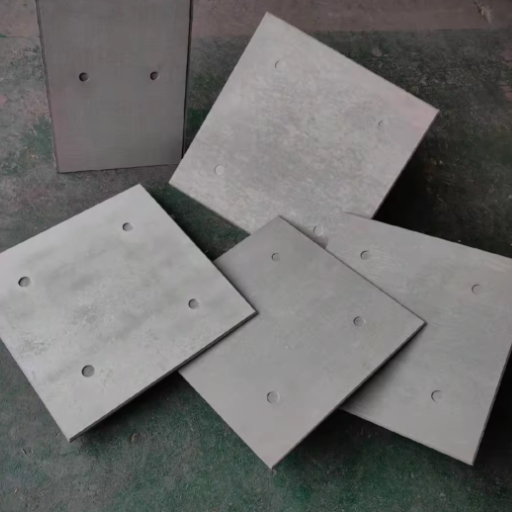
What are Concrete Wall Panels?
Concrete wall panels are architectural elements which construction workers create by casting concrete into pre-made panel forms which architects use for their design work throughout indoor and outdoor building projects. The panels exhibit durability together with multiple application possibilities which allow them to replicate different surface textures and visual effects that range from polished smooth finishes to natural stone textures and industrial-style raw concrete appearances. The concrete wall panels provide architects with a contemporary design system which enables them to create lightweight structures which designers find easy to install without compromising building strength. The system creates feature walls together with facades and partitions which designers use to achieve stylish functional design solutions for residential spaces and commercial buildings and industrial facilities. The development of manufacturing methods has produced environmentally friendly products which include panels constructed from sustainable materials, which have become more desirable for use in eco-friendly design projects.
Types of Concrete Panels for Industrial Use
When I evaluate concrete panels for industrial applications, I identify three primary panel types which meet distinct operational requirements. The first type is precast concrete panels, which are manufactured offsite and then transported to the installation location. The materials exhibit high durability together with exceptional structural capabilities, which enables their usage in warehouse and factory and storage facility applications. The construction process benefits from precast panels because they come as complete assemblies which workers can start building without delay, which results in decreased construction time and labor requirements.
The second type I study includes insulated concrete panels which function as both wall elements and insulation systems in industrial environments. The building material known as insulated concrete panels consists of multiple concrete layers combined with insulation components to achieve exceptional thermal performance which results in reduced energy expenses. The panels serve as an optimal solution for industries that need to maintain constant temperature ranges because they can keep indoor spaces stable while minimizing energy expenses for heating and cooling systems. The materials provide fire protection benefits together with extended durability, which improves safety standards for buildings.
Industrial construction projects have started to use tilt-up concrete panels. The panels are created through a casting process at the construction site before workers use them to erect building walls by tilting them into their designated positions. This construction method proves advantageous for constructing bigger buildings because it reduces transportation expenses while enabling the creation of oversized panels at the building site. Designers prefer tilt-up panels because they enable custom design solutions, which match both architectural and operational design patterns. Concrete panels offer various benefits which match the industrial project requirements, thus becoming essential components of contemporary construction practices.
Benefits of Using Concrete Wall Panels in Design
Concrete wall panels provide multiple advantages which make them essential materials for modern architectural design work. The system delivers outstanding durability because it can endure wind loads and moisture and temperature changes. The system provides long service life which leads to lower maintenance costs throughout its operational period. Another benefit of concrete wall panels is their capacity to decrease energy consumption because their thermal mass properties enable better control of indoor temperatures which lessens heating and cooling needs. The system provides design flexibility through its ability to produce different aesthetic results with multiple finish and color and texture options which serve both practical and decorative functions. The panels help construction projects finish faster because their simple installation process allows building crews to complete work without any delays while maintaining high construction standards. The system provides building designers with operational benefits which allow them to create sustainable construction designs that introduce new construction methods.
Designing with Concrete Wall Panels
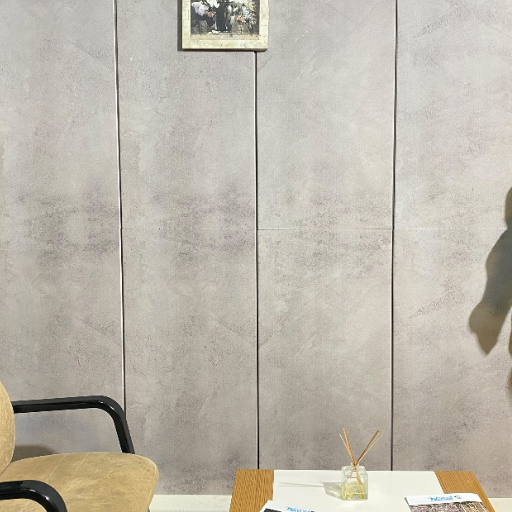
The Use of Concrete Wall Panels in Contemporary Interior Design
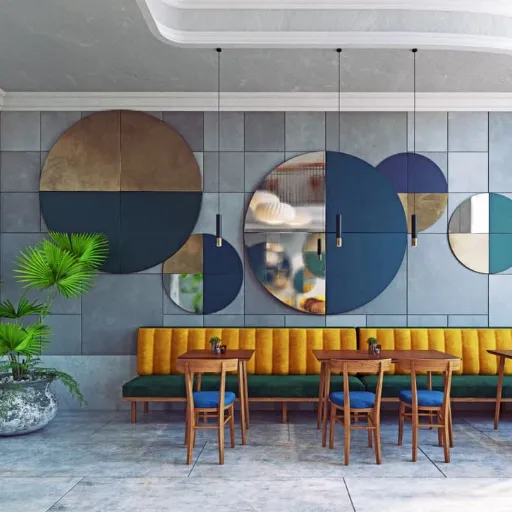
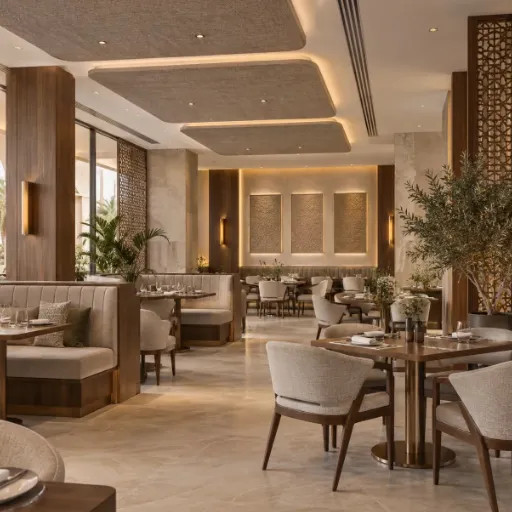
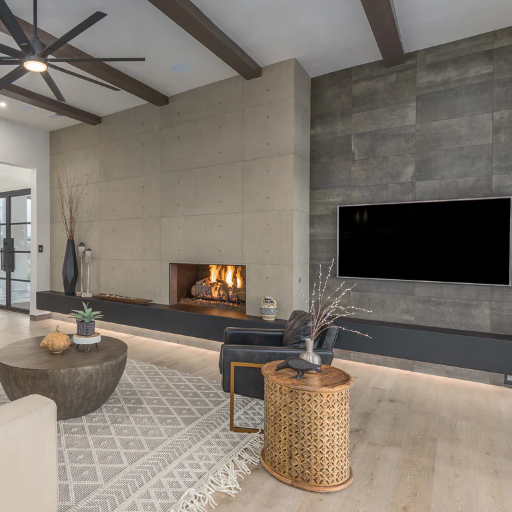
Architects use concrete wall panels in their designs because the panels combine practical use with visual attractiveness. The panels function as adaptable design elements which designers can use to create industrial spaces and minimalist environments and modern spaces and diverse design styles. The combination of their textured surfaces with their neutral colors produces visual depth while maintaining a classic appearance which works well with wood materials and metal elements and glass substances. The concrete panels provide an ideal solution for busy spaces because they require minimal upkeep and withstand heavy use in areas like living rooms and kitchens and office environments. The advanced manufacturing techniques enable designers to create custom space designs through custom finishes and pattern options which provide endless design possibilities for residential homeowners.
Color and Texture Options for Concrete Wall Panels
Concrete wall panels provide designers and homeowners with multiple color and texture choices which allow them to create unique interior designs that represent their individual design preferences. The panels come in standard gray tones which create an industrial or minimalist design but customers can select their desired colors by using pigments to create different earth tone and contemporary shade combinations. The special staining and finishing techniques create visual effects which display marbling effects and metallic sheens and gradient transitions. Concrete wall panels offer two different texture options which include smooth polished finishes that create modern designs and textured finishes that include rough-hewn and ribbed and patterned surfaces which create visual interest. The panels can achieve different looks through wood-grain imprints and geometric designs and organic patterns. The combination of customizable color options and texture selections enables concrete wall panels to match design concepts which include rustic and industrial and modern and eclectic styles.
Industrial Aesthetics and Decorative Materials should be combined in their design work
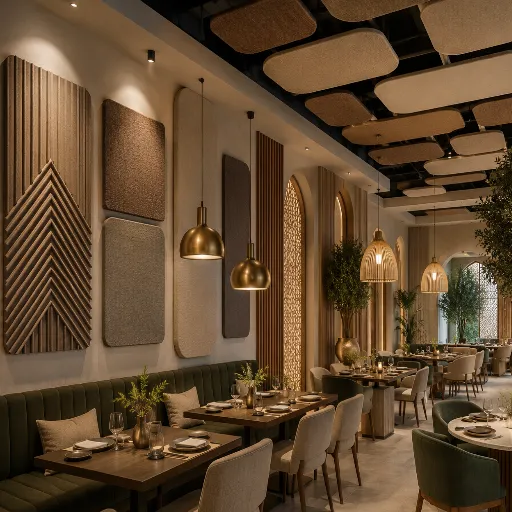
Modern design achieves its goal through the combination of functional elements and aesthetic elements which industrial materials like concrete bring together with decorative components. Designers use concrete wall panels which they enhance through the addition of metal trims and wood accents and embedded lighting features. The combination of materials creates dynamic texture effects which improve the visual appeal of a space while maintaining the strength and easy upkeep properties of industrial materials. Designers use decorative materials to reduce concrete’s harsh appearance which enables them to create unique interior designs for residential and commercial spaces.
Performance and Insulation of Concrete Wall Panels
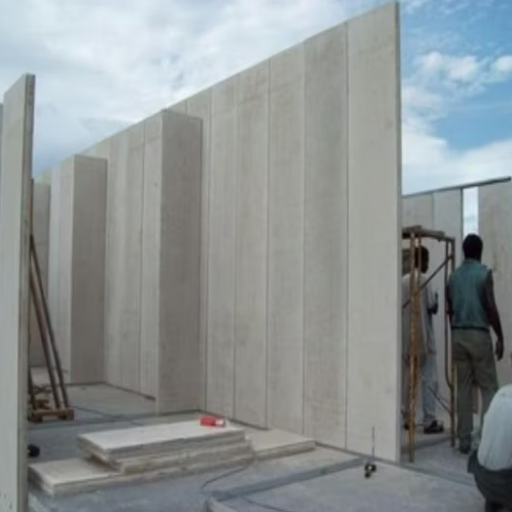
High-Performance Features of Modern Concrete Panels
Modern concrete panels use advanced technology which enables them to deliver exceptional performance throughout multiple use cases. The panels possess high compressive strength which enables them to endure heavy weight and extreme weather conditions. The new concrete panels today utilize modern thermal insulation technology which introduces new core materials and layered designs to achieve better energy efficiency while decreasing heating and cooling expenses. Modern concrete panels deliver essential noise reduction capabilities. The dense structure of the materials prevents sound from passing through which makes them suitable for use in urban areas that require effective soundproofing solutions. The current production techniques of manufacturing today adopt environmentally friendly methods because they use recycled materials and they decrease carbon emissions during the production process. The combination of concrete panels long lifespan and their need for minimal upkeep makes them attractive to users who want both practical use and visual appeal.
The Insulating Properties of Concrete Wall Panels
Concrete wall panels provide excellent insulation because their heavy weight and ability to store heat energy. The panels operate as heat storage systems which absorb and release thermal energy to keep indoor spaces at stable temperatures. The energy-efficient design results in decreased heating and cooling expenses which lead to ongoing financial advantages for both residential properties and commercial buildings. The newest manufacturing techniques enable the creation of materials with better insulation performance through the use of special additives and insulation components. Concrete wall panels create peaceful indoor spaces because they function as soundproofing materials. Their combination of strong durability and high energy efficiency with their ability to control sound makes them essential materials for environmentally friendly and practical building projects.
Lightweight vs. Traditional Concrete Wall Panels
The analysis of lightweight concrete wall panels and traditional concrete wall panels requires assessment of their weight characteristics and strength performance and construction expenses and thermal insulation capabilities. The handling and transportation of lightweight panels become easier because their design uses expanded polystyrene and foamed concrete and lightweight aggregates as building materials. The weight reduction results in decreased structural demand which leads to decreased building expenses especially for construction of high-rise structures. Traditional concrete panels achieve their reputation as strong building materials because of their outstanding strength and long-lasting nature. The materials provide complete protection to structures which require load capacity that exceeds normal limits and needs resistance to both weather and physical damage. Traditional panels possess higher weight yet they demonstrate better performance because they deliver greater stability which enables them to maintain their operational efficiency under challenging circumstances. The different thermal performance capabilities create another point of distinction between the two products. Lightweight panels provide superior insulation performance which decreases energy requirements needed for heating and cooling activities. The projects that focus on reducing energy consumption and protecting the environment choose this option as their preferred solution. Traditional panels, despite their lower insulation efficiency, possess superior thermal mass retention capability which enables them to maintain stable temperatures in specific climatic conditions. The selection process for lightweight or traditional panels requires evaluation of project requirements. The construction professionals together with architects determine the most effective solution by examining design needs and construction requirements and financial limitations.
Installation and Maintenance of Concrete Wall Panels
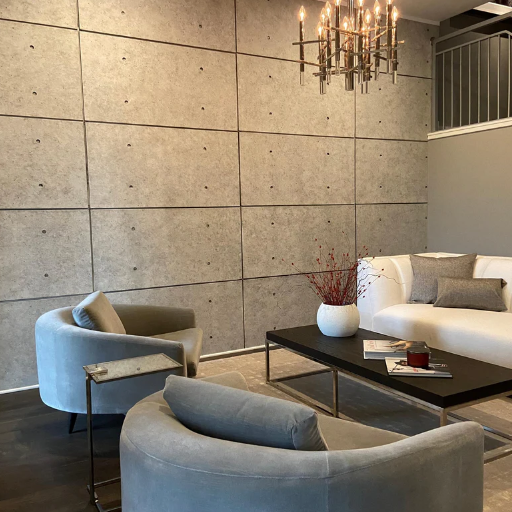
Steps for Installing Concrete Wall Panels
The installation of concrete wall panels begins with my site preparation work which creates a base that ensures accurate panel installation through proper alignment and panel support. This process requires two main tasks which include foundation inspection and debris removal and surface checking to confirm level and stable conditions. The proper measurements at this point establish panel installation locations which determine the success of the complete installation process. The layout marking occurs after I finish site preparation to provide straight path directions throughout the upcoming work phases. Next, I focus on panel attachment through the correct installation of hardware or adhesive according to the design specifications and panel type. The installation of precast concrete panels requires weight lifting equipment like cranes and hoists to achieve correct panel placement. The installation process requires complete panel alignment with the designated layout which technicians will fasten using anchors brackets and screws. The process involves checking for gaps and misalignments so that I can fix any problems that I find. The application of caulk or grout seals panel joints which protects against moisture infiltration while making the joints more visually appealing. The final task involves completing the finishing work before I conduct a complete inspection. The process requires two main tasks which include surface cleaning and cosmetic damage repair and protective coating application when needed. I conduct inspections to assess structural integrity while making sure that all elements comply with building regulations and project specifications. The panels will maintain their optimal condition through the process of regular maintenance which includes crack inspections and assessments of material degradation. The installation process will proceed smoothly through the execution of these detailed steps which will produce results that endure for an extended period.
Maintenance Tips for Longevity
All structures and installations require both regular inspections and prompt maintenance work to maintain their permanent strength. Start by performing regular checks to detect any signs of deterioration which include cracks and peeling and discoloration. The surface needs to undergo cleaning at regular intervals through non-abrasive techniques to stop dirt and mold and pollutants from accumulating and damaging materials. The protective coatings and sealants should be used to protect surfaces against damage from environmental elements including extreme weather conditions. The installation will achieve extended durability through compliance with manufacturer maintenance requirements and the execution of professional assessments who will determine necessary maintenance times.
Common Issues and Solutions in Wall Panel Installation
The process of installing wall panels becomes difficult when installers need to overcome challenges which create problems for both wall panel performance and visual appearance. The main problem arises when installers do not prepare surfaces correctly which results in two negative outcomes that include improper panel adhesion and an uneven surface finish. The installation process requires cleaning, drying, and leveling the substrate before work begins on the project. The use of high-quality adhesive materials which match the panel components will establish strong connection points which will stop sticking difficulties. The most common problem occurs when technicians make measurement errors which lead to panel alignment issues that create visible gaps and pattern distortions. The installation process requires detailed project planning which needs correct measurements and level tools for successful execution. The process of testing panel alignment through dry fitting helps determine whether panels will correctly match their designated positions. The installation of materials requires special attention because moisture can enter through buildings which experience high humidity levels especially in bathrooms and kitchens. The combination of moisture-resistant materials and proper edge sealing and proper edge sealing and proper ventilation systems create protection against water damage and material distortion. The panels will start to lose stability because the installation used insufficient fastening methods. The secure and long-lasting outcome will be achieved through the implementation of manufacturer-designated fasteners which include screws and clips and adhesives. The wall panel installation will achieve both durability and aesthetic appeal through the implementation of proactive solutions to existing problems.
Future Trends in Concrete Wall Panel Design
Innovative Technologies in Concrete Panel Production
The concrete panel production process benefits from technological advancements which create sustainable and efficient operational methods. The main technological development enables carbon capture through its carbon-utilization systems which were integrated into production processes. Manufacturers demonstrate this through their development of carbon-sequestering concrete techniques which enable concrete production to capture carbon dioxide, thus achieving lower environmental impact for their products. The industry is increasingly adopting recycled aggregates together with industrial by-products which include fly ash and slag to achieve better strength and environmental sustainability. 3D printing technology provides a new opportunity for creating concrete panels through its use in panel production. The technology creates complex, personalized designs which designers previously thought to be unachievable because they would require excessive financial resources. 3D printing technology brings environmental benefits through its reduction of material waste together with its ability to create products more efficiently. The construction industry is increasingly adopting lightweight concrete panels which incorporate modern performance-enhancing materials. The panels enable architectural teams to achieve high strength results while enjoying simplified installation and transportation processes which solve their most difficult architectural challenges. Concrete panel production methods now undergo transformation through the introduction of automated systems and intelligent manufacturing techniques. AI-based integration together with real-time data monitoring enables manufacturers to enhance their production lines, achieving better operational accuracy and product output. The design industry experiences a dual advantage from this trend because it increases work efficiency while creating opportunities for designers to develop project-specific design solutions. The upcoming advancements in concrete panel technology will establish more efficient and environmentally friendly construction materials which meet the requirements of contemporary building practices.
Eco-Friendly Options in Concrete Wall Panels
The construction industry shows increased interest in sustainable development through the adoption of eco-friendly concrete wall panels. Recycled materials provide a popular solution because they enable the use of fly ash and ground granulated blast-furnace slag (GGBS) as alternatives to traditional cement which results in substantial carbon emission reductions. The manufacturing process of panels which use advanced energy-efficient curing methods results in reduced environmental effects. The innovative use of lightweight aerated concrete mixtures enables two benefits because it decreases material needs and enhances insulation performance. The eco-friendly solutions of today create a new direction for building materials which deliver both functional performance and environmental protection in current construction methods.
The Evolution of Industrial Design with Concrete Materials
Technological advancements have improved concrete’s industrial design application because they enable designers to create more flexible designs while achieving better visual results. Designers and architects use modern casting methods together with digital design tools to produce unique material shapes and surface patterns and finishing techniques which were previously unachievable. The 3D printing method which uses concrete material has transformed construction methods because it enables builders to create complex architectural designs with high accuracy and operational effectiveness. Self-healing concrete uses embedded bacteria to fix its own cracks which enables the creation of robust and environmentally friendly constructions. These innovative uses of concrete demonstrate how technological advancements create new design possibilities which make concrete an essential material for modern industrial design work.
Reference Sources
-
Researching Materials to Create Insulating and Decorating Wall and Floor Tiles from Concrete
Source: iopscience.iop.org
Link: https://iopscience.iop.org/article/10.1088/1757-899X/869/3/032021/meta
Relevance: Explores the use of decorative colored concrete for facade walls and its insulation properties.
Compressive Strength, Thermal Reflectivity, and Energy Saving of Nano-TiO2-Based Inorganic Decorative Panels
Source: ScienceDirect
Link: https://www.sciencedirect.com/science/article/pii/S2214509524001992
Relevance: Discusses the energy-saving and thermal properties of decorative panels made with advanced materials.
Application of the Interior Decoration Materials in Environmental Engineering
Source: atlantis-press.com
Link: https://www.atlantis-press.com/proceedings/icimm-15/25496
Relevance: Examines the role of materials like concrete in interior decoration and environmental engineering.
Frequently Asked Questions (FAQs)
Are concrete wall panels durable enough for commercial projects?
Concrete wall panels provide high durability which makes them suitable for both commercial and residential construction projects because they meet material standards. The superior performance of the panels enables them to endure extreme operational conditions which makes them the preferred choice for applications requiring permanent solutions. The panels deliver structural strength through their fire and water protection features which comply with multiple standard building codes. Architects use cast or thin panels in commercial projects because these elements provide natural aesthetics and distinct architectural styles. The building design offers multiple custom finish options and cladding choices which enable the design to suit both modern industrial and traditional architectural styles.
Do concrete wall panels enhance the aesthetic and tactile experience of residential and commercial spaces?
Concrete wall panels provide a strong contemporary industrial design which improves the appearance of residential and commercial spaces. Designers and architects prefer real concrete texture because it delivers authentic beauty and creates architectural presence. The panels can be finished to create either cast pattern effects or square grid designs or smooth narrow profiles to achieve the required appearance. The product helps projects achieve a high-quality appearance while serving as an effective solution that replaces traditional heavy masonry materials. The custom options enable the product to match both indoor wall systems and outdoor architectural features.
What exterior factors need to be assessed when evaluating the performance of concrete wall panels?
Panels require water resistance and fire performance assessment and long-term environmental exposure testing to guarantee their durability for outdoor applications. The installation details and flashing system and sealants need proper execution to protect against water intrusion while preserving the panel’s appearance and quality. Engineers designed many panels to withstand environmental loads and freeze-thaw cycles which enables their use in various climatic conditions. Architects use cast panel systems and thin panel systems to meet their project design requirements and operational needs. The panels provide thermal mass advantages which enhance the building envelope energy performance.
What materials provide better wall protection than concrete wall panels?
Concrete wall panels demonstrate better strength and fire protection and unique architectural design than all other cladding materials. The system offers flexible design options because it enables custom panel production together with standard panel dimensions which meet various project specifications while decreasing field assembly duration. Concrete panels deliver a weight advantage for handling purposes but they provide a building’s exterior with permanent beauty through their natural appearance and durable materials. Concrete usage becomes an architectural choice because its visual beauty and design adaptability and industrial style create modern architectural appeal. The system demonstrates suitability for both upcoming construction projects and existing building renovation work.
Are thin concrete wall panels a viable option for retrofitting existing buildings?
Thin concrete wall panels serve as an ideal solution for retrofit projects because they maintain the authentic appearance of concrete while using less weight for their installation. The lightweight design enables installation on current buildings without the need for major structural upgrades which makes it suitable for use in residential and commercial spaces. The building design requirements can be met through the selection of custom sizes and both square and large-format panel options. The thin panels still deliver multiple advantages which include their ability to resist fire and water damage when detailed correctly. For architects and builders, they represent a high-quality, versatile choice that advances the project’s visual and performance objectives.
Categories:
Blog
Tags:
Design & Inspiration
Related Articles