Flexible Stone Tile: Revolutionizing Curved Wall Designs
Introduction to Flexible Stone Tiles
What do you understand about the term ‘Flexible Stone Tile’?
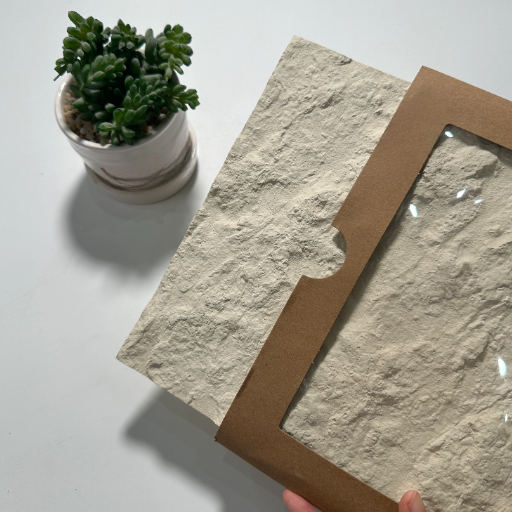
This stone tile is an innovation made from cutting a thin layer of a stone sheet on another surface that can be contoured and firm which is bending suppressed. It is said to be innovative as it gives the appearance of a traditional stone and still is convenient in terms of aesthetics and very easy to fit. Unlike the traditional stone tiles, stone tiles are very light, strong and flexible hence can be curved, these properties make it possible for them to be curved on almost any surface, such as walls, supports and even fixed furniture. The characteristics of the natural stone, its entirety, normal beauty, are still maintained by these stone types, and limitations that accompany natural stones have been removed and it is suitable even for the most imaginative and modern design. It also supports eco-friendly tiles since much of their materials are slate, cement, or glass which is also good for both indoors and outdoors.
How Construction Industry Can Improve Offsite Manufacturing
Based on my experience, flexible stone veneer is a special kind of stone finishing that satisfies both ornamental, practical and quality characteristics as no any other stone has been so far. Particularly, it can be made very light owing to its light factor enabling it to be very soft and convenient for the hands. With far less ‘conductorate’ assembling cases than typical slabs, this is why flexible finishing is touchdown since people need removing the installation helpers within short period. It is due to this that they can conform to the wall and can curve around before executing their walls as narrow as possible for more artistic and complex designs.
They are incredibly long-lived and can cope with even the most extreme weather conditions. No worries about flexible stone veneer as it is resistant to bad weather, excellent both inside and outside. Be it introducing an architectural stone cladding, protecting the wall with a decorative painting or just adding an accent to the ribbed wall, such an artificial stone is still pretty in appearance and does not fade, crack or absorb moisture even if it is kept out in the sun, in the rain, in harsh cold or in high temperatures for ages. Moreover, many suppliers do their best to consider environmental aspects and purpose such structures from stones which are found or discarded as waste. This way it is environmentally sound and goes in line with the need for the increase of eco-friendly construction materials.
Finally, the flexible stone veneer is economical as compared to traditional stone solutions. It requires less transportation frequency, time of installation and upkeep which makes it appear high-end. In other words, for anyone who is interested in deploying luxury along with work ease, flexible stone veneer turns out to be a pretty good solution that suits well the modern decor requirements.
Uses of Latest Design Trends
Fashionable, technologically advanced applications of a stone are almost limitless. Due to its flexibility and attractiveness, the flexible stone is now widely used in several modern design applications. More often than not, it is used in homes for deigning in ways that alter the looks of walls, fireplaces, and even pieces of furniture by transforming them into elegantly designed works. Its lightness also allows extending its application to spaces that would be otherwise unsuitable for regular stone, such as cupboards or ceilings.
You can also find flexible stone veneer in commercial spaces where it is utilized to improve the elegance of retail outlets, corporate facilities, and any welcoming gathering spots. This is due to the fact that stone veneer can be incorporated into the structure. Use the stone veneer in cladding, panel or even accent locations considering an opulent and up-to-date look. Also, in an exterior environment, flexible stone veneer can create wear-resistant and elegant surfaces like patios, garden walls, and outdoor cookouts. The proponents of the material’s nature as sellable, as well as the speed and ease with which it may be installed, along with its versatility – make it very appealing in the current time for architects and interior designers striving for the construction of ultramodern, pubescent, and comfortable designs.
Understanding Natural Stone and Its Versatility
What are the Different Types of Flexibly Used Natural Stones in Tiles?
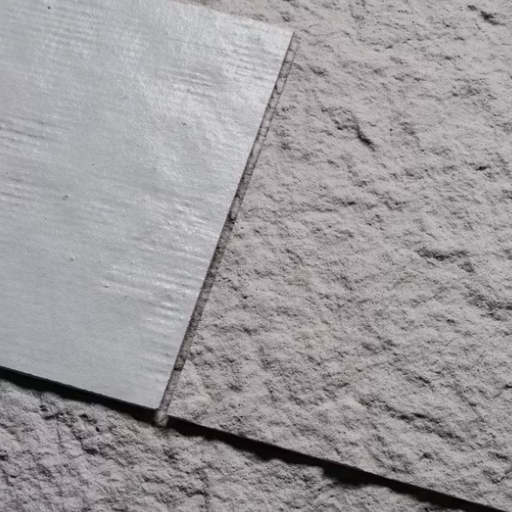
Flexible or bendable tiles are those which are made in manufacturing using different natural stones from generally its colors, shade and characteristics. Some examples include slate that offers these bold and earthy hues together in multiple layers making it an all fit for unconventional and modern structures. Conversely, sandstone acts as the specific light in color and soft in tone with natural grains appreciated and sights that combined suit with all kinds of forms of concrete styles. Marble, on the other hand has its classic, timeless beauty with patterns of veining which hallmarks an elegance and a certain richness wherever it is found. The prevalence of quartzite should also be mentioned, as this mineral has decent strength but low nouances which is day turned into pleasance. This is natural in line with the latter stones as these types of tiles are made in such a manner that the materials incurring in those tiles assist the design in different places as the sizes and contours can be made different depending on the wanted design.
Comparing Flexible Stone to Traditional Stone
| Feature | Flexible Stone | Traditional Stone |
|---|---|---|
| Weight | Ultra-lightweight | Heavy / Bulky |
| Installation | Simple adhesive application | Complex masonry/support |
| Versatility | Can curve and shape | Rigid / Flat only |
| Sustainability | Eco-friendly (less raw material) | Resource intensive |
Every kind of material comes with its pros and cons and this in all the cases it is practical to take into consideration the aesthetic effect, the material cost, and the specific function of the component. For instance, flexible stone is a term used to describe a flexible substrate that has a thin layer of natural stone. The main advantage of flexible material, is that using when it is impractical to use stone, makes it a very light option. Not classical materials are added, that is why it is possible even to cope without complicated support systems for wooden piles.
There’s something to the effect that the classic stone seems ever so strong, for it ages so gracefully that many pieces remain for many years. At the same time, this bulky material’s capacity applications to -air nature buildings or any types of structural retrofit may not be feasible because of its weight. Flexible stone is a product of current times which has the advantages of classic stone with the advantage that it can be shaped in to any surface or can be mounted at a place where stones, that are normally bulky, would be inconvenient.
Indoor and Outdoor Applications
Flexible stone has shown great diversity in its applications for both indoor and outdoor spaces. It is an attractive and reliable material for a number of different projects. Indeed, indoors may typically see it as the accent walls, countertops as well as the backsplashes, providing the rich appearance of the decorative stone without bearing the space. Besides, its light and elastic qualities make its mounting on current surfaces more effective which in turn helps to save both materials and labour during construction.
The outdoor areas are one such example where the benefits of exterior design with flexible stone are realised, as these areas become more functional and environmentally sustainable. Outdoor floors, walls, terraces, and, in some cases, the full exterior of a building are constructed using natural stone simply because of its durability and ability to withstand the weather. Composite stone, on the other hand, overcomes this limitation completely and can be used in a multitude of applications without any problems. Its superior stain resistance and water resistance qualities make natural stone suited to even high traffic areas. The other advantage of this product is that slabs are usually relatively thin and light, which in turn reduces the embodied energy associated with transportation to the construction site. Not only is this green building technology, but it is effective and attractive as well. Or put simply, modern interior and exterior decorations are very well done when flexible stones are used.
Lightweight and Durable Solutions
Advantages of Using State of the Art Lightweight Stone Veneers
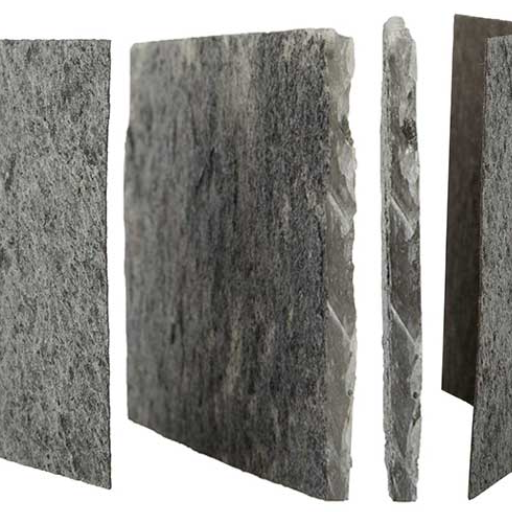
In modern architecture and design, lightweight stone veneers have turned to be the most preferred. There are many advantages of lightweight stone veneer products including how easy it is to install them. How? These lightweight products carry a little weight reducing the need for more structural support that implies time efficient application of the veneers on almost any surfaces. This translates to less use of material and labor and therefore leads to cost savings. It should also be mentioned that lightweight veneers are also built to last since they are engineered so that they do not break, become eroded, or subject to other elements of wear over time.
Another significant advantage is the ease with which they can be used in different design projects. Considered to be versatile materials, lightweight stone veneers could be utilized in the buildings via mimicking natural stone can counterbalance the image disorder provided by such and these without the high cost which the natural stone goes for. They are also available in various colors and textures catering to most design intentions.
To break it down environmentally, these lightweight stone veneers being manufactured do practice sustainability, from production, there is less wastage and energy, resulting well creation of waste. Such factors as the weight also make them a transportation friendly option that promotion green build concept use joins the argument. For these reasons, lightweight stone veneers are often viewed as a great option for both aesthetic applications within a building and a building’s external applications.
Sustainability and Repair of Softened Jerseys
Soft jerseys have become very popular in the recent times with their appearance resembling an easy and un-creative sculpture made of solid block of stone using flexible as well as rigid materials. It is common practice when using the reinforced block for creating a visual natural stone coating. It is also used to cover the external wall with natural stone dust. Such a natural stone, although strong, should not undergo changes of such a form capable of cracking or weathering, and stay for longer periods than the ordinary stones.
When it comes to preserving the fine quality, flexible stone tiles are not difficult to take care of and uses very little resources. What is effective in making them last longer is ordinary washing with a mild detergent and water, although in some cases sealing may be required. The natural texture of flexible stone, its light weight, and thin structure not only introduce ease in installing this material but makes for structurally uncomplicated repair and amendments of the same over time too. Even when placed under adverse conditions, flexible stone tiles can sustain their visual and structural integrity for a long time. This is why it makes sense to consider including such materials in the design of space.
Flexible stone tile highly marks itself as an option that is less economically inhibiting compared to traditional stone material. Although the cost per square foot is typically different depending on the type of stone and the finishes available, the elimination of the extra weight and the ease of installation suggests that there will be significant labor savings. The heavier, inflexible, stone tile which might necessitate a heavy investment in both machinery, and additional supporting structures, is quite different from the light, efficient stone tile. This has reduced effort in terms of application, reduced investment and consequently the overall cost of installation. Moreover, the fact that the material can be dropped, walked or simply used without incurring potential damage means that the repair or maintenance costs would also be reduced since neither house nor workplace will frequently need changing of the tiles unlike the conventional ones. These lower costs, when incorporated both in the long and short terms, attractive in the sense that thin natural stone will provide firewalling system that is cost friendly but still fulfills both aesthetic and quality purposes.
Installation Techniques for Flexible Stone Tiles
Getting the Surface Ready for the Project
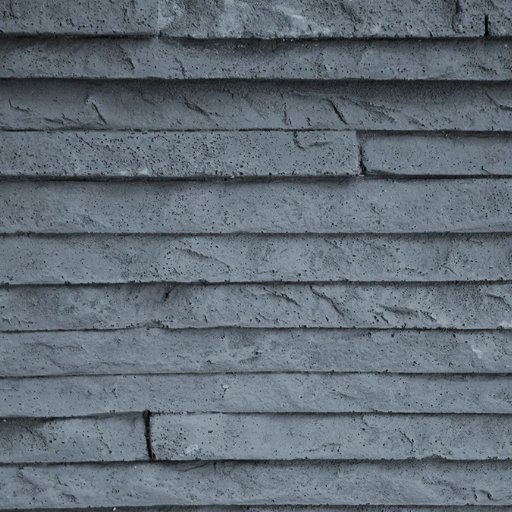
Perfectly cleaned smooth surfaces are required to allow the laying of flexible tiles. There is primary cleaning work that is done to ensure that the surfaces are not compromised by soil, water, dirt, oils or any other materials that may hinder the adhesive from effectively clinging. The quoted surface should always be dry, even, and in perfect condition ready to accept tiles. If the surface is not level, a suitably composed leveling compound is used to form an even base. It is always advisable to identify whether the adhesive can actually hold the substrate so as to avoid lagging. With such level of keen concentration and focus to all relevant issues, you will be able to install wall tile that is solid, free from imperfections, and will last long and most importantly look good.
How to Install Flexible Stone Veneer in 6 Steps
1. Get the tools you need
And to avoid too many numbers in the fores of the exciting process – get yourself prepared beforehand. The tools and materials that you will require include flexible stone veneer sheets, the applicable adhesive, a notched trowel, utility knife, tape measure, level and a piece of cloth.
And to avoid too many numbers in the fores of the exciting process – get yourself prepared beforehand. The tools and materials that you will require include flexible stone veneer sheets, the applicable adhesive, a notched trowel, utility knife, tape measure, level and a piece of cloth.
2. Take measurements and make a plan
Before you think of constructing it, all the measurements must be correct otherwise you will end up wasting construction materials. accurately measure the surface area and lay out the stone veneer sheets accordingly. And work from the edge of; overlap the veneer sheets bottom to top if all the other layers are in making this will not be in the case. Mark straight lines directly on the veneer so that you can determine where the veneer went through and needs to be cut off.
Before you think of constructing it, all the measurements must be correct otherwise you will end up wasting construction materials. accurately measure the surface area and lay out the stone veneer sheets accordingly. And work from the edge of; overlap the veneer sheets bottom to top if all the other layers are in making this will not be in the case. Mark straight lines directly on the veneer so that you can determine where the veneer went through and needs to be cut off.
3. Install the Veneer Sheets
Highly customizable stone thin sheets are available for users in need of such a feature. You can easily customize them by dragging a utility knife or a pair of Domestic scissors and making them as you wish. Be sure that you always measure twice and cut once just to make sure that the alignment is close. This is particularly important when dealing with tricky cuts such as corners, round outlets, and the likes.
Highly customizable stone thin sheets are available for users in need of such a feature. You can easily customize them by dragging a utility knife or a pair of Domestic scissors and making them as you wish. Be sure that you always measure twice and cut once just to make sure that the alignment is close. This is particularly important when dealing with tricky cuts such as corners, round outlets, and the likes.
4. Application of the Glue
Use a notched trowel to put adhesive on the prepared surface in a level manner. Work on it in a few segments at a time to ensure that it will not be congested by the time the sheets are mounted.
Use a notched trowel to put adhesive on the prepared surface in a level manner. Work on it in a few segments at a time to ensure that it will not be congested by the time the sheets are mounted.
5. Setting Stone Sheets
Take your first piece and stick it to the drywall from the bottom side before moving upwards. Bring out the level, check the horizontalness and where necessary, adjust as well. Wipe any wrinkles or trapped air with your hands, or using a soft rug, to avoid any buckling occurring.
Take your first piece and stick it to the drywall from the bottom side before moving upwards. Bring out the level, check the horizontalness and where necessary, adjust as well. Wipe any wrinkles or trapped air with your hands, or using a soft rug, to avoid any buckling occurring.
6. Maintain the Veneer
If you want the flexible stone veneer to look beautiful for many years, simple steps like washing and drying should be taken along with keeping it away from water to avoid vapor and humidity. When veneer flexible stone is to be used on the exterior of a building, it is advisable to apply a sealer to the stone after it has been installed to protect it from exposure.
If you want the flexible stone veneer to look beautiful for many years, simple steps like washing and drying should be taken along with keeping it away from water to avoid vapor and humidity. When veneer flexible stone is to be used on the exterior of a building, it is advisable to apply a sealer to the stone after it has been installed to protect it from exposure.
Problems and How to Overcome Them
Working on a range of products has however presented many challenges to me. A good example that comes to mind is maneuverability in the case where pressure sensitive or flexible stone veneer is applied. The greatest difficulty arises due to the fact that the panels are never fitted as detailed even if the mason is very good. As a solution to this, an adage that features the contextual topics of how professionalism in the trade is accompanied is preparation is necessary and associated preparation is the best policy. In this context I am talking of preparation when I mean professional attitude, for instance the walls; they have to be clean and dry, all dust or grease had to be removed before application of any adhesives. Application of the right adhesive is also important, and here it is best to analyze European Tile & Stone at their installation guidelines to select an appropriate adhesive that is fitting all the materials in the system. Furthermore, it is recommended that consistent vertical pressure should be applied during installation so that the veneer is pushed into full contact with the substrate.
Handling of improper cuts or alignment is the one of the difficulties that came up. Flexible stone veneers can be a little bit challenging to work with especially cutting. Because if you are cutting you need a high level of accuracy in order to make the cuts seamless any cutting tool including a dremel and the like. One thing that I do to manage this is i always use a sharp cutting tool such as a utility knife or special material cutting shears. Equally helpful is creating a guide which I use while cutting, such that after I have marked and measured the cutting points, I recheck them before cutting to ensure that no errors are made. For the situation where the cuts meet, it is important to prepare information and depending on the type of support apply equipment or procedure that would help in producing a defined boundary.
In conclusion, building something that can withstand moisture and intense pressure can be at times such areas are hard to come by. Flexible stone veneers, for example, that are tough and easy to install, still often have to be sealed properly especially when exposed to extreme weather or water like in bathrooms, for example. Specifically, I use a high-grade sealer that enhances the stone’s durability and adds a feature that protects it from the external agents such as water and sun. I recognize that nothing lasts forever, although the application of aids like maintenance actions, for instance, washing the surface with mild but effective agents that will not corrode in case of stones, well, if there are any, and looking for any damage, od wear from time to time keeps it in good condition and adds to its value. It is these active measures that have made it possible for me to take up and adequately deal with such obstacles so that the projects are neither frustrated nor fall short of the beauty that are duly rebuffed.
Conclusion: The Future of Stone Wall Design
Stand Design Based on Flexibility
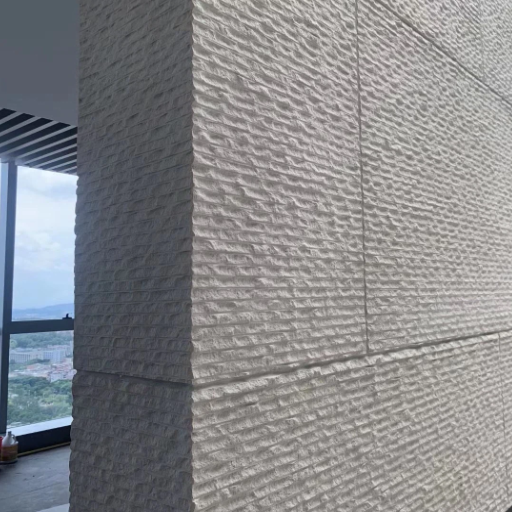
Employing variety in design opens up endless doors of opportunities to produce what we now call spaces that are both beautiful and useful. This option is disadvantageous in such a way that it makes it hard for the designers to incorporate contemporary fittings and materials of diverse styles hence offsetting harmony between function and form. Due to the current state of a society’s development, the design should be affected by these elements; its concepts and solutions should address sustainable relationship between people and nature; and areas focused on comfort of people should be modified. References to the new materials and the transformations that they would produce should, therefore, be put under acceptable designs that would be current at that time and in the future. When constructing contemporary operations and practical solutions in operative element like Stone Wall or Copper roof versions, this capacity to change and adapt to different kinds of situations becomes more necessary.
Final Thoughts on the Use of Flexible Stone Tiles
The invention of flexible stone tiles has revolutionized the material used in modern design by infusing the beauty of natural stone with the need for cutting edge material solutions in creative fields. They are not only easy to handle and versatile to fit all kinds of applications be it for businesses or residential areas. They can be seamlessly incorporated onto different surfaces and their hardness ensures the prolonged use of the material and natural looks of the stone. In addition, these flexible stone tiles are in line with the rising need for less impact on the environment and more sustainable habits in design, with a lot of emphasis being made on green ways to manufacture such stones. Thus, keeping abreast with such trends would enable an architect or a designer to exploit the advantages offered by such a material to achieve the best results paired with meeting the demands of the present.
Predicting the Future: Prospects of Stone Masonry
The world grows every year; every new feature is inherent to the sphere of stone building – not necessarily in the technology applied but in the masterpieces themselves. A new pattern has now emerged towards what may be projected as the future; as witnessed, the integration of digital tools has become an essential part of the new techniques. 3D models and machines for cutting stone enables to make the production much more sensitive and fast for the purpose of which difficult designs can easily be produced. Moreover, cases of the jar and composite stones are on the rise, as the binding would be lighter and more proportional. This means structures can be built faster and more beautifully as the components can take any shape or design necessary without affecting their strength.
The preference for stone resource in a sustainable manner, also called environmental sourcing strategy or green procurement, is becoming increasingly popular. The preference for sustainable environmental sourcing of stone, the way upto its wallmounting installation is already well established from the joint plant nursery uses with sustainable production of the industrial plants to common household items and applications. Latest improvements are aimed at improving the operational aspects and structures using natural stone in construction which would require minimal care and maintenance. These developments—ready-made information and professional advice—allow us to think that within a foreseeable period of time these two points of view will not be brackets about “traditional” stone masonry but rather the demand for a craft and cutting edge technology are balanced in stone structures.
Reference Sources
Technology and Laboratory Research on Flexible Stones
Source: bulletin.am
Link: https://bulletin.am/wp-content/uploads/2020/04/7.pdf
Relevance: Explores the development and properties of flexible stones, including their applications and optimal binding materials.
Thin-Stone Veneer Building Facades: Evolution and Preservation
Source: JSTOR
Link: https://www.jstor.org/stable/1504690
Relevance: Analyzes the history, evolution, and preservation techniques of thin-stone veneers in building facades.
Case Study of Stone Veneer Failure
Source: ASCE LIBRARY
Link: https://ascelibrary.org/doi/abs/10.1061/40853(217)12
Relevance: Investigates common issues in stone veneer systems, such as delamination and structural movement, providing insights into their maintenance.
FREQUENTLY ASKED QUESTIONS
What is flexible natural stone wall panels and how do they differ from traditional stone?
Real, natural various wall stones are artistic thin stone decor with real, thin stone that has been removed and backed up to the thin steel slab, carpet, or composite wall in order to get some wall stones or wall paneling that is lightweight and easy to work with. More importantly than the broad slab or full thickness stone, is the use of the stones above. The stone offers the beauty of stone walls while not adding any extra weight; that is, the panels can be used in exterior walls as well as interior walls or even on walls once tiles or drywall have been installed in them. The lower wall panels give the illusion, and stone mullion profiles maintain the external look of real natural slate, sandstone or marble finishing but in a way that such inserts can be fixed into curved walls and create patterns. They are utilized in circumstances where the roof’s structure is capable of supporting very heavy elements aside from cladding; and curved surfaces, such as mosaics, are a necessity in the project. These are so thin, natural stone and so on, for this reason, any of these natural stone types are convenient for accent walls, backsplashes, and commercial spaces as they are aesthetic and light at the same time. Normally, applications are carried out by adhesives intended for home repairs or a stone-setting mortar or a stone backer coat and it can be less time-consuming and invasive than stone veneer installation.
Is it safe to apply thin and bending fake brick outside and meet the conditions of the impact of weather?
Certainly, high quality thin and bendable fake stone is made for both indoor and outdoor uses and is designed to endure rough weather when properly installed. The profile, be it sandstone, stonewall, or even granite, along with proper bonding means and techniques ensures both the aesthetics of natural stone and its durability against the outdoors. Natural stone, however, is real and is very difficult to avoid obvious effects. Most direct examples damage by wind and water. Another research that makes aerogel more durable to withstand any damages. Also, the many flexible stone sheets are fitted with additional laminated or polymer fabrics in order to increase the utility of the stone without introducing it into the expensive range by which they are most suitable for installation on exterior building facades and in-situ walls. It is able to accomplish internal floors by the flexible tiled flooring using a fully bonded technique. Yet, external floors remain the most exploited elements. For fitting to external walls, a suitable range of structural seals is available that allows the veneer to be bonded only along the edges without compromising the required drainage. These decorating ideas show how fake stone was built as a stone wall at the gypsum pop ceiling.
How can I trim and lay ultra-thin natural stone sheets on curved surfaces?
Extremely light and bendable in nature, the thin stone veneer is good for cutting with ordinary tools like utility knife for cutting the insulation at the back and diamond blade for cutting the stone face, and is very easy to shape for fixing purpose. Their bendable construction allows these sheets with real stones and backing in fibre glass or composite materials to shape around the gentle curves, augmenting as well as extending the adjoining components such as pilasters in the wall openings. For instance, in order to secure the stone-like finishing on such surfaces as drywall, cement backer board or even on previously laid tiles, the panels can be glued together with a natural construction adhesive specifically designed for stone. Since it is thin stone and allows a slight bending, it can be used for decorations like decorative accents of mosaics and complex compositions while preserving the beauty of natural stone. Make sure to also allow the recommended time for the substrate to be prepared and fully cured according to the manufacturer’s setting times so the intended finish would be achieved as well as last longer.
Is there any faux stone product out there that mimics the appearance of a fireplace surround made out of natural, or cultured stones?
Yes, even more specifically, there are some convenient and flexible natural stone works that look like real or imitation real slate, natural slate, sandstone, and even such a precious material as marbling making them best suitable for focal areas such as a fireplace where there is importance on texture and, because it is a feature, on overall ambience. Optical illusions are visual effects devised introducing. Real natural stone panels or veneer-stone thin sheets for a fireplace is a pleasant construction technique though may seem somewhat advanced. This exquisite quality of natural stones easily carved into slabs can be easily clad onto low density stones and even light ones. For instance when one adheres to the epitome of tradition in the use of stone overlays best sizes of stones for that purpose will be employed declining chances of splitting. Wall panels are so framed full of pattern while the freedom of constructing building is so much enhanced like never before. No wonder most professionals see flexible stones tremendously effective, in the way of providing the said advanced beauty yet real look of stones.
Categories:
Blog
Tags:
Design & Inspiration
Related Articles