How to Install WPC Slat Wall Panels: A Step-by-Step Guide
The installation of WPC (Wood-Plastic Composite) slat wall panels provides an intelligent and attractive method to change your interior space at home or your commercial property or any other location. The panels combine durable and environmentally friendly properties with outstanding workability which makes them popular with both DIY enthusiasts and professionals. This guide will direct you through the installation process by providing a step-by-step method which will help you achieve a perfect finish without any difficulties. The article will equip you with everything needed to turn your creative ideas into reality because it will teach you essential skills for any project you want to execute.
Understanding WPC Slat Wall Panels
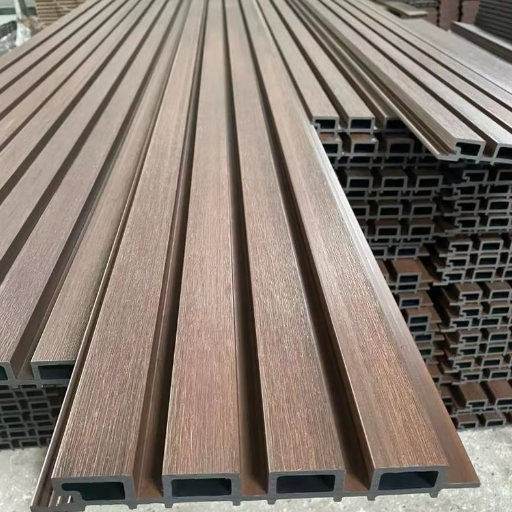
What are WPC Slat Wall Panels?
WPC (Wood Plastic Composite) slat wall panels provide designers with a flexible contemporary solution to create organized interior spaces. The panels create an environmentally friendly material which combines wood fibers with recyclable thermoplastics to produce a product that remains durable throughout its life. WPC slat wall panels create a visual effect that resembles natural wood because they protect against water damage and insect invasion and show improved durability. This makes them an ideal choice for both residential and commercial spaces because they can be used as accent walls and storage solutions and decorative installations. The material provides quick installation through its combination of lightweight properties and durable performance, while the product’s eco-friendly attributes and long-lasting nature have made it a preferred choice for sustainable building construction.
Benefits of Using WPC Panels
From my perspective, WPC (Wood Plastic Composite) panels offer a blend of practicality and modernity that is hard to match. The panels provide a major advantage because they withstand extreme conditions. The panels protect their structural strength and visual appearance because they effectively resist moisture damage and rot and termite attacks. WPC panels provide better performance than traditional wood because they remain stable without warping or cracking or splintering in environments with changing weather and high humidity found in kitchens and bathrooms and outdoor areas. The system provides dependable performance because it minimizes both maintenance needs and associated expenses, which benefits all extended operations. Another important advantage of the system exists because it demonstrates environmental sustainability. WPC panels use recycled wood fibers and plastic materials as their primary components which creates sustainable products that help decrease waste. The material selection process enables wood conservation because it decreases the requirement for natural timber resources. The recyclable aspect of the product shows how it supports environmentally sustainable living practices. I find comfort in the fact that their manufacturing process generates fewer dangerous emissions than conventional building materials which supports international sustainable development objectives. WPC panels provide designers with their ability to create different design options. The panels come in multiple color options and texture options and finish options which replicate the sophisticated appearance of natural wood and custom design features. The lightweight material of the system enables workers to move it easily while they can install it rapidly which helps them reduce their construction work and renovation tasks. The panels serve as functional decorative elements which architects and designers use to create designs for homes and businesses. The combination of advantages makes WPC panels the preferred choice for current sustainable design requirements.
Applications of Slat Wall Paneling
Slat wall paneling provides exceptional design flexibility which can be utilized for practical applications in both residential homes and commercial buildings. The retail display system uses paneling which allows easy installation of hooks and shelves and other display equipment to achieve maximum product showability. Slat wall panels enable homes to establish stylish yet practical storage systems which work effectively in garages and kitchens and living rooms while solving organization problems and improving home design. Slat walls provide businesses with flexible storage options which they can use to build temporary work areas or create permanent storage systems. Slat wall paneling maintains its ability to adapt through its contemporary design options and accompanying materials which meet the current requirements of various environments.
Preparing for Installation
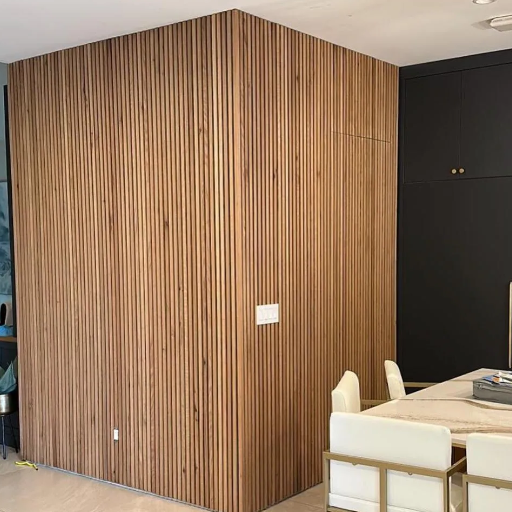
Tools and Materials Needed
My installation of slat wall paneling requires me to collect all essential equipment and materials for successful installation work. The first step requires a measuring tape because it helps to measure dimensions while showing whether panels will suit their assigned area. A level is another essential tool to confirm that the installation remains straight and aligned. I also have a pencil or chalk on hand to mark guidelines and reference points clearly on the wall or panels. The installation process requires me to use a drill together with screws or fasteners which I select based on the wall material that exists in the area which includes drywall and concrete and wood. A stud finder is essential because it helps to locate wall studs which enables proper panel attachment that can bear heavier weight. The cutting process requires a circular saw or jigsaw which creates accurate panel dimensions while sandpaper helps to eliminate rough surfaces. I make sure to acquire safety equipment which includes gloves and safety glasses to keep myself safe during the entire work procedure. The slat wall panels require additional materials because I need wall anchors to secure the panels on surfaces that do not have studs. Finishing trim and edge pieces can be used to create a polished professional appearance for the installation work. The process becomes efficient through my preparation of all necessary tools and materials which decreases the likelihood of making mistakes and experiencing delays.
Choosing the Right Wall Panel Design
The selection of appropriate wall panel designs requires multiple considerations which need to evaluate both practical needs and design requirements for the chosen space. The first step requires you to determine the room’s function because the space needs either a modern design or a traditional design which creates a warm atmosphere. The use of textured panels brings visual interest to spaces while smooth glossy finishes create an outlook which represents modern basic design. The existing decor needs to be matched through color selections which either create strong visual differences or build a unified appearance throughout the space. The material selection process requires equal importance because MDF and PVC panels provide protection against damage in high traffic areas while wood materials deliver everlasting beauty. The assessment process of design elements enables you to design a space which combines visual attractiveness with functional value.
Space Measurement and Space Design Planning
The success of interior design projects depends on accurate measurements which serve as project foundations. The first step requires precise measurement of all dimensions within the space which includes measuring the height and width and depth of walls and ceilings and floors. The designer needs to document architectural elements which include windows and doors and built-in fixtures because these elements will affect site planning and design decisions. The design process requires a detailed floor plan which can be created through manual sketching or digital tools that produce scaled layouts. The design process requires space planning to include furniture arrangements and movement patterns because these elements determine how people will use the area and what they will see. The current period requires complete preparation because it eliminates all uncertainty which enables your vision to be executed without any complications.
Step-by-Step Installation Process
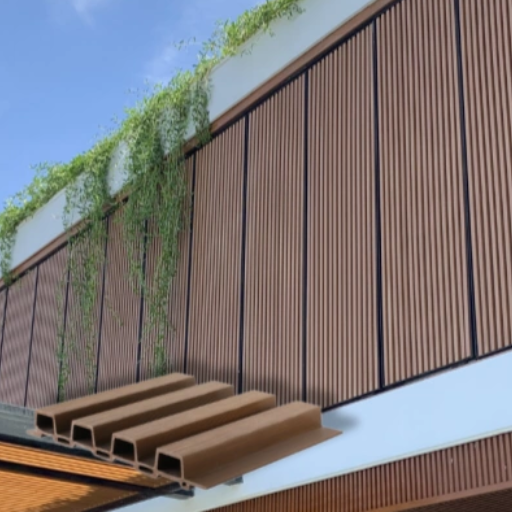
Preparing the Wall Surface
The installation needs to begin after the wall surface has been cleaned and smoothed and prepared properly because this process needs to be done for permanent results. The first step requires you to inspect the wall surface for all existing defects which include cracks and holes and uneven sections. Workers need to sand down all rough areas to establish a smooth surface which they will use to clean the wall with a damp cloth that removes all dust and debris. The wall needs to be stripped of its existing wallpaper or paint through either careful stripping methods or sanding until it reaches a point where it can serve as a clean foundation for the upcoming work. The application of a primer designed for specific materials needs to take place because it establishes the essential foundation for successful adhesion. The design process strengthens durability while it produces a perfect result that will appear after the installation process has finished.
Cutting and Arranging Slat Panels
To achieve correct slat panel cutting and arrangement procedures, technicians must first take wall measurements which will help them establish panel quantity needs. Use a measuring tape and ensure precise calculations to avoid material wastage. The person needs to use a pencil and straightedge to draw cutting lines on the panels after they finish measuring. The panel saw requires users to operate a circular saw or hand saw for precise panel cutting which delivers clean edges. The slat panels should be arranged on the floor or any flat surface to establish their final design. The current step enables complete modification of the design before the actual work commences for better and more attractive results. The wall pattern design requires you to match any existing patterns or grains with the wall structure. The installation process will require you to number or label the panels to help with their proper placement. The preparatory steps will make the work easier while creating a professional appearance.
Securing the Panels to the Wall
To begin panel installation on the wall, you must first clean the surface and let it dry while removing all particles. Use a level to mark reference lines that will guide the placement of the panels. The installation process requires you to select between adhesive application and nails and screws based on the type of panels that you will install. For adhesive application, you need to spread an equal amount of panel-safe glue on the rear side of every panel before pressing it against the wall to achieve proper sticking. The installation needs nail and screw spacing to maintain consistent distances while all fasteners must be properly positioned between wall studs and anchors to achieve maximum support. For enhanced longevity, consider sealing any visible seams or edges with caulking. The installation process requires proper securing techniques which will provide both strength to the installation and visually appealing results.
Post-Installation Tips
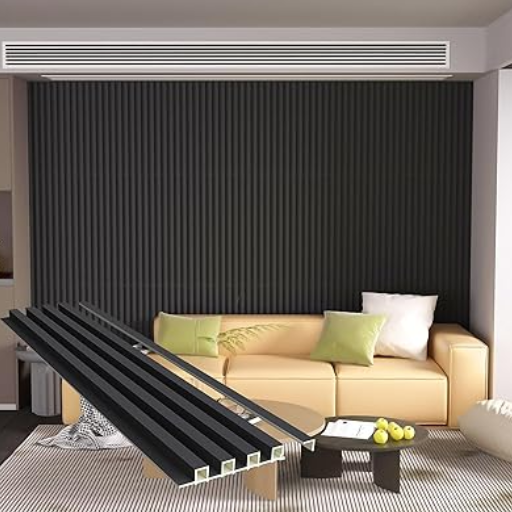
Finalizing Procedures and Upkeep
Update: Before signing off on the installation, have your work check once for flaws and possible adjustments. Mostly, double check alignment, and make sure that every plank or material is not raised but rather flush in surfaces. If there are any cracks or certain surfaces which appear unmatched then you can choose to alleviate that by following these techniques and using colored caulk. In the case of painted surfaces, one can also opt for a touch-up painting to make the color composition perfect as well as to conceal minor damages caused while fixing any installation. To ensure that the finished project retains its beauty and structural integrity for a longer term, one has to perform maintenance work. Use mild detergent solutions and soft materials for regular cleaning so as to prevent staining, dust build up and degradation of the surface’s quality. Look out for possible damage like the loose panels and the peeling off of layers and instantly has the matter attended to before it can compound the damage even further. Observing these final steps in any proofing work will ensure that your installation looks in a good shape even for the longest time possible.
Common Mistakes to Avoid
It is very obvious that there are quite a number of common mistakes that can significantly reduce the efficiency and lifetime of the mounting or repairing work. One such common mistake is failure to prepare the surfaces right before the actual work begins. The surface preparation is a key factor in enhancing the adhesion and the appearance after painting or finishing the surface, and this can only be done well and efficiently if it is cleaned, sanded, or primed. Equally important is this Even the construction of the structure or system itself can fail if the materials used in the process are of poor standards and are also incompatible with the equipment being used. In the same vein, ignoring how the object should be used, disregarding the manufacturer’s instructions or failing to factor in the drying and curing period, enhances the probability of achieving a lesser good. Lastly, a pattern of how often maintenance such as general running cleaning or fixing small parts even in case there is damage, has not been foreseen and will quicken the rate at which things will deteriorate. It is accurate to say that by the avoidance of these mistakes, a better as well as a long lived outcome can be expected and so, preventive action is a better choice.
How to Decorate WPC Slat Wall
Slat walls can be styled in different ways to suit any space by crafting their functionalities with a bit of modern beauty. The process should start with a color mode that works for the interior. Colors also encompass natural wood shades in some finishes and plain colors which are easy to match with colors existing in the room. Including light stands alongside the tiles as an enhancement for light would be highlighted. Incorporation of wall mounted cabinets, hooks and hanging plants adds to some functional and yet personalized touches. One may simply use the wall slats to enhance or create accents in the areas where these slats are placed where such areas happens to be the main focus in the room as one approach e.g. placing in a bed or TV section. Careful synthesis can make a strip wall an elegant focal point in a space with multiple functions.
Alternative Uses for WPC Slat Wall Panels
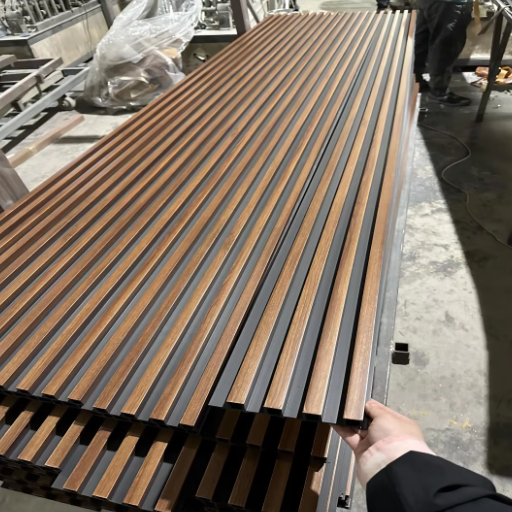
Aluminum Composite Material (ACM) Wall Panels
These panels are a suitable choice for covering the outer surfaces of buildings due to their ability to withstand different climatic conditions and attractive appearance. Preparation of the wall, which involves cleaning this surface and leveling it to define perfectly straight alignments, should be done before even fixing the panels. There should be no fear of storms because self-drilling screws and adhesive tape can be used to attach the panels facing any extreme weather as is common in most area which I protected my house with, but when such areas are having heavy snow or something you need band steel screws of around three inches long as provided in the hardware with universal mounts for the materials. Careful measures should be taken to trim the panels to the correct size and maintain correct positioning to prevent unsightly gaps between panels. Also ideal that spaces are provided for between the panels, in case of extreme temperature changes. It is recommended that the installation be checked from time to time to avoid any panels falling off or getting out of their place. But if these principles are strictly observed then, between technology and sense of culture, WPC – wall panels can turn an insipid façade into its contemporary look as well as keep the building easy to manage.
Making WPC Panels for Custom Furniture
Making custom furniture is something pretty challenging, but not in the case when your making use of WPC (Wood-Plastic Composite) Panels. That is because of their fantastic features like being long lasting, not absorbing moisture and easy to clean thus suitable in most of the cases to use both indoors and outdoors. Enable it be a simple super-glassy coffee table or a bibliophile or even weather resistant for the patio WPCouts technically stands out as a new and more renewable form of wood. WPC panels are great materials for making furniture because of their numerous features – though they are able to look and feel like wood, they are longer lasting under the same conditions as wood and are less susceptible to timber decay issues, even in high moisture areas. It can also be easily cut into different shapes, such as door or window frames, and styled into different forms such as stairs. One added advantage of these panels is that they contain recycled wood chips among other things and as such reduced rates of pollution. In creating unique pieces of furniture, WPC panels help to create a harmonious relationship among elegance, utility, and nature.
Slat Panels and Enabling Aesthetic Appeals
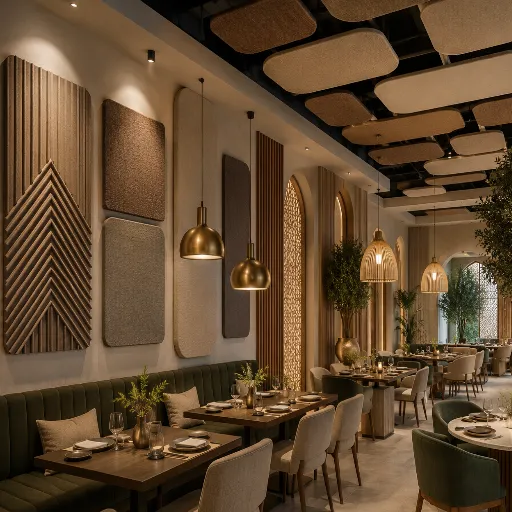
If one is to talk about building in aesthetic elements, few come to mind apart from a slat panel. This is a result of pragmatism and its sophisticated appeal that makes it convenient and applicable in a wide range of aesthetic purposes. These consist of panels that are strained very evenly with slats and hence create filtered textures adding depth and sophistication. Whether improving the inside of a home or creating a different design in a commercial building, slat panels enable the creation of an aesthetic that is attractive while helping to increase the function of the available space. They are perfect for working on raised, visually appealing architectural elements in an interior, mere spaces which serve other functions or on the heads of spaces, and their basic and slender design pairs perfectly well with any styles including contemporary, Scandinavian, and even industrial. One quality of slat panels I’d like to draw attention to is that they help to enhance sound qualities within a room. Slat panels are also equipped with some sound absorbing features to assist in noise control. This feature, if appropriately handled in such circumstances as that of home theatres, offices or in areas characterized by noise, has seen them easily fitted in most of such open spaces. What is more, they come in a number of varieties distinguishable by the various materials they are made of for instance wood, iron or containing wood and plastic composites. This means that one can therefore obtain and incorporate one into any project according their functional and style requirements. It is generally simple to set up slat panels, yet these can be uniquely made and their colors and textures can be changed to fit the idea I envision. I can also say that I admire the fact that because many slat panels are made from non-toxic or reclaimed materials, they are safe to use to the environment. Whether the intention is to cover the entire wall with a vibrant accent or improve the design of the space with delicate architectural forms, the use of slat panels always provides a correct and stylish design solution as far as decoration is concerned.
Reference Sources
Plastic Composites in Construction
Source: SPRINGER NATURE Link
Link: https://link.springer.com/chapter/10.1007/978-3-658-41132-9_1
Relevance: A detailed study on the use of WPC in construction, including insights into installation practices and challenges.
Structural Design and Performance of Composite Wall-Foundation Connector Elements
Source: rex.libraries.wsu.edu
Relevance: Research focusing on the structural performance and installation alignment of composite wall materials.
Analytical and Experimental Study on Flexural Performance of WPC–FRP Beams
Source: ScienceDirect
Link: https://www.sciencedirect.com/science/article/abs/pii/S095006181000365X
Relevance: This research investigates the mechanical properties of WPC materials, providing insights into their application and installation.
Frequently Asked Questions (FAQs)
Where do I start by installing the first panel for wpc slat wall panel installation?
It’s standard to measure twice and ensure to opt for a straight level on the wall so that first panel sits well and finish for your sweet home looks professional. Take the first panel and let the tongue of it face the current position you are at its length towards the next panel, also ensure the panel back side is clean before adding adhesive to the back in case of a glue-and-batten approach. You may want to fix the wall panels with screws through the panel ends into battens for most wpc wall panels; such panels will have some very handy hidden fixing slots for a smoother installation. If the outside wall happens to be an exterior home wall, it should meet the house and any building’s regulations, hence account for minor changes in temperatures the structure may become subjected to. A chop saw will help present most corners boxed or skirtings for cutting most panel sizes so they fit the corner without any gaps then any suitable trim work will also help enhance aesthetics “considerably”.
Can wpc grooved slat panels be used in indoor walls as well as outdoor existing walls?
Indeed, grooved slat panels are made to be attractive as well as serviceable. Clean lined contemporary interiors or outdoor living spaces can be easily decorated with these. Moreover, owing to the fact that they are as a rule of wood plastic composite and quite often recycled materials, the panels consume the appearance of natural wood while neglecting the appalling part of having to care for real sylvan wood. They are water resistant and do not get decayed up unless they are at more risk to rain as other ordinary wooden or timber products which are veneered from wood can be. Therefore, this implies that they are very useful and low budget products…externally and internally. It remains to mention that the panels when applied to wood slat cladding also offers sound absorption and reduces echo in a room, and they may be turned on its side to emphasize height. When used outdoors, make sure that the panels were made for outdoor purposes and read the installation instructions, as batten spacing or support fixing may differ according to the loads they are meant to support.
Can you share what tools and materials needed for creating a step by step guideline on how to install slat wall panels?
You will need a level, miter saw, drill, screws or adhesive, battens, trim pieces, and a straight edge to keep the panels from moving while being installed on the wall in this diy project. A practical instruction manual would cover smoothening out the area, installing battens, and how attaching panels with either channel and tongue or utilizing hidden fasteners. Use a color-matched filler or employ any small spaces encircling the joint to hide messy joints and be sure to check your dimensions before cutting the panels—cutting correct lengths of panels is very hard particularly if you are dealing with wood veneer or faux walnut panels. If you are going to do-it-yourself for the first time, please watch diy installation videos on youtube; which shows you how to install and illustrate the steps and fights back the empty walls with the help of panels. Do remember to keep the temperature and humidity as well in mind as you do the planning and also let the panels breathe in the room for a day a two before attempting to install them.
How do you solve the problem of panel alignment? How do products achieve self locking properties in composites?
In most cases the composites you see come with a tongue-and-groove connection system, this makes it easy to set the next panel simply by placing the tongue in the groove such that the panel ends are positioned opposite each other. Make sure battens are properly spaced and the wall is plumb; otherwise place vertical battens on the wall for the panels to be attached in a neat level position. Press all the panels when gluing the panel’s back surfaces and employ the recommended fastening procedure to counter any movement until the glue sets. Leave margins at locations where the end of a panel meets another material for purposes of expansion – and for reasons of expansion especially on exterior walls. This Is The learn process allow for more checkable fits while also designing application as changes occur through the trim enclosures covering unwanted design features and accentuating a more contemporal design.
Can I use vinyl wall panels to improve the acoustics of a room and create a feature wall at the same time?
Absolutely – vinyl wall panels in slats -form can be both am audio-visual treat as well as sound enhancing as they provide slip factor and are more acoustic compared to a plan painted wall. The panel size and the surface design can be with or without fluted edges and one can choose U. V. resistant wood finished with a veneer of either walnut or any other wood without compromising on the structural strength as it would be a composite type not requiring any form of wood finishings. However, if special consideration is made where the absorption value is of concern, the wall can be lined with a diffuser backing if not the panels can be fixed to slabs to create a gap between the cladding and the primary building structure. This strategy further makes it easier to run cables behind the walls blocking gaps along the interior and exteriors and can both facades in contemporary designs. In the end a very attractive feature panel which is very user friendly, much like wood only better as it does not cost the earth and is easier to maintain, results.
Should I keep in mind anything more when attaching composite panels at the outdoor area or any part of the outer surface of my house?
It is advisable to opt for composite panels that are particularly made for outside use so that they do not deform much despite the exposure to weather extremes and the changing temperature and humidity levels as it happens with the usual lumber. They can be used to keep the building in good condition and enhance its aesthetic appeal; with the proviso that care should be taken to ensure the wall is waterproof and that trim battens are used to construct a cavity behind the cladding to keep moisture away. The panels are best attached using stainless steel screws that do not rust and obey each step of the process with regards to spacing, panel joints, installation of the first panel and fixing it to function as a baseline. Any adhesive strip does not have to expose unsightly board at the edge of a wall even after the inclusion of stove works and finishing techniques, no remnants of adhesives, and no excessive spacing when one board is placed near the other. Take the time to verify the local regulations and hire a skilled person if necessary, so you are reassured what is done, although in most instances this is an easy task and the necessary equipment.
Categories:
Blog
Tags:
Installation & DIY
Related Articles