Commercial Acoustic Solutions: Balancing Functionality and Design in Office Spaces
Understanding Acoustics in Commercial Spaces
The Importance of Acoustics
Acoustics create essential conditions which enable people to concentrate and work together while achieving their highest level of well-being. Workplace environments with bad acoustic conditions result in workplace distractions which increase stress levels and decrease work efficiency. Research demonstrates that loud or unregulated noise disturbances create concentration problems and communication difficulties which make it necessary to establish effective sound control methods. The design of work environments requires acoustic planning which includes sound-absorbing materials and noise control layout design to create spaces that work well for both employees and visitors.
Key Terms in Acoustic Solutions
Absorption: The process of sound energy conversion into heat by materials leads to reduced echo and reverberation effects within a room. Acoustic panels and foam are common examples of sound-absorbing materials.
Diffusion: The process of diffusion scatters sound waves into multiple directions which stops loud echoes from occurring while preserving natural sound. Diffusers are essential components in music studios and performance halls because they help achieve sound equilibrium.
Sound Transmission Class (STC): The rating system Sound Transmission Class (STC) evaluates the ability of building materials to prevent sound from passing through them. The STC rating system establishes better soundproofing capabilities through its higher rating system.
Reverberation Time (RT): The time period required for sound to reach complete silence constitutes reverberation time. The optimization of reverberation time becomes crucial in auditoriums because accurate sound reproduction demands it.
Acoustic Insulation: The term acoustic insulation refers to materials and methods which protect against sound transmission between different rooms or floors to ensure better sound protection and increased privacy.
The establishment of acoustic solutions for various environments requires the understanding of these terms which help create spaces that provide both functional use and comfortable experiences.
How Acoustics Affect Workplace Productivity
Acoustics have a significant effect on workplace productivity because they determine how well employees and their health are able to work. Excessive noise levels in offices create distractions which lead to increased stress and decreased focus thereby creating direct operational problems. According to recent studies, employees exposed to poor acoustic conditions may experience up to a 66% decline in their ability to concentrate on complex tasks.
The work environment experiences substantial improvements when organizations adopt effective acoustic strategies which include sound-absorbing materials and proper spatial layouts and quiet zones. The new design approach creates two different workspaces which help workers to concentrate while also meeting their needs for teamwork and creative work. The optimal acoustic design creates a work environment that enables better communication and increases employee satisfaction which leads to higher workplace productivity.
Types of Acoustic Solutions for Commercial Spaces
Acoustic Panels: Benefits and Applications
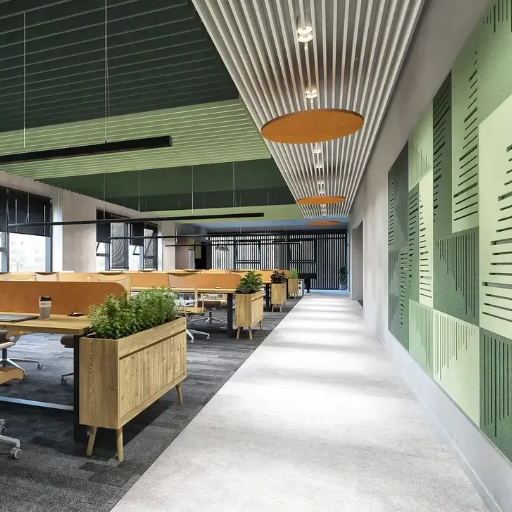
The primary function of acoustic panels serves to control commercial space noise levels while improving sound quality for those spaces. The panels function as sound-absorbing devices which decrease echo and background noise to create better listening conditions in all spaces. The products which manufacturers create use foam and fabric-wrapped composites and recycled fibers to create items that serve practical needs while adapting to different interior design requirements.
The main advantage which acoustic panels provide to users happens through their capacity to make spoken words easier to understand. The panels function in open-plan offices and conference rooms and call centers to maintain clear conversation paths which occur without interruptions from loud environmental sounds. The system enables users to keep their conversations private through its design which restricts sound movement between different parts of the building, a key element that helps users maintain their work focus and secure confidential information.
Acoustic panels find application in spaces that extend beyond standard office environments. Sound management becomes critical in auditoriums and restaurants and schools and healthcare facilities because it directly impacts how users experience those spaces. Businesses can establish workspaces which enhance employee productivity and comfort through soundproofing methods that meet different acoustic requirements by installing panels on walls and ceilings and other surfaces.
Custom Acoustic Solutions for Unique Environments
Every environment possesses its own specific acoustic challenges which need personalized solutions to achieve perfect sound control and sound performance. Today’s acoustic technology development enables creation of new panel designs that can be customized to match user needs while delivering both practical and visual benefits. In open-plan office environments, panels can be arranged to decrease interruptions while preserving an atmosphere of teamwork. Educational institutions enhance their learning environments through solutions which enable better speech understanding by students while decreasing disruptive classroom sounds. Restaurants and hospitality spaces need to create energetic environments which allow them to manage sound effectively so that their guests enjoy a comfortable experience.
Designers use recycled PET and wood and fabric materials to produce environmentally sustainable panels that have attractive designs and match various interior spaces. The materials provide acoustic performance benefits which help achieve environmentally friendly objectives. The collaboration between businesses and architects with acoustic specialists enables them to create customized solutions which meet their unique needs for different environments.
Sound Masking Systems: Enhancing Privacy and Comfort
Sound masking systems function as innovative tools which create better acoustic environments by introducing background noise that makes speech less understandable while reducing mental interruptions. The systems provide essential support to both open office environments and medical facilities and any location which requires secure spaces. The system generates a soft continuous sound which resembles airflow to establish an environment that prevents people from hearing conversations which improves both comfort and confidentiality. Modern sound masking systems work smoothly with current building systems to provide flexible sound management solutions which suit various types of environments. The recent technological developments enable users to customize sound systems which create the ideal combination of privacy protection and environmental sound management for their particular requirements. The functionality and visual appeal of spaces depend on sound masking systems which serve as essential elements for their design.
Designing for Sound Control
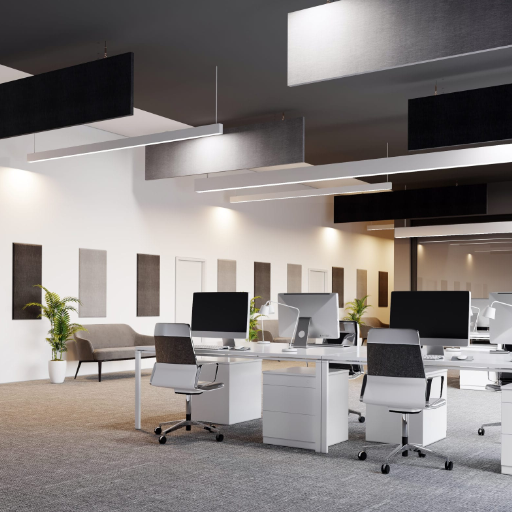
Integrating Aesthetic Elements With Sound-Related Functionality
Modern spaces require designers to create environments which successfully combine aesthetic attractiveness with sound performance requirements. Acoustic panels, baffles, and ceiling tiles now offer designers a diverse selection of colors and textures and patterns which enable them to create cohesive interior design solutions. Material technology advancements now make it possible to produce sound-absorbing products that deliver effective performance while using sustainable materials which include recycled fabrics and natural fibers. The innovations create spaces which achieve excellent acoustic performance while meeting modern architectural design standards which improve both operational function and aesthetic balance of the area.
Choosing the Correct Acoustic Materials
The selection process for acoustic materials requires detailed assessment of multiple essential factors which will determine which materials create optimal performance results that match the specific needs of their operational environment. First, the material’s sound absorption coefficient must be analyzed, as this determines its ability to reduce unwanted noise and enhance sound clarity. The material’s capacity to endure through time and its necessary upkeep procedures become crucial factors that determine usage in facilities which experience constant foot traffic and require items to last for extended periods. The materials need to show aesthetic qualities which match the visual design of the space while maintaining their operational capabilities. The assessment process must include environmental impact studies which show how recycled materials and renewable resources create sustainable products that meet high acoustic requirements.
Acoustic Treatment Strategies for Open Office Layouts
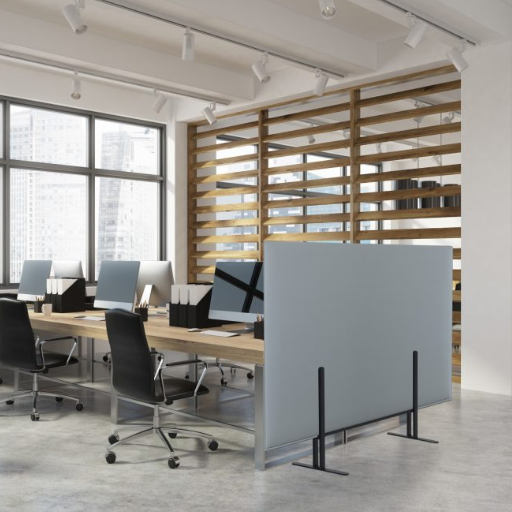
Open office spaces require dedicated acoustic treatment solutions which need to achieve two objectives first to enable teamwork and second to support personal work. Sound-absorbing materials such as acoustic panels and carpets and ceiling tiles effectively decrease noise levels through their ability to control echoes and restrict sound movement. The use of modular furniture which includes acoustic elements through high-backed chairs and partition walls enables the creation of private areas within open office areas. Plants and soft furnishings which people tend to overlook actually help reduce noise in offices while improving their visual attractiveness.
The proper placement of noise-canceling solutions holds equal importance to its implementation. The establishment of quiet work areas together with white noise machines will create a soundproof environment through which people can work without interruption from surrounding noises. Soundproof pods and enclosed spaces provide meeting areas which maintain privacy without disturbing other areas of the office. The introduction of adaptable acoustic systems enables organizations to customize their noise management solutions according to particular office environments.
Evaluating Acoustic Performance
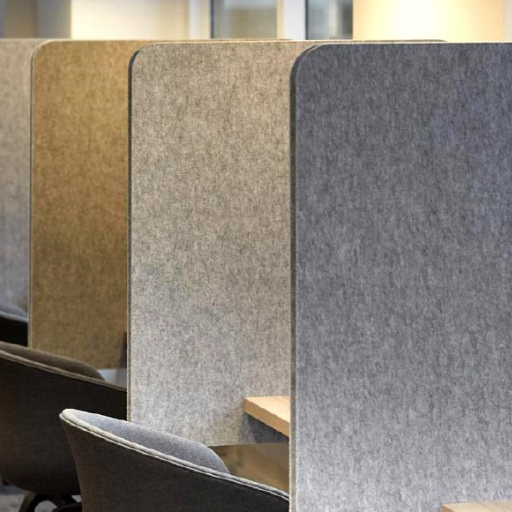
Measuring Sound Levels and Acoustical Effectiveness
The process of measuring sound levels together with evaluating acoustical performance constitutes essential procedures for establishing balanced sound environments. The assessment of noise levels in particular spaces relies on the use of modern equipment which includes sound level meters and real-time analyzers. The devices deliver accurate decibel measurements which enable professionals to measure sound levels and determine which areas need modifications. Designers can now use new developments in acoustical modeling software to create virtual sound environments which include all aspects of sound reflection and absorption and diffusion. Architects and engineers use this information together with material characteristics which include absorption coefficients and NRC values to develop acoustic designs that meet environmental requirements for comfort and functionality. The acoustic planning process uses a data-driven method which demonstrates how innovative technologies help create optimal sound environments.
Case Studies: Successful Acoustic Solutions in Commercial Spaces
My experience with acoustic solution research shows that commercial space implementations succeed through the combination of advanced materials and design principles. In open-plan offices companies need to use acoustic panels which display high-performance sound-absorbing capabilities that use either recycled polyester or fiberglass materials. The panel arrangement solves noise pollution problems while creating a contemporary visual design. The tech company headquarters case used suspended acoustic baffles which acoustic engineers placed through the office to reduce reverberation problems. Employees reported a significant boost in productivity following this intervention because they experienced less interruptions during conversations and collaborative work activities due to reduced ambient noise.
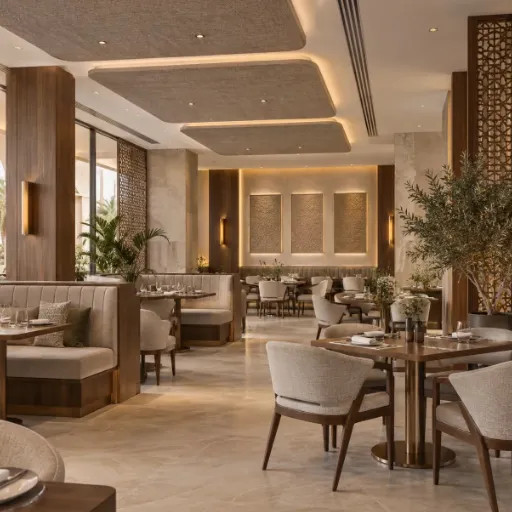
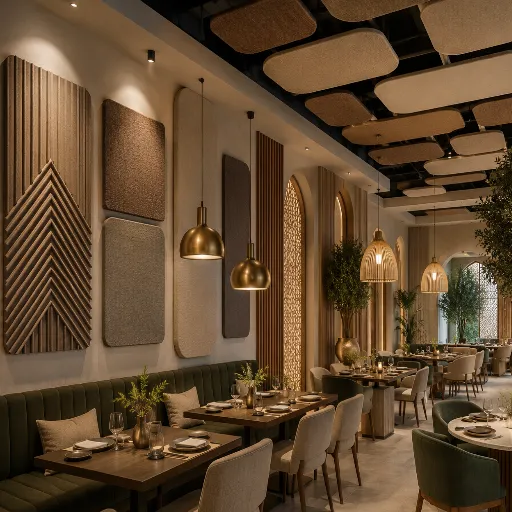
High-end restaurants use hospitality settings to create a lively atmosphere which keeps customers comfortable through their sound management systems. One restaurant chain used custom-designed acoustic ceiling tiles together with fabric wall solutions. The restaurant atmosphere creates a welcoming space for diners through its echo reduction and conversational noise absorption while preserving the energetic atmosphere of a crowded dining space. Studies even showed an increase in customer satisfaction and repeat visits.
The examples demonstrate that spatial design needs specific acoustic solutions which match the requirements of space design to achieve effective sound control and user experience improvements. Acoustic professionals use the latest research and technology to create spaces which optimize user comfort and work efficiency.
Future Trends in Acoustic Design for Commercial Spaces
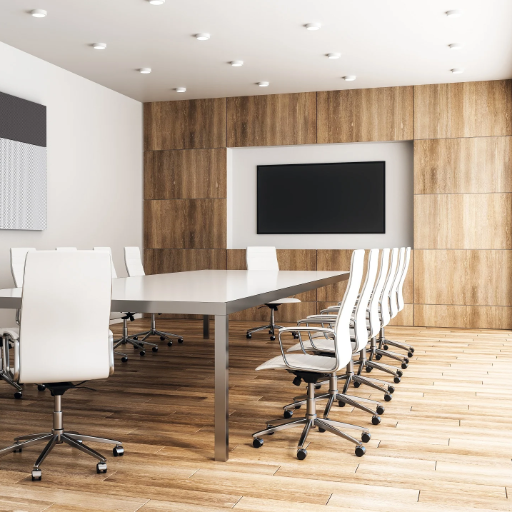
Innovative Technologies in Acoustic Solutions
The current state of acoustic solutions shows me that technological progress has achieved rapid development to fulfill the demands of contemporary business environments. The implementation of Artificial Intelligence (AI) in acoustic design represents the most advanced technological achievement. The AI soundscaping systems create responsive sound management systems which adjust to changing noise patterns because they operate in real-time to match the current activities happening within the space. The AI noise-cancellation systems used in open offices detect disruptive sound frequencies and eliminate them immediately, which helps create a quiet environment that enhances employee concentration.
The development of acoustic treatment solutions now uses smart materials together with nanotechnology as its key technological breakthrough. The nanomaterial sound-absorbing panels demonstrate exceptional sound absorption capacity while remaining lightweight and environmentally friendly. The materials enable designers to create specific sound frequency targets which maintain a contemporary appearance that matches the indoor design elements. The development of biophilic acoustic solutions through living walls which contain sound-absorbing plants creates an environmentally friendly solution for noise control which also enhances indoor air quality and supports human health.
Virtual reality (VR) and augmented reality (AR) technologies now enable scientists to create immersive acoustic environments which transform space design and testing processes. VR and AR simulations enable precise audio testing to be conducted for new space designs before construction begins which helps designers discover problems and create effective solutions during the initial design stage. The new technological advancements improve acoustic engineering accuracy while they focus on developing environmentally friendly solutions, which now establish new standards for future business environments.
Sustainability and Eco-Friendly Acoustic Materials
Designers today prioritize sustainability because their work requires them to create acoustic materials which produce environmental benefits and yet deliver effective performance results. The materials use recycled and renewable and biodegradable resources which enable them to achieve performance standards while decreasing their environmental footprint. The use of natural fibers such as cotton and hemp and wool has become common practice for producing acoustic panels and insulation because these materials provide excellent sound absorption together with environmental benefits. Acoustic solutions now use recycled plastics together with upcycled wood products to create materials which combine durability with aesthetic appeal according to manufacturers. Architects and engineers develop sustainable designs which lead to indoor spaces with better indoor air quality and support environmentally friendly building methods. The advancements demonstrate how it is possible to achieve outstanding acoustic performance while upholding environmental protection standards.
The Role of Biophilic Design in Acoustics
Biophilic design creates spaces that use natural elements to create environmental connections which improve human health. Biophilic principles for acoustics require architects to select natural materials, including timber and wool and cork, because these materials create visual warmth and provide sound absorption capabilities. Indoor plants and green walls deliver two benefits because they enhance air quality and decrease noise through sound wave scattering and dampening effects. The design creates spaces which produce soothing effects while maintaining operational efficiency through soundproofing methods that create nature-based spaces. Biophilic design improves user comfort through sensory balance while building sustainable and harmonious structures in urban areas.
Reference Sources
The Acoustical Assessment of the Commercial Spaces and Buildings
Source: sciencedirect
Link: https://www.sciencedirect.com/science/article/pii/S0003682X20305958
Relevance: This study evaluates acoustic quality in commercial spaces and buildings, focusing on design and architectural considerations.
Understanding Classroom Acoustic Solutions
Source: thieme
Link: https://www.thieme-connect.com/products/all/doi/10.1055/s-2004-828665
Relevance: Research on acoustic solutions in educational settings, with insights applicable to commercial environments.
Room Acoustic Design in Open-Plan Offices
Source: hal.science
Link:https://hal.science/hal-00542612/
Relevance: This paper focuses on acoustic design strategies to create effective sound environments in open-plan office spaces.
Frequently Asked Questions (FAQs)
Which acoustic ceiling solutions exist for commercial building spaces?
Acoustic ceiling solutions include acoustic ceiling tiles and ceiling panels and suspended baffle systems which absorb sound waves to minimize echoing in large spaces. The ceiling tiles and panels serve dual functions because they provide sound absorption together with visual design elements which enhance their appearance. High-performance ceiling solutions create spaces which achieve optimal audio performance while maintaining visual appeal because they deliver excellent sound capabilities and mute disruptive background sounds. Many products are made from recycled materials or pet felt, offering sustainable noise control solutions for use in commercial interiors. Architects and contractors use these acoustical solutions to create optimal sound environments which suit conference rooms, open-plan spaces and gymnasium areas.
How do wall panels help with sound absorption and sound blocking?
The wall panels which include acoustical panels together with sound-absorbing wall systems. The wall panels which are specially designed for sound blocking purposes create a sound barrier which prevents noise transmission between different areas. Panels with higher NRC ratings absorb more mid- to high-frequency sound, and combining them with mass-loaded drywall or sound barriers increases STC for low-frequency blocking. The acoustic art panels provide customized sound solutions which enhance the beauty of spaces while improving acoustic performance. The combination of wall and ceiling treatments establishes complete noise barriers for projects which require sound blocking and noise control solutions. These approaches function effectively in spaces such as conference rooms and open-plan areas which require commercial environments to minimize unwanted noise.
Do baffles and ceiling tiles provide effective echo reduction for open-plan areas?
Baffles and ceiling tiles provide excellent echo reduction because they disrupt sound waves and their design creates multiple surfaces which can absorb sound. The suspended baffle systems work best in open-plan areas because they enable precise control of sound reflections while maintaining full ceiling height. High NRC ceiling tiles provide effective sound absorption which becomes more effective when they are used with wall acoustical treatments to create better sound environments. Many ceiling solutions also function as sound barriers when they are installed with at-grade partitions or additional mass, which enhances both soundproofing and sound-absorbing capabilities. These elements provide large commercial spaces with an efficient and effective method to decrease noise levels while enhancing overall sound performance.
What soundproofing methods can conference rooms use to maintain clear speech understanding?
The conference room needs soundproofing solutions which establish acoustic ceiling tiles and wall panels and sound-absorbing materials to create soundproofing and enhanced speech understanding. The installation of multiple drywall layers together with resilient channels and dedicated sound barriers will improve STC while decreasing sound transmission between adjacent spaces. Acoustical panels that feature NRC ratings together with low-frequency absorption systems enable the capture of sound waves generated by human speech and audiovisual equipment which produces clear audio for conference participants. The complete solution for conference room acoustic problems needs to implement sound-absorbing elements together with sound blocking and noise control measures. Customized acoustic solutions which include acoustic art panels enable users to create visually appealing yet functionally effective spaces that provide superior sound quality.
Do acoustic art panels and customized acoustic treatments function as both noise barriers and their primary acoustic purpose?
The primary function of acoustic art panels and customized acoustic treatments is to operate as sound-absorbing surfaces which decrease reverberation. However their performance as noise barriers increases when designers add extra mass through their use of layered construction methods. Decorative panels which feature decorative finishes and heavy backing materials enable sound blocking capabilities that work together with absorption properties. To achieve complete noise barrier effectiveness these panels require installation with drywall and ceiling tiles and dedicated soundproofing materials which enhance STC performance. Acoustic art panels provide sound quality benefits and aesthetic value while helping to achieve design objectives which makes them the preferred choice for commercial projects. The combination of acoustical treatments with blocking methods and noise control systems creates spaces which achieve both visual and auditory excellence.
Categories:
Blog
Related Articles