Maintenance Tips for Long-Lasting WPC Railings and Accessories
Understanding WPC Railings and Accessories
What is WPC and its Benefits
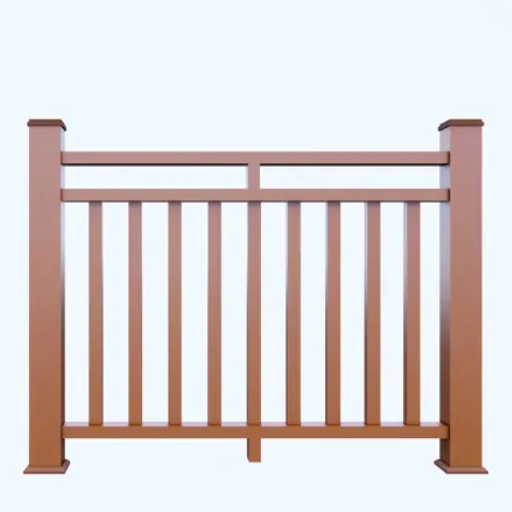
WPC or Wood Plastic Composite functions as a flexible and strong building material which construction workers use for outdoor work because it suits their needs for railings and decking and fencing installations. The material combines natural wood fibers with thermoplastics to create a composite product which delivers the visual benefits of wood together with the functional advantages of contemporary engineering. The main advantage of this material comes from its minimal upkeep needs because WPC material protects against rotting and decay and insect destruction which affects regular wooden materials. The material shows weather resistance because it maintains its structural integrity during extreme temperature and humidity conditions. The composition of WPC railings includes recycled materials which makes them an environmentally friendly option that promotes eco-friendly practices. WPC serves as the perfect solution for customers who want to create permanent outdoor spaces which maintain their visual appeal while being environmentally sustainable.
Types of WPC Railings Available
WPC railings are available in various styles and designs to cater to diverse aesthetic and functional needs. The standard baluster railing uses evenly spaced vertical posts which create a traditional railing design. Horizontal slat railings create a modern architectural aesthetic through their sleek and minimalistic design. Glass-infused WPC railings combine composite materials with tempered glass panels which provide complete viewing while sustaining strength for use in outdoor environments. The pre-assembled modular systems have become a popular choice because they enable users to install their system components with minimal effort. The available options enable designers and homeowners to select WPC railing styles which match their exact needs and preferred aesthetic results.
Common WPC Accessories and Their Uses
WPC railings can be upgraded through the use of different accessories which provide both functional and decorative solutions. End caps and post caps are essential for sealing open ends of WPC boards and posts, protecting them from moisture ingress and improving durability. The caps are available in multiple design options which include different finishes to match various architectural styles. Handrail brackets serve a vital function because they provide secure handrail attachment to both posts and walls while maintaining stability and safety. Architects who want to create contemporary designs can use WPC railings which include LED lighting systems that produce ambient light for decks and outdoor areas. The systems consume less power while providing an attractive appearance during nighttime hours. Baluster connectors also play a vital role, ensuring strong connections between railings and balusters while simplifying installation. WPC boards can be securely fastened to decks through the use of deck fasteners and clips which eliminate visible screws to create an uninterrupted surface. Homeowners and professionals can create outdoor spaces with WPC materials through these accessories which enable them to build personalized spaces that combine durability with visual appeal.
Maintenance Practices for WPC Railings
Cleaning Techniques for WPC Railings
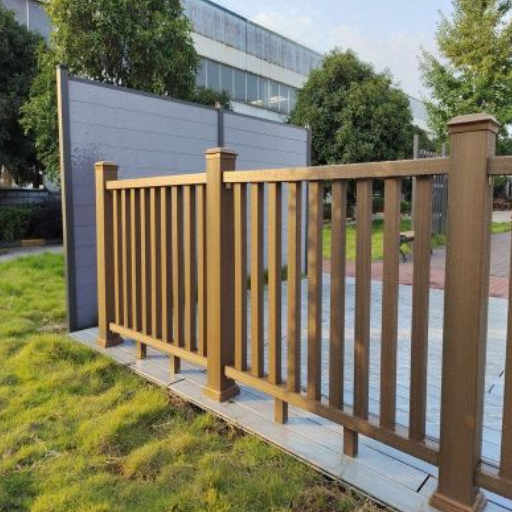
The process of cleaning WPC railings facilitates their appearance maintenance through both straightforward and efficient methods. The surface can be cleaned through regular maintenance by using either a soft-bristle brush or a cloth that has been soaked in warm, soapy water which removes dirt and debris without causing any harm. A solution of water together with mild household cleaners or special deck cleaning products should be used to tackle difficult stains that include grease and mildew. The use of abrasive tools together with harsh chemicals should be avoided since these substances will damage the material through scratching and discoloration. The process of cleaning the railings requires clean water to be applied after each cleaning session which prevents any residue from remaining on the railings thus maintaining their fresh appearance and extending their lifespan. Homeowners should establish a WPC railing cleaning schedule which requires them to perform the task two times each year and to conduct additional cleaning sessions when necessary after their property experiences high foot traffic or extreme weather events.
Inspecting for Damage: What to Look For
I begin my inspection of WPC railings by searching for visible signs of damage that include cracks and splinters and warping. The durable nature of WPC materials gets disrupted when they face intense weather conditions or experience severe physical damage. I perform a hand inspection of the railing surface to detect any hidden rough areas that need to be examined. Hardware inspection serves an essential purpose because all hardware components including screws and brackets and fasteners need to be checked for proper attachment and absence of rust and looseness because these factors affect the railings structural strength. I start my examination of the railings by searching for evidence of discoloration and fading and staining. WPC materials show resistance against these problems but extended sun exposure together with persistent dirt buildup can occasionally create these issues. I clean the affected areas to identify the cause of any discoloration which might be either surface-level dirt or permanent damage. I examine all joints and connection points because these areas allow dirt and moisture and debris to accumulate which leads to long-term wear and mold development. I evaluate the railings ability to endure weight by assessing their performance under stress. I use light pressure to test the railings which lets me find any movements that show potential structural problems. Detecting these problems during their initial stages enables me to implement safety measures that will protect my WPC railings from becoming serious issues. The railings remain in excellent condition because this inspection procedure follows through which also prevents expensive repair needs in the future.
Repairing Minor Issues with WPC Railings
The process of WPC railings maintenance requires repair work to be done without delay because any delay will result in damage to their structural strength and aesthetic qualities. For example, small cracks or surface scratches on the WPC material can often be remedied using sandpaper to smooth the affected area, followed by applying a matching finish to restore its look. The railing sections remain securely fastened because loose screws or connectors require only screwdriver tightening. The replacement of individual boards or components works well for sections that show more noticeable wear because WPC systems include modular design elements which enable easy part replacement. The application of recommended sealants protects exposed areas by creating a barrier which prevents future moisture damage and UV light damage. The implementation of these quick fixes enables the railings to be maintained while their lifespan extended, which makes them a sustainable investment for any outdoor area.
Choosing the Right WPC Accessories
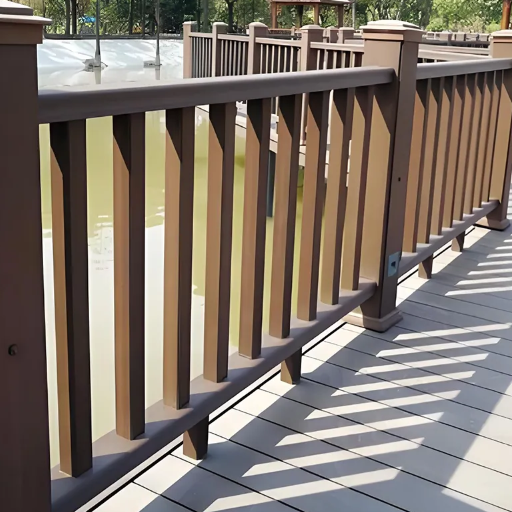
Essential WPC Railing Accessories for Longevity
The correct choice of accessories is essential for achieving WPC railing durability and operational efficiency. The most effective fastener solutions include stainless steel screws which provide corrosion resistance and maintain their secure grip for extended periods. Railing post caps and covers serve dual purposes by improving visual appeal while they protect against moisture accumulation which causes structural deterioration. The installation process requires brackets and connectors to be selected based on the specific WPC system needs which they will provide secure and complete installation. Weather-resistant sealants plus joint fillers function as additional protection tools which create defense barriers against environmental damage to exposed locations. Homeowners who select high-quality compatible accessories for their WPC railings can achieve two benefits because these accessories enhance their railing system’s visual appeal and increase its durability for outdoor use.
How to Select Quality WPC Accessories from Suppliers
When choosing WPC accessories, it’s essential to evaluate a supplier’s reputation and product certifications. Start by reviewing customer feedback and testimonials to gauge satisfaction and reliability. High-quality suppliers provide accessories which meet industry standards through ISO certifications and environmental compliance labels, thus ensuring their products will function safely and last long. The testing process needs to include two tests which will confirm that the accessories work correctly with WPC systems. The supplier needs to provide multiple products because this shows their ability to cater to various customer requirements. The assessment of customer support needs to include their warranties and return policies because these elements show how confident the supplier feels about their products while they try to make customers happy. Researching suppliers enables you to find accessories which will last long and perform well to improve your WPC systems.
Understanding the Role of Fasteners and Clips
| Component | Role & Function |
|---|---|
| Fasteners & Clips | Fasteners and clips serve as vital elements which guarantee the structural integrity and long-lasting performance of wood-plastic composite WPC installations. These small yet vital components function to fasten boards securely while permitting necessary movement which occurs during temperature and moisture induced expansion and contraction. |
| Hardware Quality | The use of high-quality fasteners such as stainless steel screws and hidden fastening systems leads to a long-lasting installation which maintains its aesthetic value because it reduces visible hardware and protects against corrosion. |
| Spacing Clips | Clips which manufacturers produce from metal or strong plastic materials, create consistent distances between boards which enables effective water drainage and air circulation. The selection of appropriate fasteners and clips which match your specific project requirements will provide structural strength to your WPC installation while improving its visual attractiveness. |
Installation Tips for WPC Railings and Accessories
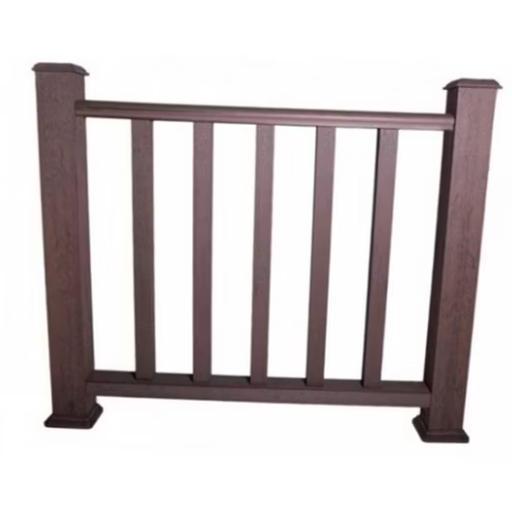
Step-by-Step Guide to Installing WPC Railings
The installation of WPC railings becomes easy when people use correct procedures and preparation methods for their work. I implement my installation method in detailed steps to create a long-lasting and aesthetically pleasing outcome.
Prepare the Area: I begin the process by measuring the installation space and creating marks for the post installation points. Railing stability requires the surface to be clean and level while all debris must be removed. I need to gather appropriate mounting hardware for post installation when I work with a deck or balcony project.
Install the Posts: The next step involves securing the posts to their designated locations. I use either a mounting bracket or a direct fixing method to establish vertical post alignment which I confirm through level measurements. All screws and bolts must be tightened properly because loose hardware will create instability problems. I apply weather-resistant sealant at each post base to enhance the strength of the installation.
Attach the Top and Bottom Rails: I start the rail installation process after the posts have been set by installing the bottom rail between the posts and securing it with screws or brackets. The top rail installation process follows the same procedure which requires me to make sure both ends of the rail match the installation height. I double-check all measurements because I want to prevent any instances of spacing that does not match building standards.
Add Balusters or Panels: I then insert the balusters or panels according to the requirements of the railing design. Balusters need to be spaced at equal distances from each other between the top and bottom rails which will keep their appearance consistent while panels need to be installed through direct attachment. I secure all parts of the system with tight fastenings while I check that everything stays correctly aligned which leads to a tidy and professional result.
Finishing Touches: I perform an inspection throughout the entire installation to make sure all fasteners are properly secured and components stay fixed. I apply touch-up paint or hardware caps to exposed areas because I want to match the railing design which improves the overall appearance. The cleaning process of the entire structure concludes at this point.
Common Installation Mistakes to Avoid
The installation process for WPC railings includes multiple common errors which lead to both stability and durability problems. The first mistake occurs when installers fail to measure and align correctly because this results in railings that become either uneven or misaligned. The accurate installation process requires precise measurements which must be verified through planning and double-checking procedures. The first problem occurs when workers fail to prepare surfaces properly because they do not clean and level the area before starting their work. The railing system becomes weaker when users fail to follow manufacturer instructions and select non-compatible fasteners. The material becomes damaged and its useful life decreases when workers make the mistake of over-tightening screws. The process of reading instructions and following every step helps to avoid mistakes while producing results that resemble professional work.
Utilizing the Right Tools for WPC Installation
The selection of proper tools becomes crucial for accomplishing a perfect WPC (Wood-Plastic Composite) installation. The basic tools which include measuring tape and spirit level and pencil enable users to create precise measurements and markings. The best tool for making precise cuts is a circular saw which uses a fine-tooth blade to create smooth cuts without damaging the material. A power drill equipped with suitable drill bits and screwdrivers enables users to achieve accurate fastening results while stopping them from applying excessive force. The spacer clips function as essential tools which help maintain uniform spacing between boards to accommodate their natural process of expansion and contraction. The installation process becomes easier when people use dependable high-quality tools which also create a professional appearance that improves the strength and visual charm of their WPC product.
Outdoor Considerations for WPC Railings
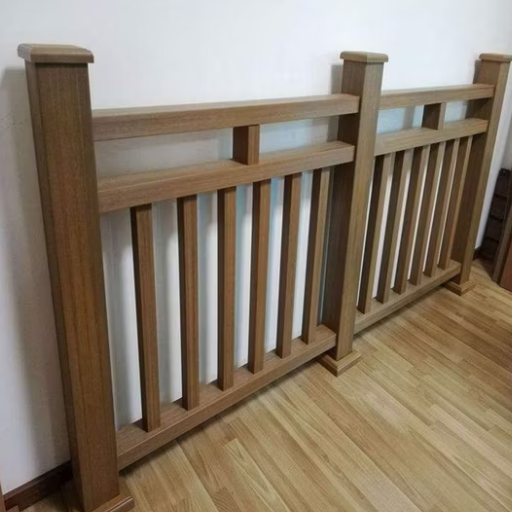
Impact of Environment on WPC Railings and Fittings
The structural integrity and durability of WPC railings together with accessories greatly depends on the prevailing weather conditions including temperature. When WPC railings and accessories are exposed to sunlight for a long period time, especially in many days without break, sometimes it can happen that colors will start going away gradually because of the sun’s UV rays. In order to combat this, many modern WPC products come with UV resistant additives to help even out colors over a long period of time. Effectively, temperature differences between wpc and other materials prompt their thermal expansion in relation to each other making them contract. though this process will be miraculously awarded, causes such as proper placement, expansion joints and sliding will go along the way to taking care of the abortion. Too much moisture in the weather is also a big issue. WPC materials are designed to block water absorption making them rot, swell and mold to a less extend than the way traditional wood does. Despite that, in order to achieve maximum efficiency, allowing water flow and proper air circulation around the construction is an clear necessity. One good way of preventing timber from aging prematurely and looking grayish, and matte is by using WPC materials. This is possible thanks to the rot proof, moisture resistant as well as the termite-proof nature of these plastic composite products. Further modifications promise to preserve the surface for a longer duration. In principle, the structure may undergo some finishing including painting and varnishing of imperfections. It is also proposed to apply anti-aging coat to embellish the railing after some time. In this respect, the above solution may also be modified.
Tips on Handling WPC in Various Climates
Caring for WPC materials in various climates will need attention to particular weather patterns that might affect its durability. But, in my experience, one of the most important in such spects is regular cleaning so that dirt or any other debris does not accumulate outside the expected area. For example, where the climate is normally hot with persistent rain, for instance in the tropics or coastal region, I currently wash the WPC with mild soap and a soft scrub noting at least a few months to avoid those attacks of mold and mildew. Also, drainage capability in the area of the WPC use is important. I normally check the areas and unblock any passages or gutters that hold water as failure of such means would expose the wpc to moisture causing it to develop water spots. Next critical function in WPC upkeep consists of climate moderation, in particular zones with diverse temperature ranges. Let’s assume, in high-temperature and sunny areas, special UV-protective polymer surface coatings should be applied specifically for WPC. These coating agents can contribute to lessen the sun fading effects and maintain the vibrant tint of the subject matter. In relative contrast, in colder regions where there are freezes and snows, particular care is taken to prevent damage to the material by use of plastic shovels in removing the ice and snow in case it forms. Exposing the materials to harmful substances such as kerosene or salty liquids is also inacceptable. In the end, well-applied regular inspections are useful in maintaining the integrity of the WPC deck. And then come the further steps In details, from regenerating lost or missing decking planks to the repair or replacements of flawed ones, and so on. Capitalizing on these inspections and any maintenance plans developed thereafter will ensure the WPC deck is enjoyed in good condition for many years.
Choosing the Right Location for WPC Installations
When choosing the location in which Wood-Plastic Composite (WPC) would be the most appropriate, the question of all the factors that would contribute to good performance and durability needs to be answered. The effect of high exposure of sun bears a major influence since the excessive heat or the UV rays cause the following: discoloration and in some cases slight warping of the material perception. Areas that are not exposed to direct sunlight, or sometimes simply places with pergola structure help protect against weather damages. Drainage problems are significantly preventable to reduce puddles that may expose the water to long term destructive effects and weaken the contour of the building. Keeping the ground in uniform surface also discourages water logging and as well improves the structural strength. Nevertheless, it remains until the point that the intended use of the WPC and the prevailing weather conditions are well known by a client, for example, rapid temperature changes or moisture levels. All of these factors are affected from this point forward and contribute to the development of such market as WPC. On them, as presented above, the rational consumer should rely – taking into account these features, the optimal performance and the exterior decoration of such WPC structures as they are: the environment should be suitable for every potential customer.
Reference Sources
Structure and Properties of Wood-Polymer Composites (WPC)
Source: books.google
Link: View Resource
Relevance: Explores the strength, durability, and applications of WPC products, including railings and small architectural forms.
New Technology for Enhancing Wood-Plastic Composites
Source: go.gale.com
Link: View Resource
Relevance: Discusses advancements in UV-curable coatings for WPC products like decking and railing profiles.
Improving Wood–Polymer Composite Products: A Case Study
Source: sciencedirect.
Link: View Resource
Relevance: Examines challenges and improvements in WPC products, including railing systems, to enhance durability and performance.
Frequently Asked Questions (FAQs)
What is WPC Railing and How Does It Compare with Traditional Wood Railing?
WPC (Wood-Plastic Composite) railings are modern systems of functionality and efficiency developed from composite materials and wood. While very much resembling hardwood, it is a high-tech device, with very good strength and solid construction. WPC products are a remarkable and often the best solution when it comes to outdoor use in unstable areas such as insulation of balconies or decks. A great amount of the WPC railing lines are intended specifically for high-temperature performance and offer options with stainless steel fasteners or elegant stainless steel fittings to enhance the longevity of the products already available in-almost every design. Its surface can be either hollow or solid and can come in flat and ribbed variations, and various wood-like patterns and colors, including factory stained and decorative patterns. Also, these alternatives are eco-friendlier, which is another advantage, as composite decks and composite railings do not use as much timber and do contain some recyclable plastic portions.
What are the most common accessories for WPC to be used in the installation of a composite fence?
Primary WPC accessories for composite railing installation are leg braces, WPC screws, handrail connectors and post bases along with finishing bars. Some manufacturers provide complementary panel covers and decorated column caps for interlocking horizontal and vertical cladding systems. Installing a railing or deck connection with stainless steel screws and appropriate deck accessories will have the way the connection works and looks last long. Often these parts are purchased together with the deck and railing system and this is usually the case with contractors and customers of equal interests. The choice of accessories during the installation process helps to save time and cuts down on home owner call-backs.
How to make a choice between hollow and solid WPC railing profiles?
The decision to use hollow or solid profiles largely hinges on the design specifications, cost factors and the aesthetic appeal; solid ones tend to be high in stiffness and much more load bearing while hollow ones are generally light weight and also cheaper. When hollow, it is still possible to increase the weight of a section through steel inserts or increased thickness of the walls so that it can withstand the high forces present in most outdoor spaces that are characteristic of heavy pedestrian traffic. Solid surfaces are also able to withstand dents and hold other surfaces stronger, staining or coloring them; even though a significant amount of WPC finishes come in the form of leaves for easy application without doing further painting work. Determine the uses—admittedly, balcony railings as well as stairs tend to have solid profiles or reinforced ones depending on the requirements of the structure. Get in touch with the WPC manufacturing firm or the producer of WPC railinigs to enquire about any suitable setups that match up to your structural requirements.
Do WPC railings require regular upkeep. What is the outdoor performance of WPC railing?
There is low maintenance and WPC decking railings are ideal because they are less affected by moisture, decay, and pests in contrast to most raw materials like wood which require regular cleaning, protecting, sealing and stain application. As well as the mixture and the complex technology in the outer layer protect the railing from exposure and abrasion, regular cleaning using a mild detergent helps in maintaining new look or shine particularly in the areas near the sea or under the bright sun. The colors in such high quality WPC furniture are usually kept well with the protection of working UV stabilizations and improved compositions that will prevent color back and surface chalking over time. When it comes to cold or damp weather, and when the correct cladding or panels are installed, the proper ventilation and structure are sufficient to allow good airflow and prevent moisture in the cavities. And in this sense, it is not difficult to understand why people would have such a long railing for their deck. Solid and long-lasting railing systems, that require minimal maintenance are highly appreciated by the homeowners.
Can hard plastic substrate railing systems be customized given unusual design needs or sizes?
Most hard plastic substrate manufactures and system installers allow customization of their products. Such customization may include custom handrails, custom color, patterns or other decorative panel insertions as required, even posts at different length to accommodate for different terraces or surface layout. Hard plastic substrate factories, especially those with several lines are also capable of providing large stock orders no tandem price, as well as carrying out the necessary adjustments and changes in most other wholesale supplies. Even special designs of integrated fitting for light release, in this case all, but the excluded central cell. Also people use the goods like in case of other products. Even re-focus the out view of the deck or take the ground from the baseboards. It can work. Custom fitting gives opportunities to all designers to perform characterizing even traditional styles which are when are with good pressure on durability and modern trends as well in a single material.
Categories:
Blog
Tags:
Installation & DIY
Related Articles