WPC Decking vs. Traditional Wood: Which is Better for Your Patio?
The selection of appropriate decking material serves as a vital choice which determines both the visual appearance and the strength and upkeep requirements and the total worth of your outdoor area. The two most common choices for decking material WPC Wood Plastic Composite decking and conventional wood both present unique advantages and disadvantages. The optimal choice for your patio area requires you to determine which option works best for your needs. Through this blog post we will present the main distinctions between these two materials which will assist you in deciding according to your requirements and style choices and future intentions. We provide essential information and cost assessments to help you choose between environmentally friendly options and budget-friendly solutions and durable materials for your patio project.
Understanding WPC Decking and Its Components
What is Wood Plastic Composite (WPC) Decking?
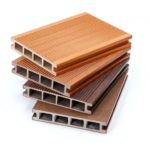
Wood Plastic Composite (WPC) decking functions as a modern construction material which unites the visual appeal of natural wood with the enduring strength and easy upkeep of synthetic materials. The material creation process involves mixing wood fibers which include sawdust and wood flour with thermoplastic materials that consist of polyethylene and polypropylene and PVC. The material composition creates a product which protects against decay and insect damage and moisture intrusion, making it suitable for use in outdoor areas. WPC decking contains performance-enhancing additives which include UV stabilizers and colorants and bonding agents. The product attracts eco-conscious consumers because its production process uses recycled materials which decrease waste and environmental harm while delivering an environmentally friendly decking solution.
The main ingredients which make up WPC Decking products
The first aspect which I notice about WPC decking exists because the material consists of different components that create its special composition. The manufacturing process of WPC decking involves the combination of wood fibers which include sawdust and wood flour and thermoplastic resins which include polyethylene and polypropylene and PVC. The material combination creates a product which displays wood strength and natural wood appearance together with the plastic’s durable and easy-to-maintain characteristics. The exact wood-to-plastic ratio depends on each manufacturer but it plays a vital role because it determines how the final product will perform through its moisture resistance and durability and visual appearance.
The performance of WPC decking base materials gets improved through the addition of several extra components which provide essential support for its operation. The decking material receives protection from ultraviolet radiation through the application of UV stabilizers which lessen the potential for fading and deterioration that occurs through time. The application of colorants enables the creation of multiple finishes which showcase either natural wood patterns or modern design styles. Bonding agents establish essential connections which enable wood fibers and plastics to maintain their bond together, thus creating a strong base which strengthens the entire decking system. Certain manufacturers develop their products with anti-microbial agents and fire retardants to meet specific customer needs.
The environmental advantages of WPC decking together with its ability to adapt to various conditions present two main features which I find most valuable. The wood and plastic materials which make up more than half of the product originate from recycled sources, which helps the company achieve its sustainability objectives while decreasing environmental waste. The combination of these essential elements provides WPC decking as an outdoor solution which delivers homeowners and builders a sustainable and flexible product that lasts for many years.
Benefits of WPC Deck Flooring
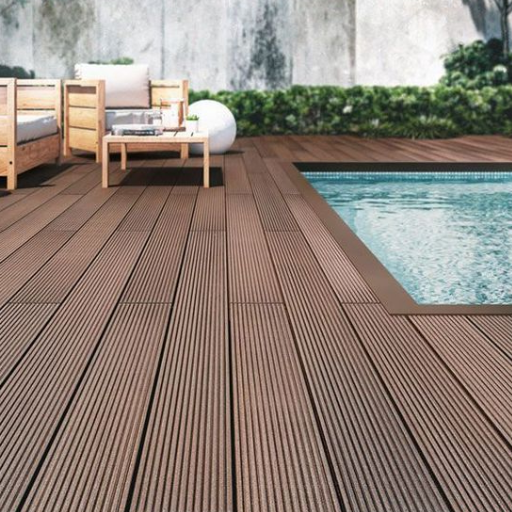
WPC deck flooring provides numerous advantages that make it an excellent choice for both residential and commercial outdoor spaces. Its main advantage comes from its durable nature which protects against common problems that occur with wood materials because of its wood fiber and plastic composition. WPC decking provides an easy-to-maintain solution because it needs less work to maintain than traditional wood decking systems. The product’s slip-resistant surface provides another important benefit which improves safety in locations that experience wet weather. The product works well in areas that include poolside spaces and patio areas and garden spaces. WPC decking offers homeowners and designers design options through its multiple available styles and colors and textures which meet their specific design needs while maintaining functional qualities. WPC deck flooring achieves environmental sustainability through its utilization of renewable resources and materials that have been recycled. The process decreases the need for new wood materials while it also decreases the environmental effects which occur during construction activities. The materials’ durability ensures a longer lifespan, reducing waste and the need for frequent replacements in the long term.
Traditional Wood Decking: Characteristics and Advantages
Types of Traditional Wood Used for Decking
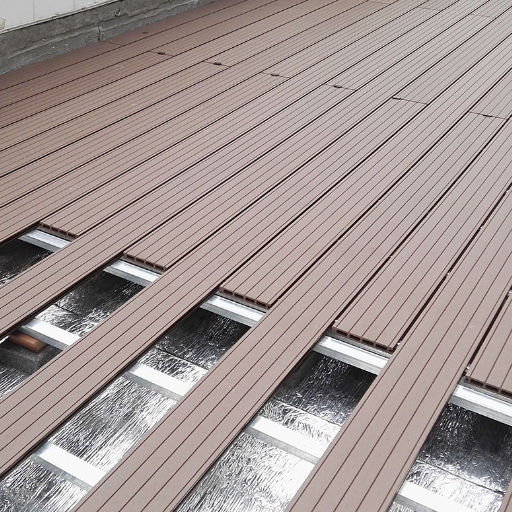
Traditional wood decking provides different wood types which deliver distinct properties and advantages to users. The most commonly used wood types include:
- Cedar: A popular choice for decking, cedar is known for its natural resistance to decay and insect damage. The material possesses lightweight characteristics which enable easier handling and its warm brown hue provides visual charm to outdoor environments.
- Redwood: Renowned for its durability and natural resistance to moisture, redwood is another highly favored material. Homeowners who want an attractive and functional solution find its fine grain and deep red hues to be an ideal choice.
- Pressure-Treated Wood: The wood type known as pressure-treated wood uses chemical treatment to protect pine and fir from rot and insect damage and fungal outbreaks. The material serves as a cost-effective option which most people can find for their decking requirements.
- Tropical Hardwoods (e.g., Ipe, Teak, and Mahogany): These exotic woods feature exceptional density and durability which enables them to resist industrial wear and insect damage and outdoor degradation. The natural oils of these materials improve their lifespan yet the materials cost more and need additional labor for construction.
- Southern Yellow Pine: A commonly used wood in the United States, Southern Yellow Pine is often pressure-treated for durability. The material serves as an economical solution which delivers sufficient strength for outdoor decking work.
All wood types offer different costs and maintenance needs and lifespan, which enables homeowners to select the wood type that matches their local climate and budget and personal design tastes.
The Beauty of Wood: Aesthetic Appeal
Wood brings a permanent design element which enhances the aesthetic value of any environment. Designers can create traditional rustic designs and modern sleek designs through wood’s natural grain patterns and wood textures and wood hues. Different wood species show distinct visual characteristics because oak displays a traditional deep appearance with its prominent grain pattern while cedar shows a warm reddish color which develops an attractive patina as it ages. Homeowners and designers get multiple design options because wood can be treated with stains and paint or used in its natural state. Wood can function as a design element for interior spaces and outdoor areas because its natural beauty creates warmth and sophistication which improves the complete environment. People who want both beauty and practicality choose wooden elements because they can maintain their attractive appearance through proper maintenance.
Maintenance and Upkeep of Wood Decks
Wood decks need proper maintenance and upkeep to maintain their durability and appearance and their structural integrity. The deck needs regular cleaning which will remove dirt and debris and organic materials that create conditions for mold and mildew growth. The wood surface needs cleaning with a gentle cleaning solution and a soft-bristle brush because this method protects the wood. The deck needs sealing or staining every 1-3 years because this protection method defends against moisture and UV rays and weathering. The deck requires inspection at regular intervals because this process helps to detect damage which includes loose boards and cracks and rot and enables prompt repairs which stop further damage. The proper drainage system needs maintenance through the cleaning of gutters and their surrounding areas because this practice prevents water pooling which leads to accelerated wood decay. Homeowners can extend the life of their wood decks by following these steps while they maintain the aesthetic appeal of their outdoor spaces.
Comparing Durability and Longevity
WPC Decking vs Traditional Wood Which Lasts Longer
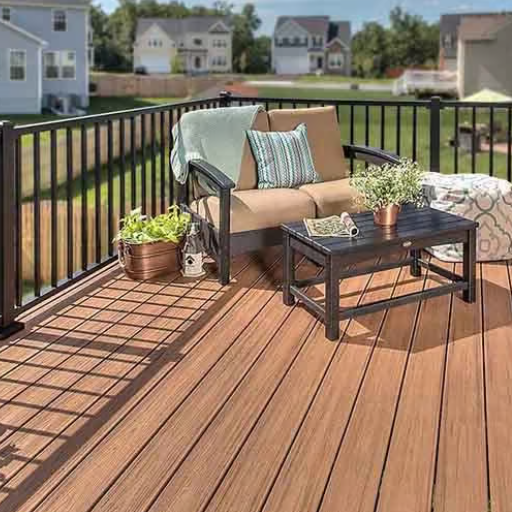
The durability of Wood Plastic Composite WPC decking exceeds that of traditional wood materials according to durability and longevity tests. WPC decking which consists of recycled wood fibers and plastic components achieves high protection against weathering and moisture damage and termite infestation. WPC decking maintains its structural integrity for decades because its composite materials do not require extensive maintenance unlike natural wood which develops warping and cracking and rot problems. The natural beauty of traditional wood decks requires homeowners to maintain their appearance through regular sealing and staining and repair work which protects against environmental deterioration. The average wood deck lifespan reaches 10 to 15 years with proper maintenance while WPC decking lasts more than 25 to 30 years because of its composite materials which withstand common damage factors. Homeowners who want to achieve long-lasting value prefer WPC because it shows high resistance to different weather conditions and requires minimal upkeep.
Resistance to Weather and Pests
WPC decking material has been designed to withstand both severe weather conditions and the typical pest problems that threaten conventional wooden materials. The material maintains its shape because the composite structure consists of recycled wood fibers that combine with plastic to create a product which resists expansion and contraction and warping under temperature changes and humidity fluctuations. WPC decking provides excellent moisture protection which decreases the chances of deadly mold and rot damage to the material. The material protects homeowners because it does not attract termites and other wood-boring insects which commonly target natural wood products. The product’s ability to withstand environmental conditions makes it attractive to customers who live in areas that experience extreme weather and high insect populations.
Cost-Effectiveness Over Time
WPC decking delivers substantial financial advantages throughout its lifespan which exceed the benefits of traditional wood decking. Homeowners experience lower maintenance expenses because WPC requires almost no maintenance work despite its higher initial costs. The product becomes a budget-friendly option because its extended lifespan reduces the requirement for product replacements. The product maintains its original look and structural strength because of its ability to withstand water damage and pest infestation and environmental deterioration which stops wood-based products from deteriorating. The combination of long-lasting strength and low maintenance requirements establishes WPC decking as an intelligent investment for landowners who want to increase their property value through time.
Installation Process: WPC vs. Wood
Ease of Installation for WPC Decking
The installation of WPC (Wood Plastic Composite) decking presents an easy and efficient process which enables both professional installers and DIY users to install the material without difficulties. The design of WPC boards includes interlocking systems and pre-drilled holes and hidden fasteners which enable users to achieve proper board alignment without needing advanced tools or measurement equipment. The boards become easier to handle and position during installation because their weight remains lighter than that of standard wood materials. WPC decking provides another advantage because it can be installed on current buildings while using various subframe materials, which lets designers choose different building configurations. WPC materials maintain their original shape because they break into small pieces and they do not expand or contract with temperature changes, which makes cutting and fitting pieces easier because their shape stays constant. WPC decking presents an easy installation process because manufacturers provide detailed guidelines which lead to quick installation and deliver professional results with reduced effort.
Traditional Wood Deck Installation Challenges
The process of installing wooden decks through traditional methods faces multiple specific challenges which create difficulty for installation work. The main issue arises from the fact that natural wood materials become vulnerable to damage through effects of environmental conditions which include both moisture and temperature changes. The structural integrity of wood materials becomes compromised because they need exact acclimatization together with ongoing upkeep to preserve their original strength aspects. Wood protection against decay and insect damage together with ultraviolet protection requires three essential processes which make the task both difficult to accomplish and time-consuming to complete. The building process of a wooden deck requires detailed planning because its design needs both proper execution and execution to work properly.
Tools and Techniques for a Successful Decking Project
Workers need to use top-quality equipment together with effective work procedures to achieve precise results which will make their decking work sustainable. Essential tools include a power drill, circular saw, leveling tools, and a tape measure—all of which play a critical role in measuring, cutting, and securing the decking materials accurately. The visual appeal of the deck together with its long-term strength will improve when people choose stainless steel screws and hidden fastener systems for their deck. The installation area requires complete preparation which represents the second major technique used for building. The process includes three steps which involve leveling the ground while creating proper drainage and establishing a solid base that will stop future structural problems. The installation of waterproofing membranes together with deck sealers will establish protective measures that safeguard against water damage while increasing the deck’s lifespan. The process of assembling the deck needs workers to focus on assembling details which include creating equal board spaces and constructing the structure according to its design. Your deck will achieve both beautiful appearance and long-lasting strength when you combine proper tools with your carefully planned work methods.
Choosing the Right Supplier for Your Decking Needs
Leading WPC Decking Manufacturers
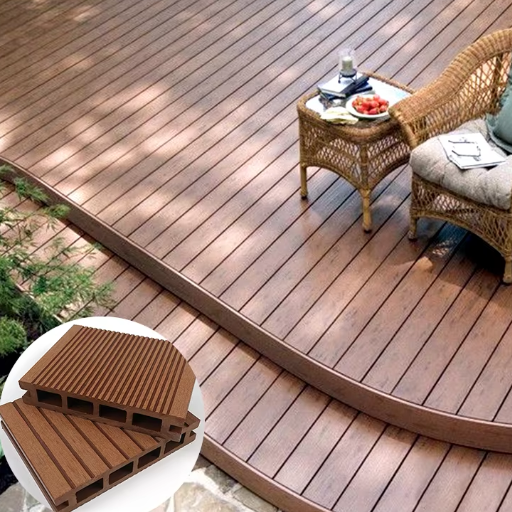
When you need to choose a WPC (Wood-Plastic Composite) decking supplier select manufacturers who provide high-quality materials and implement sustainable innovative practices. Based on my research, some leading WPC decking manufacturers include Trex, Fiberon, TimberTech, and NewTechWood. The companies have built their market standing through their delivery of long-lasting easy-to-care-for environmentally friendly decking products which meet different design and practical demands. Trex stands as one of the leading companies that people know best in the WPC decking market. Their sustainable products contain 95% recycled materials which include reclaimed wood and plastic. Trex decking offers customers multiple color and style choices which the product uses to provide fade and stain resistance. Fiberon develops its deck boards from recycled content which it sources locally to achieve both aesthetic and durable results. Fiberon establishes itself as a top supplier through its dedication to extended product warranties and its development of advanced product designs. TimberTech and NewTechWood also deserve recognition. The company TimberTech provides its customers with high-end WPC decking products which showcase authentic wood appearance through their material design and wood texture. NewTechWood has built its reputation through its UltraShield technology which creates a superior deck protection system that prevents fading and staining and safeguards against weather damage. The selection of any established manufacturer guarantees your decking project will use materials that demonstrate both exceptional craftsmanship and environmental sustainability. The process of making an informed decision requires you to evaluate warranties and designs and customer reviews until you find which options meet your main requirements.
Finding a Reliable Composite Deck Supplier in China
China serves as the main global producer of composite decking materials because it provides customers with numerous suppliers and manufacturers. When searching for a reliable supplier, it is essential to focus on several critical factors. First, manufacturers need to demonstrate their compliance with international quality and safety standards which ISO certifications establish as proof of product quality assurance. The evaluation of their production capacity should demonstrate whether they can meet all your project needs which include both residential and commercial requirements. A trusted supplier must deliver complete product specifications which include details about material composition and UV protection and durability testing results. The data shows both honest business practices and trustworthy operational methods. Companies that receive positive client feedback and have export experience should be selected because these factors demonstrate their reliability and professionalism. Leading Chinese composite deck manufacturers provide customizable designs which enable you to choose your preferred product style and color and texture specifications. Trade shows and professional platforms and direct communication all provide effective ways to establish relationships with suppliers while assessing their business capabilities. Businesses should select suppliers who deliver complete product warranties together with extensive customer service because this demonstrates their dedication to satisfying customer needs. The strong marketplace in China serves as an excellent source for high-grade composite decking materials when businesses conduct thorough research and analysis.
Evaluating Quality: WPC Decking Boards and Deck Flooring
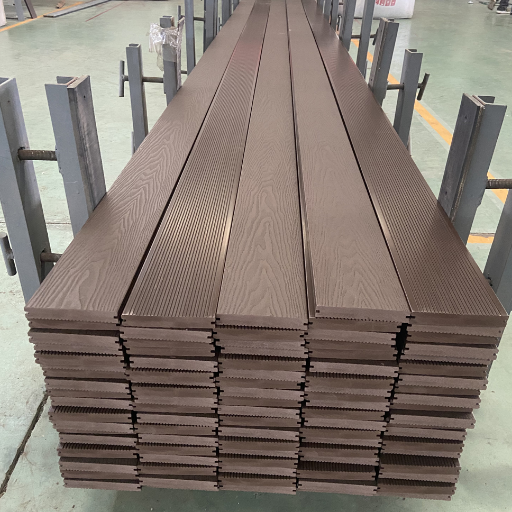
The assessment of WPC (Wood-Plastic Composite) decking board quality and deck flooring quality needs multiple essential elements which must be identified for assessment. The material composition of the boards needs to be assessed because high-quality WPC products provide optimal performance through their balanced wood fiber to plastic ratio. The surface finishing needs attention because a board with proper finishing demonstrates better protection against scratches and fading and staining throughout its lifespan. The boards achieve their maximum load-bearing capacity through their thickness and density which affects their structural integrity. The product needs to undergo testing for its ability to resist moisture and ultraviolet radiation and temperature changes. The development of advanced manufacturing technologies has produced WPC boards which provide better water resistance and improved dimensional stability during different weather conditions. The search for certifications and industry compliance standards becomes essential because these documents show the existence of thorough quality assessment procedures which manufacturers use to test their products. The evaluation of these aspects enables you to choose WPC decking materials which will maintain their performance and appearance over an extended period.
Reference Sources
Regarding Some Mechanical Properties of Decking Made of Wood-Polymer Composites with Different Fillers
Source: forestscience.com.ua
Link: https://forestscience.com.ua/web/uploads/pdf/UKRAINIAN%20JOURNAL%20OF%20FOREST%20AND%20WOOD%20SCIENCE_Buiskykh.pdf
Relevance: This study examines the mechanical properties of WPC decking with various fillers, providing insights into its performance.
Improving Wood–Polymer Composite Products: A Case Study
Source: sciencedirect
Link: https://www.sciencedirect.com/science/chapter/edited-volume/abs/pii/B9781845692728500152
Relevance: A detailed analysis of WPC products, focusing on their durability and challenges in outdoor applications.
Evaluation of WPC Properties Made with Different Wood Types, Additives, and Processing Techniques
Source: scholar.sun.ac.za
Link: https://scholar.sun.ac.za/server/api/core/bitstreams/21ea3076-4509-46f2-99f2-5f73465af69f/content
Relevance: Research comparing the properties of WPCs made with various materials and techniques, highlighting their suitability for decking.
Frequently Asked Questions (FAQs)
Is wood plastic composite decking a good choice for outdoor living areas?
Wood plastic composite decking serves as the perfect outdoor living solution because it combines natural wood appearance with plastic materials which provide durability for garden decks and balconies and rooftop terraces and swimming pool areas. The product requires less upkeep than lumber or cedar because it resists decay and moisture and warping while providing protection against UV radiation and maintaining surface finishes. The production of many composite decking boards uses either extrusion or co-extrusion processes which improve plastic durability and create 3D embossed wood grain textures that produce an authentic appearance. The material functions as an environmentally friendly option because it can be recycled which benefits eco-conscious projects in residential and commercial environments. WPC outdoor decking provides a cost-efficient flooring option for pathways and terraces because of its extended lifespan and exceptional durability.
How much easier is it to care for composite decking compared to standard wooden decking?
Because composite decking needs no staining or sealing or sanding for upkeep, its maintenance requirements become much less demanding than those of standard wooden materials. The outdoor performance of the material requires less maintenance because its composite wood and wood-plastic construction protects against moisture and scratches and extreme weather while preventing wood decay and warping. Many boards feature anti-slip and non-slip finishes, which make them safe to use in swimming pool areas and wet zones, while cleaning them remains easy because users can remove dirt with soap and water. Professional installation ensures that your project achieves perfect results through complete installation for all outdoor areas at home and business locations. The maintenance expenses and time requirements for composite decking become lower than those for natural wood materials.
What information should I understand about WPC decking installation guides and its professional installation process?
WPC flooring installation guides provide instructions about optimal subframe spacing and required ventilation and concealed fastening methods and thermal expansion needs which must be managed to achieve a perfect installation. The guides enable many DIYers to complete their projects but they should choose professional installation services for challenging environments which include rooftop terraces and commercial spaces and pool areas because those services maintain workplace safety and apply anti-slip measures and extend product durability. Installers provide guidance about plank direction which includes cutting walkways and stair nosing and selecting surface finishes and co-extrusion profiles which protect against UV damage and provide durability. The process of correct installation enables manufacturers and suppliers to maintain their warranties while composite decking boards receive maximum durability and operational performance. An experienced team helps to prevent common problems which arise from poor drainage and inadequate fixation because these issues harm weatherproof performance.
What about WPC for swimming pool decking?
As a versatile material, WPC is broadly utilized in swimming pools and pool areas due to its waterproof and moisture resistant qualities, and it often comprising walkable surfaces. It is a smart alternative to natural wood in areas that are infested by decay resistance and wear and tear like mildew resistant flooring. Also, durability of plastic products contributes to detectable changes over many years. Sufficient number of composite decking products incorporate multi UV resins and sparts and certain will have pool safe and anti-scratch surface. Those materials offer a practical remedy to most pool builders looking to minimize construction labor costs indoors and out. Mainting extended life performance levels, they are used in most outdoor pool projects for both residential and commercial purposes. Proper drainage and professional setup work in tandem to boost safety and overall quality above and around aquatic environments.
How well is the wood plastic composite (WPC) recycled and is Wood plastic composite decking eco-friendly?
Wood plastic composites can be considered to be eco-friendly because they use recycled ingredient products like reclaimed wood, recycled polyethylene etc which in turn always leads to wastage reduction and also helps to keep plastics from landfills. Eyecatching in the pictures of electing can incorporate the use of recycled plastics that certain sections focus g against new wood, thus making it a better option for the environment and replacing virgin wood. Low lifecycle environmental costs are realized by the lengthy life of WPC decking and the absence of regular Joan praise of chemicals to control and pesticide treat contribute to that. Wpc are environmental profiles are simply because there are recyclability and environmental concerns in various manufacturers, therefore, whose profile is already but do not recycle greatly varies by the manufacturers and also the supplier so it is important to be sure of the what the manufacturer and the supplier have defined limitations. They prefer an outdoor product that uses recycled materials-free and fully recyclable materials by making sure that the product includes those and in addition, the product should include recycling activities in its production at the end of its life among other aspects.
What are the key disparities between co-extruded and standard extruded composite decking?
Extrusion is pleasantly proficient whereas co-extrusion pairs extrusion up with a co-extrusion generating distinctive composite plank with two layers: an outer and inner layer the inner one being the structural composite material and oven hybrid. The outer layer is the co-extrusion and usually has UV inhibitors that are strong and more effective over time and then also other additives such as scratch resistance and mold inhibitors and that makes it more effective than the regular ol’ extrusion style-planks… I’m sure there are other ways margarine is made which are better than this. Composite co-extruded boards have been equipped with effective measures against water durability and great ease of maintenance while traditional while traditional extrusion composites will suffer under such conditions. Consequently, these composite outdoor display materials will be more suited for busy urban also thin commercial sectors. The achievements of traditional extrusion so far are sufficient to frustrate the enemy, but the cost of the standard technique remains almost as good as that of the co-extrusion reinforced composite wood planks butt the mechanical portion will be the limiting factor. The choice will mostly boil down to the aspects of camouflage more specifically. Price and comfort in completion of the virtual appeal will be crucial in the blend designs.
Categories:
Blog
Tags:
Product Comparisons
Related Articles