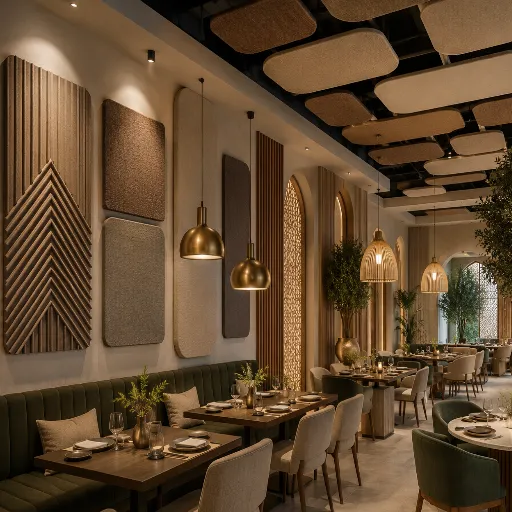
Acoustic Slat Panels: Enhancing Sound and Style in Modern Homes
Homeowners together with designers pursue design solutions which offer practical functions and attractive visual elements in contemporary interior design. Acoustic slat panels have become a popular option which helps people create sophisticated modern spaces. The modern panels improve room appearance through their straight design while they achieve effective sound control by decreasing noise and echo. This blog post will explore how acoustic slat panels strike the perfect balance between style and practicality their benefits for modern homes and tips for seamless interior design implementation. Acoustic slat panels serve as essential components which help you build your home office and living room and home studio.
Introduction to Acoustic Slat Panels
What are Acoustic Slat Panels?
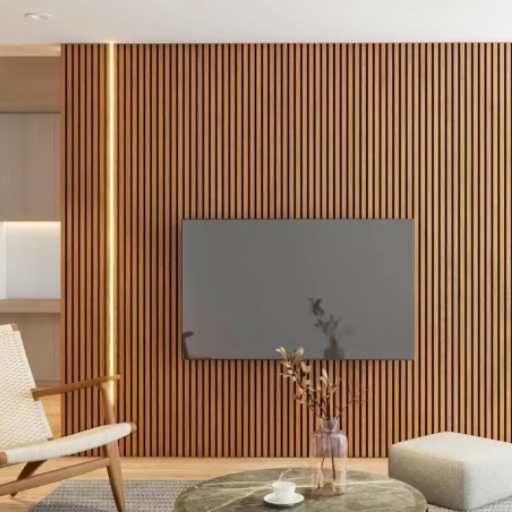
Acoustic slat panels serve as modern architectural elements which improve the visual appearance and sound characteristics of indoor areas. The panels are built with vertical wooden slats that the system supports through their installation on a felt backing material which contains sound-absorbing properties. The system functions to decrease room echo and reverberation while controlling overall noise by attacking sound wave propagation. The product offers multiple finishes and wood tones and different design options which enable users to create styles that match modern and minimalist and rustic interior designs. The panels enhance indoor space comfort through their acoustic balancing properties while functioning as an eye-catching element which improves the atmosphere of residential spaces and work environments and creative spaces.
The Benefits of Using Acoustic Panels
Acoustic panels provide multiple advantages that improve both the operational efficiency and visual attractiveness of a space. The panels help offices and recording studios and home theaters achieve better sound quality through their ability to diminish distracting sounds and echoing noises. Work environments experience productivity improvements through better sound quality while entertainment areas provide users with complete immersive experiences. The installation of these panels creates a peaceful environment which enhances mental health by decreasing the stress caused by loud sounds. Modern acoustic panels use sustainable materials because more people want environmentally friendly design options. The interior space requires these elements because they provide multiple advantages which create an atmosphere that satisfies both visual and spatial needs.
Why Choose Wood Slat Wall Panels?
Wood slat wall panels serve dual purposes because they provide functional benefits together with their visual appeal, which makes them perfect for contemporary indoor design. The panels maintain their natural warmth together with their classic beauty, which results in an upgraded elegant appearance for every atmosphere. The wood slat panels demonstrate practical advantages because they enhance sound management through their capability to decrease background noise together with echoing sounds, which leads to quieter spaces that promote better comfort. The wood slat panels maintain environmentally friendly design standards because their materials come from sustainably managed forests together with their use of recycled resources. Wood slat panels extend their design possibilities because they adapt to residential spaces together with office environments and commercial buildings, while offering customers multiple design options through their various finish and pattern choices. The products create modern spaces because they require simple setup procedures together with their minimal upkeep requirements.
Types of Acoustic Slat Wall Panels
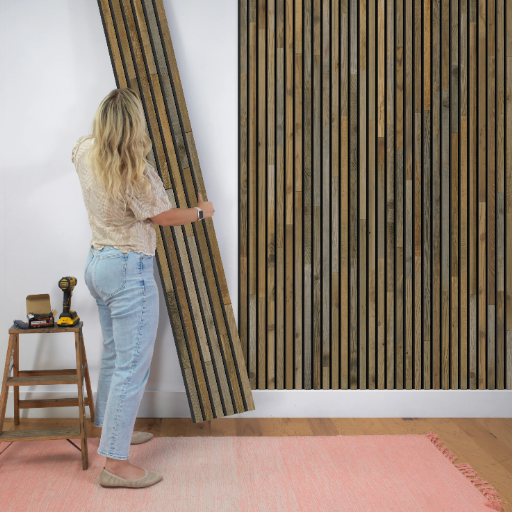
Wood Acoustic Slat Panel Options
The wood acoustic slat panel system offers multiple design solutions which meet both aesthetic requirements and functional demands. The panels can be constructed from solid wood materials which provide a natural look and enduring design or from engineered wood materials which offer superior strength at lower costs. The three popular wood species oak, walnut, and pine each produce unique grain patterns and different tonal characteristics. The panels provide a veneer finish which enables users to choose their preferred color and texture while maintaining a modern polished appearance. Many manufacturers provide environmentally friendly products which use reclaimed wood and certified materials to attract customers who value sustainability. The panels support additional personalization through different backing options which include acoustic felt material that enhances sound absorption to create a more peaceful and soothing atmosphere in any room.
Comparing Materials: Wood vs. Other Acoustic Solutions
The acoustic performance between wood and other materials shows distinct results which differ from each other in their ability to perform, their ability to last, and their effect on the environment. Wood panels create a natural appearance which matches various interior design styles, and they deliver both cozy and elegant appeal. The material wood provides durability which engineers and manufacturers can use to create products that will last through different climate conditions.
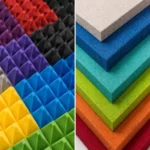
The sound absorption performance and cost efficiency of fabric-covered panels and foam materials represent superior advantages compared to other acoustic solutions. The lightweight nature of these alternatives combined with their simple installation process makes them suitable for environments which need fast temporary soundproofing solutions. The materials do not offer the same design possibilities and long-lasting performance which wood provides.
The different materials display their environmental effects through their environmental effects. The panel made from wood plus its sustainable product sources or reclaimed materials, serves as an environmentally friendly solution. The production processes of synthetic materials which operate effectively depend on petroleum, thus creating environmental problems for their production methods.
The decision between wood and other acoustic solutions requires evaluation of project requirements to determine optimal visual design, operational performance, and environmental responsibility requirements.
Custom Designs for Your Acoustic Needs
The process of developing custom acoustic designs creates functional arrangements that fulfill distinct needs of each individual space. Designers create custom solutions which optimize sound performance and maintain visual appeal through their study of room size and main activities and current furniture items. The development of new acoustic technology enables researchers to study new soundproofing materials which include hybrid sound-absorbing panels and sound-diffusing devices that adjust to different sound environments. Designers use custom solutions to create sound environments which enhance listening experiences while they use sustainable design methods which include environmentally friendly materials and resource-saving designs. The creation of an ideal acoustic space requires both artistic and scientific methods which result in improved sound quality throughout various environments.
Installation of Acoustic Slat Wall Panels
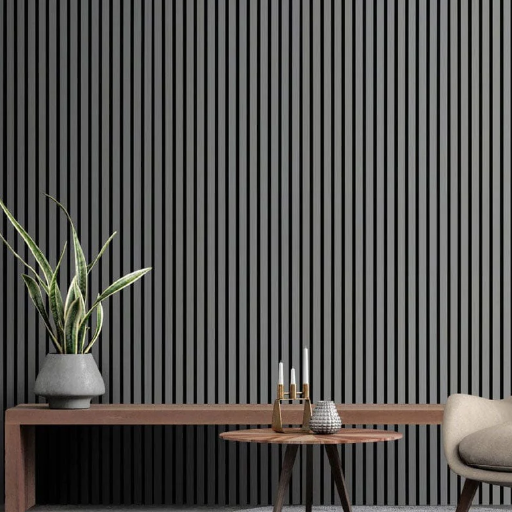
Homeowners can choose from installation options which require no special skills to use. The user-friendly design of acoustic slat wall panels enables people to control noise through their installation. Modern panels are designed to be installed easily because they need only basic tools and small work efforts to achieve successful results which make them perfect for homeowners who want to improve their homes through DIY methods. Most panels feature pre-drilled holes or they include a click-and-fit system which allows users to complete installation without training requirements. The installation of adhesive-backed panels together with lightweight mounting options becomes simple because these materials allow users to install them on walls in compact areas. Homeowners can achieve their aesthetic goals because the panels offer multiple size and finish options which combine practical use with attractive design.
Tools and Materials Required for Installation
The installation of decorative panels requires various tools and materials which will provide the necessary support to achieve a successful operational result. The essential tools for this task include a measuring tape which provides exact measurements and a spirit level which confirms panel alignment and a utility knife or saw which enables users to create custom panel dimensions. The panel installation requires a drill or screwdriver to attach panels with screws and a caulking gun serves as an adhesive application tool for users who choose glue-backed panels.
The required materials consist of the panels themselves, adhesive or screws depending on the mounting method, and any finishing trims or edges which will create the final appearance of the project. The installation process requires safety gear which includes protective gloves and safety goggles to protect workers from injuries that may occur during cutting or installation activities. The installation process will become easier through proper preparation of all necessary tools and materials which will enable users to achieve a professional installation result.
Tips for a Professional Finish
The first step to my professional finishing work requires me to clean all surfaces which need panel installation until they become clean and smooth and dry. The correct way to prepare surfaces needs to be executed because it protects the panels from damage through peeling and detachment which occurs with time. I first measure the area before proceeding to make any cuts. Operators can achieve installation accuracy through straight-edge cutting which requires a sharp utility knife or appropriate cutting tools. The results of this step depend on the combination of patience and attention to detail.
I need to position each adhesive-backed panel correctly because I will press it into position only after I finish all my work. A rolling pin or similar tool helps achieve even pressure distribution which results in proper adhesion while keeping the material unharmed. The pre-drilling process creates holes for screw use which protects the material from damage and improves installation efficiency. I recommend using small expansion gaps between edge materials because temperature changes cause materials to expand and contract during their use. I utilize finishing trims and edge pieces and caulking to achieve a refined appearance which covers all exposed gaps and edges. The seamless connection between trims and panels gets achieved through matching which also helps caulking to block dirt and moisture from reaching the space underneath the installation. The professional and durable end result occurs because I dedicate time to complete final details while I review each stage of the process.
Designing with Acoustic Slat Panels
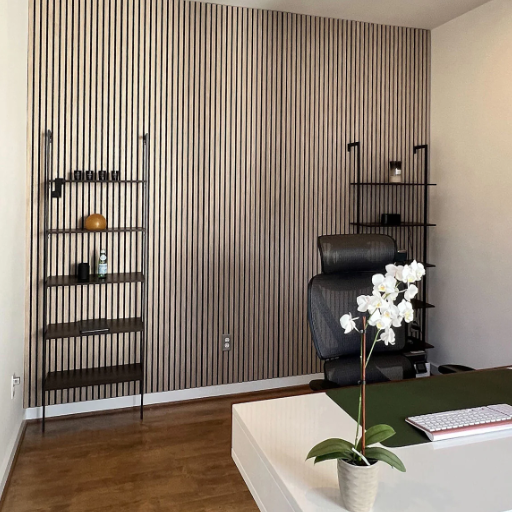
The use of Acoustic Wood Slat applications according to modern interior design requirements. The design element of acoustic wood slat panels has gained popularity among modern interior designers because these panels offer multiple design applications and functional benefits. The panels function as soundproofing materials which create better acoustic conditions for spaces by decreasing echo levels and enhancing sound transmission. The natural texture of the material brings a luxurious aesthetic which matches modern design standards through its elegant appearance.
Acoustic slat panels provide different design options through their multiple finish and wood species combinations which designers can use in their design work for different spaces from minimalist home offices to cozy living rooms and modern workspaces. The panel environmentally friendly characteristics stem from its production process which uses recycled materials and wood from sustainable sources. Designers and homeowners find acoustic slat panels to be an intelligent choice because these panels improve sound quality while enhancing the space’s visual attractiveness.
Color and Finish Choices for Wood Wall Panels
The selection of color and finish solutions for wood wall panels provides multiple options which enable designers to create different design themes. Scandinavian and minimalist interior designs benefit from neutral tones which include light oak and ash because these colors create a warm and spacious atmosphere. Darker finishes such as walnut and deep ebony create a powerful visual effect which enhances industrial design and modern design aesthetics through their rich and deep appearance. Matte finishes create an elegant appearance which diminishes light reflection while producing a basic yet refined appearance, whereas glossy finishes produce an expensive appearance which brightens interior spaces. Textured finishes which include brushed and distressed wood create authentic character and tactile features that improve rustic and farmhouse-style environments. The extensive selection of colors and finishes enables homeowners and designers to meet both their practical requirements and their creative design needs without difficulty.
Creating a Stylish and Functional Space
The process of creating a stylish and functional space starts with choosing the appropriate layout design. The room needs a well-defined layout which will determine how people move through its space in both open-plan areas and reading nooks. The design process requires designers to assess how people naturally move through the space and how much light enters the area and how large the area is.
The selection of furniture holds equal weight with other design elements. Select multifunctional furniture items which provide both visual appeal and functional value, such as a sofa bed which works well in compact living spaces and an extendable dining table which accommodates visitors. The use of ergonomically designed furniture will improve user comfort and extend product lifespan, which creates a space that people can use for their daily activities.
Performance and Noise Reduction
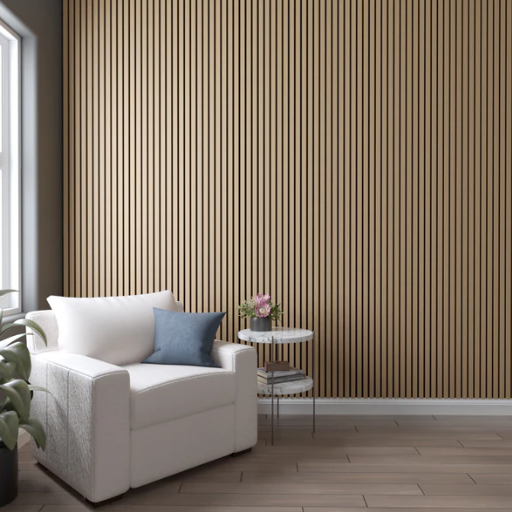
How Acoustic Slat Panels Improve Sound Quality
Acoustic slat panels provide effective sound quality improvement solutions for different types of spaces. The panels operate by eliminating extra echo together with reverberation, which results in audio distortion. The panels contain sound-absorbing materials which function to dissipate sound waves that would otherwise reflect from solid surfaces such as walls and ceilings. This method produces a complete acoustic environment which fits perfectly in offices and home theaters and studio spaces.
Modern acoustic slat panels now include sustainable design elements through their use of recycled felt and wood veneer materials which create sustainable products with practical use. The aesthetic appeal of these materials enables them to integrate into various interior designs while they enhance the acoustic performance of spaces. The panels provide major sound improvement benefits when they get installed at specific points which lead to better conversation understanding and stronger music and media engagement.
Measuring Noise Reduction Efficiency
The assessment of acoustic slat panel noise reduction performance requires the consideration of multiple essential elements. The Noise Reduction Coefficient NRC serves as the primary measurement standard which assesses a material’s sound absorption capacity across various frequency ranges. The panels with high NRC ratings demonstrate superior sound absorption capabilities which make them suitable for environments that need perfect sound clarity. The Sound Transmission Class STC rating tests the sound-blocking effectiveness of materials that create barriers to sound transmission through walls and partitions. Testing for these ratings typically involves controlled laboratory environments to ensure accuracy. The combination of these metrics provides complete evidence about the effectiveness of the panels which allows for determining the best solution to solve different acoustic problems that occur in both residential and commercial environments.
Reference Sources
Prototyping Industry 4.0: The Case of an Automated Stapler for Acoustic Slat Panel Production
Source: sciencedirect
Link: https://www.sciencedirect.com/science/article/pii/S2212827124006607
Relevance: A case study on integrating Industry 4.0 technologies in the production of acoustic slat panels.
Technical and Economic Comparison of Soundproof Wall Panels
Source: e3s-conferences.org
Link: https://www.e3sconferences.org/articles/e3sconf/abs/2019/17/e3sconf_tpacee2019_02027/e3sconf_tpacee2019_02027.html
Relevance: Analysis of soundproof panels, comparing their acoustic, physical, and economic characteristics.
NFRP Fabricated from Lignocellulosic Fibres for Future Sustainable Architectural Applications
Source: mdpi
Link: https://www.mdpi.com/1424-8220/19/3/73
Relevance: A study on sustainable materials, including acoustic panels, for architectural applications.
Frequently Asked Questions (FAQs)
What is the sound absorption performance of acoustic slat wood wall panels?
Acoustic slat wood wall panels are built to deliver class a sound absorption which operates between the mids and highs while they control the total sound behavior throughout a space. The panels combine a slat wood design with acoustic felt or other sound-absorbing backing to reduce echo and absorb sound effectively. The acoustic panels provide customers with advanced sound performance because they work better when attached to walls than when used with ceiling panels that were specifically made for them. The acoustic solutions maintain a contemporary appearance because they use real wood or wood veneer finishes which include natural oak and oak. The panels provide sound reduction benefits while functioning as decorative wall art and design elements for home theaters and office spaces.
How do wood slat panels compare to traditional acoustic wall panels?
Wood slat panels combine sophistication with practical use because they provide soundproofing benefits together with an authentic wood appearance, which distinguishes them from standard fabric-wrapped foam acoustic wall panel systems. The wooden slat walls use mdf cores which builders cover with either wood veneer or actual wood finishes that include oak wood and natural oak to achieve both strength and visual appeal. The panels feature 3d fluted or baton slat profiles that help scatter sound waves and improve sound-absorbing behavior. The panels use felt material and slat system cavities which create effective sound dampening and sound control abilities. The panels come with an installation design that enables wall attachment, which makes them ideal for accent wall applications and contemporary acoustic design solutions.
Can acoustic slat panels be used on both wall and ceiling installations?
Acoustic slat panels provide functional wall and ceiling installation options because multiple manufacturers produce ceiling panels and slat wall paneling that they design for dual applications. The process of installing ceiling systems enables space designers to enhance room sound performance through their ability to control sound waves which reflect from overhead surfaces. The ceiling panels integrate soundproof backing with wooden slat design elements to create a seamless wood finish that extends throughout the room. The panels achieve optimal sound performance when installers use appropriate mounting methods and follow recommended screw placement and weight distribution standards. The wooden wall and ceiling panels function as sound-absorbing materials which control sound by decreasing echo in the space.
What materials are acoustic wood slat wall panels typically made from?
Constructing acoustic wood slat wall panels requires MDF cores which builders cover with either wood veneer or real oak wood to achieve both visual appeal and soundproofing ability. The panels often include an inner acoustic felt layer or other absorbent material that enhances sound-absorbing capabilities and sound dampening properties. The design features 3D fluted slats and wooden slat profiles which include baton to achieve sound wave diffusion. Panels are available in natural wood finishes, oak acoustic options, or painted surfaces to match interior design goals. The panels deliver effective soundproofing while maintaining stylish design which gives modernity to all wooden wall and accent wall installations.
How do acoustic slat panels affect room acoustics and sound waves?
Acoustic slat panels control sound wave propagation through their ability to absorb mid-frequency and high-frequency sounds while their scattered sound reflections create lower reverberation levels which enhance speech understanding. The combination of slats and absorptive backing helps to absorb sound and control echoes while maintaining a stylish wood finish that functions as wall art. The panels function as audio equipment because they provide optimal sound transmission through their design which meets essential acoustic requirements found in home theaters and restaurant spaces. The strategic installation of slat panels on walls and ceilings enables you to create better room acoustics which improve listening experiences while minimizing disruptive sounds. The sound-absorbing space achieves both sophistication and effective acoustic treatment.
Do acoustic slat wood wall panels require simple installation procedures and straightforward upkeep work for their installation and upkeep tasks?
Most acoustic slat wood wall panels use an installation method which enables direct mounting to walls through standard mounting hardware. Certain systems require specific screws for each panel while others use clip systems which allow for quick panel installation. The panels come with installation instructions which allow users to cut the panels to their required dimensions for installation on wooden wall studs or drywall. The majority of products include installation guidelines which help users mount their equipment on walls and ceilings to achieve optimal acoustic performance results. The wood veneer or natural wood finish requires only dusting and light cleaning which enables people to maintain the product while the felt material components keep their performance abilities without any special maintenance needs. The panels provide long-lasting durability because they use real wood and MDF materials which have a veneer finish that maintains its elegant appearance over time. The installation process needs to use acoustical performance panels because these panels provide maximum sound control and architectural beauty.
Categories:
Blog
Tags:
Design & Inspiration
Related Articles