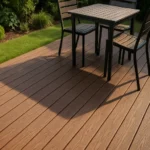
How to Choose the Best Outdoor Decking Materials for Durability and Style
The process of selecting the ideal outdoor decking material becomes challenging because you must achieve two competing requirements which are durable performance and attractive appearance. Your outdoor deck exists as more than a practical extension of your home because it serves as a place where you create lasting memories during summer barbecues and morning coffee moments. You need to learn about the different attributes and advantages of natural wood and composite solutions because these options provide multiple possibilities. The article presents essential factors which you need to consider when choosing decking materials that will endure through time while enhancing the visual appeal of your outdoor area. The backyard revamp and deck construction project provide all the necessary information you require to make your decision with certainty.
Understanding Deck Material Options
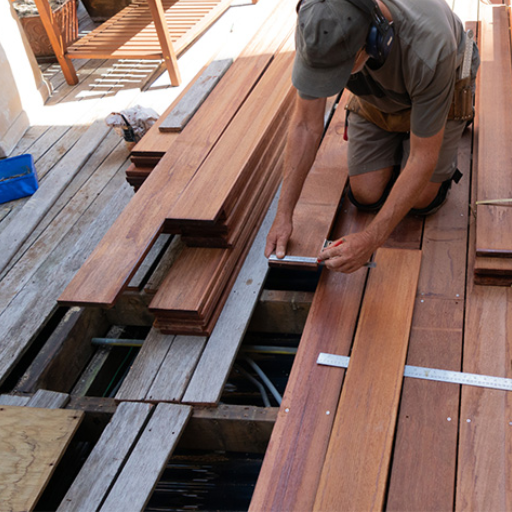
Deck Materials Overview
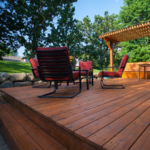
Homeowners can select from various deck materials which possess unique properties and advantages. Homeowners continue to choose natural wood because its classic aesthetic and adaptable nature. Cedar and redwood both serve as popular choices because they withstand decay and insect damage while proper upkeep extends their life span. Pressure-treated wood functions as an affordable solution which protects against insect attacks and water damage.
People increasingly choose composite decking because it combines wood fibers with recycled plastics to create a product which requires little maintenance and provides long-lasting strength. The product maintains its original appearance because it withstands fading and staining and warping which makes it suitable for users who want both functional and contemporary design solutions. Composite materials appeal to environmentally conscious consumers because they originate from sustainable production methods. PVC decking functions as an additional product which requires little upkeep because it offers exceptional protection against water damage and scratch marks which keep its surface looking new during severe weather conditions.
Aluminum decking has become popular because it provides customers with a combination of strength and lightweight design which protects against rust and mold. The product attracts customers who want modern outdoor spaces because its design and robust materials create a contemporary appearance. You can discover the ideal material for your project by assessing different factors which include expenses and durability and visual appeal and required upkeep.
The different varieties of decking materials.
| Material Variant | Performance Characteristics |
|---|---|
| Pressure-Treated Wood | The decking material pressure-treated wood stands as an economical choice because it provides protection against both decay and insect infestations. The material functions well as a home solution because it exists in various locations and is simple to handle. The product needs ongoing upkeep which includes both sealing and staining work to maintain its operational life. |
| Composite Decking | Composite decking consists of wood fibers mixed with plastic material which creates a product that requires less maintenance than standard wood decking. The material boasts exceptional durability which protects it from both color fading and mold growth while offering multiple design choices that include different colors and textures. The product might need a bigger financial commitment but its total value will make it worthwhile to purchase. |
| PVC Decking | PVC decking construction uses only synthetic materials which result in a product that offers high durability while protecting against both water and mildew and stains. The material delivers extended durability which makes it suitable for locations that experience excessive moisture or continuous rain. The product weighs less which simplifies its installation process although it sometimes shows a less authentic look when compared to wooden choices. |
| Hardwood Decking | Ipe, mahogany, and teak represent hardwood materials which people love because of their innate beauty and outstanding strength. The dense woods provide protection against both decay and insect damage and they withstand physical wear but their high market price requires constant upkeep to maintain their original aesthetic value. |
| Aluminum Decking | The modern decking solution aluminum decking has become popular because of its lightweight design and its ability to resist rust and mold and warping. The product offers an attractive modern design which requires almost no maintenance work. The product costs more but it delivers high value because of its long-lasting strength and durability. |
The different materials provide distinct advantages while their use requires people to consider specific factors. The selection of appropriate decking material requires people to consider their personal taste and their local weather conditions and their preferred method of handling initial expenses and future upkeep.
Composite vs. Traditional Wood Decks
The evaluation of composite decking versus traditional wood decking requires assessment of their durability and maintenance needs and their respective costs and environmental effects. Composite decking, which consists of wood fibers and plastic materials, provides outstanding protection against water damage and insect attacks and color fading. The product needs very little maintenance since it only requires customers to clean it with soap and water during specific intervals. People choose this product because it needs very little maintenance and lasts for a long time, although it comes with a high initial expense. Homeowners tend to prefer traditional wood decks which builders create using pressure-treated lumber and cedar and redwood materials. Wood decks present lower initial costs for homeowners but demand ongoing maintenance through staining and sealing which protects against warping and splintering and decay. The total cost of maintenance will exceed initial savings which the system provided to users. Environmental sustainability serves as a deciding factor which affects choice between two options. Composite decking often contains recycled materials which enhance its environmentally friendly characteristics. Responsible forestry practices which guarantee sustainable wood extraction enable natural wood to function as an eco-friendly material. The choice between composite and traditional wood decking should match the homeowner’s budget and deck maintenance preferences and personal priorities.
Best Deck Material for Your Climate
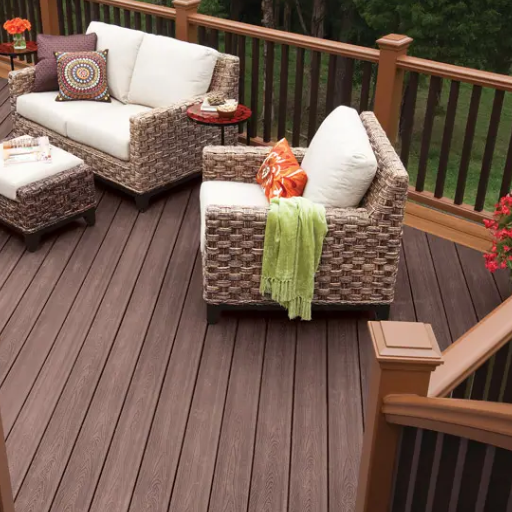
Impact of Climate on Decking Choices
The best decking material for your outdoor space needs to be determined through evaluation of climate conditions. Composite decking becomes the preferred choice for areas that experience high humidity and regular rainfall because it protects against moisture and mold and rot damage. Natural wood demonstrates adequate performance in dry climates when it receives appropriate treatment and maintenance for ultraviolet radiation and temperature changes. The decking materials show different responses to extreme cold because composite boards exhibit reduced cracking and warping while cedar and redwood natural wood types maintain their strength in cold weather. The assessment of your local climate requires you to study temperature and precipitation and sun exposure patterns because it helps you select materials that will last long and need easy upkeep. Homeowners can create a deck design that brings together aesthetic appeal and practical use and enduring strength through the combination of these factors.
Composite Decking in Various Weather Conditions
Composite decking has proven to be a strong and easy-to-care-for choice which performs well in different weather conditions since its introduction. The moisture-resistant properties of composite materials make them suitable for areas which experience heavy rainfall and high humidity because they cannot be damaged by water. The system protects against warping and rotting and mold growth to achieve extended durability which needs minimal maintenance activities. Composite decking maintains its original color and structural strength when exposed to direct sunlight for extended periods, which makes it ideal for locations that experience high ultraviolet radiation. Composite decking maintains its functional performance in cold regions because it withstands the damage from freezing and thawing cycles which cause cracks and splinters. The combination of advanced materials with modern production methods enables composite decking to deliver both adaptable performance capabilities across diverse weather conditions.
Choosing Wood Types for Different Climates
The selection of proper wood materials for outdoor decking and furniture needs to be conducted because it determines how well these products will function and last throughout different weather conditions. The humid and tropical climate conditions make teak and cedar and ipe wood species the best choice because these woods naturally resist decay and moisture damage. The dry and arid climate conditions of these regions enable mahogany and eucalyptus hardwoods to maintain their shape because these woods resist deformation during extreme temperature conditions. Redwood and Douglas fir trees demonstrate excellent performance in cold weather conditions because these wood species maintain their structural strength and resistance to freezing temperatures. The unique traits of each wood species require proper treatment through specific protective finishes which enhance their weather durability.
Exploring Composite Decking Options
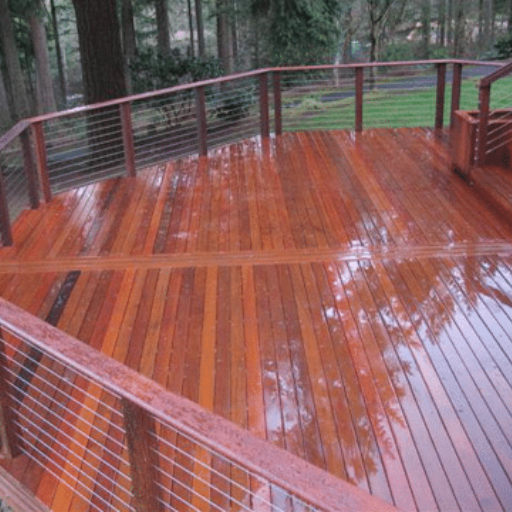
Benefits of Composite Deck Boards
The growing popularity of composite deck boards stems from their long-lasting performance and their need for minimal upkeep and their sustainable manufacturing materials. The composite boards provide extended durability because they protect against wood deterioration from rot and mold and insect attacks which require less maintenance than traditional wood materials. The materials can endure extreme weather conditions which include heavy moisture and direct sunlight while maintaining their original condition without any visible damage. The composition of composite decking materials consists of recycled content which includes reclaimed wood fibers and plastics to create an environmentally friendly option for homeowners who prioritize sustainability. The boards come in multiple color and texture options which enable users to create their desired design appearance. Composite deck boards provide an innovative and practical decking solution which combines durability and functional design and contemporary appearance.
Leading Brands of Composite Decking
The composite decking industry contains multiple innovative brands which focus on producing high-quality products that maintain durability and protect the environment. The most recognized brands are Trex TimberTech and Fiberon. Trex produces high-performance boards which contain 95% recycled materials and provide customers with multiple design options that maintain their color throughout time. TimberTech develops high-end composite decking products which use cutting-edge technology to maintain their original color for extended periods while requiring little upkeep. Fiberon demonstrates its commitment to sustainability through its budget-friendly products which offer customers both long-lasting durability and attractive design options. The brands offer distinct product characteristics together with different warranty options which enable homeowners to select the best solution that fulfills their individual requirements.
Comparing PVC Decking to Composite Solutions
PVC decking and composite decking both offer durable, low-maintenance options which serve as substitutes for traditional wood material because their material makeup and performance characteristics show distinct differences. The complete synthetic makeup of PVC decking which consists of polyvinyl chloride enables the material to withstand water damage and mold growth and insect attacks. The material from which this product is made creates a lightweight product which resists stains effectively while providing suitability for locations exposed to water such as poolside areas. PVC decking includes advanced UV protection elements which help maintain its original color throughout time by reducing fade rates. Composite decking results from the combination of wood fibers and synthetic materials which produce a material that resembles natural wood. The weight of composite decking exceeds PVC material but the product remains highly durable and displays superior resistance against scratches and wear. The product serves as an environmentally friendly solution because most composite boards contain materials that have been recycled. Although composite materials require less maintenance than other options they become more susceptible to moisture problems during severe weather conditions when compared to PVC materials. Homeowners have the ability to design their outdoor areas because both options provide multiple color and texture and finish options which allow them to choose between different visual styles and performance qualities and spending limits.
Wood Deck Types and Their Characteristics
Hardwood vs. Softwood Decking
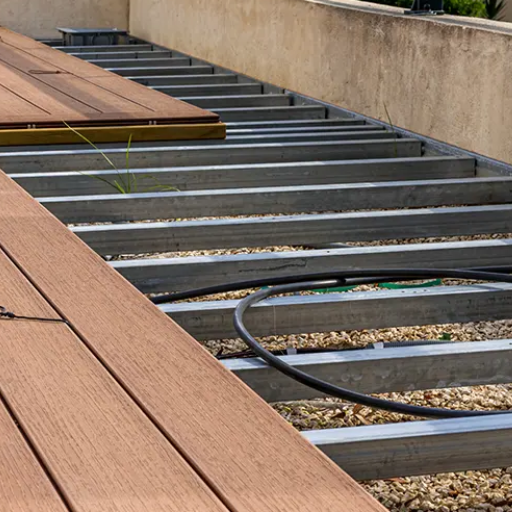
I discover that hardwood and softwood decking options each provide different benefits which depend on your specific requirements. The hardwood decking materials which include ipe and teak and mahogany deliver outstanding durability through their resistance against both physical damage and decay and insect damage. The dense hardwoods maintain their usable lifespan through decades because people maintain them properly. Hardwood exhibits luxurious visual appeal because it displays deep natural hues and exceptional grain designs. The advantages of hardwood materials come at a high expense because their installation process requires extensive work while their maintenance needs daily oiling and sealing to maintain their aesthetic appeal. Homeowners who need to save money should consider softwood decking because it includes pine and cedar as their most affordable option. The lighter weight of softwood materials simplifies installation work because most of these materials come with pressure-treated protection which improves their resistance against decay. Softwood requires additional maintenance through staining or sealing to achieve its extended lifespan which enables it to maintain its visual appeal for several more years. Softwood provides outdoor spaces with a rustic appearance which complements different landscaping styles because it creates a warm atmosphere.
Cedar and Pressure-Treated Wood Explained
Outdoor projects use two popular materials which provide different benefits. People value cedar because it has beautiful appearance and attractive wood patterns and natural ability to resist decay and insect damage. The material has a low weight which enables easy handling and The material develops a silver-colored patina after extended time without protective treatment. Cedar wood has natural oils and tannins which make the wood more durable without requiring chemical products, which makes it an eco-friendly solution that needs minimal upkeep. People choose pressure-treated wood because it offers both low cost and high durability, which comes from the application of protective chemicals that stop wood from decaying and fungi growth and insect infestations. Better treatment methods now provide safer and longer lasting results, which manufacturers use to produce products in multiple dimensions and performance standards. The product functions best in regions with high humidity because it needs extra moisture protection. The need for exterior protection through sealing and staining treatment makes pressure-treated wood maintenance necessary, yet its low cost combined with high durability makes the material suitable for building decking and fencing and structural elements. The two materials offer outdoor design solutions which combine functional value with visual appeal, while users choose between them based on their individual needs and environmental factors.
Choosing the Right Wood for Your Backyard Deck
The selection of suitable wood for your backyard deck requires assessment of its four main factors which include its durability and maintenance needs and its financial costs and environmental effects. The natural beauty and decay resistance of cedar and redwood make them ideal choices for deck construction because they need less maintenance work. The materials are more expensive than other options but they offer superior performance. Homeowners who want to save money will choose pressure-treated wood because it provides an affordable solution which lasts. The material maintains its strength while warding off both insect damage and rot but needs periodic staining and sealing to maintain its visual appeal. Homeowners now prefer composite decking because it requires little upkeep and its manufacturing process follows sustainable practices. The product combines recycled wood fibers and plastics to create a material which resembles wood but does not experience splintering or warping problems. Although composite materials require a higher initial investment, their financial benefits over time provide a wise investment choice. The ideal option for you will depend on your particular needs and your available funds and your design preferences and the weather conditions at your deck location. The process of evaluating these elements will help you design a backyard deck which remains useful and attractive throughout multiple years.
Factors to Consider When Selecting Decking Materials
Durability and Maintenance Requirements
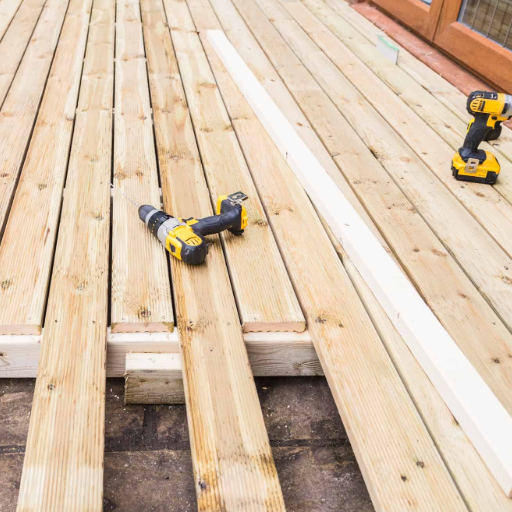
The selection process for decking materials demands an assessment of both their durability and their maintenance needs. The design of composite decking establishes it as a highly durable solution which requires only basic maintenance because it withstands rot and warping and insect destruction. Composite materials maintain their visual appearance and structural strength without requiring wood treatments such as sealing or staining or painting which need to be done regularly. Natural wood decking materials like cedar and redwood require frequent maintenance treatments which protect the wood from moisture damage and sun exposure and pest attacks. The climate conditions determine material durability because materials that can handle both temperature and humidity changes demonstrate better performance. The understanding of these factors enables you to select deck materials which match your personal way of life and the environmental conditions that will affect your deck.
Cost Considerations for Deck Material Options
The evaluation process for deck material expenses requires assessment of both the initial costs and the expenses needed for ongoing upkeep. Pressure-treated wood remains one of the most budget-friendly options upfront, offering widespread availability and affordability. The product requires regular maintenance to prevent decay which creates an additional expense that exceeds its initial affordable price. The initial higher cost of composite decking brings better value throughout its lifespan because it needs minimal upkeep and protects against pest damage while maintaining its original shape. The premium options which include Ipe hardwood and aluminum decking require higher financial investment yet they provide exceptional product durability together with a high-end design. The installation expenses depend on both the architectural complexity and the selected materials, which makes it essential to assess labor costs together with material expenses for accurate budget evaluation. You need to compare the initial costs with the future savings and product lifespan to make a decision that matches your financial resources and daily needs.
Style and Aesthetic Appeal of Deck Boards
The visual aesthetics of your outdoor space receive substantial improvement through a well-executed deck which functions as both a practical element and a decorative design feature. The market offers deck boards which include multiple color options and different texture choices and various finishing styles to meet different design needs. The selection of materials provides unlimited possibilities which include natural wood tones that create a cozy atmosphere and contemporary composite materials that feature modern design elements. The latest composite board designs use wood-like appearances to create an authentic appearance while providing better protection against color loss and surface damage, allowing for extended beauty with less upkeep. Contemporary design trends feature wider planks to create modern looks and multi-tonal colors which provide depth and character to spaces. Your outdoor space achieves visual unity through deck board selection which matches your home architecture and the natural elements of your environment.
Reference Sources
Moisture Performance and Durability of Wooden Façades and Decking During Six Years of Outdoor Exposure
Source: sciencedirect
Link: https://www.sciencedirect.com/science/article/abs/pii/S2352710217301614
Relevance: This research evaluates the durability and moisture resistance of various wood species used in decking over extended outdoor exposure.
Positioning and Market Analysis of the US Decking Materials Market: A Perceptual Mapping Approach
Source: digital.lib.washington.edu
Link: https://digital.lib.washington.edu/researchworks/items/945d68aa-acd6-44eb-aa52-0bd81e2ed012/full
Relevance: A market analysis focusing on the positioning and consumer preferences for decking materials in the US.
Consumer Perceptions of Decking Material
Source: ScholarsArchive@OSU
Link:https://ir.library.oregonstate.edu/concern/graduate_thesis_or_dissertations/3b591c396
Relevance: This study examines consumer perceptions and preferences for different decking materials, with a focus on wood.
Frequently Asked Questions (FAQs)
What decking material will work best in my outdoor area?
The selection of suitable decking materials requires assessment of your budgetary constraints and maintenance requirements and aesthetic preferences. Hardwood decking options such as ipe and cedar and redwood provide authentic wood grain appearance for customers who desire natural wood appearance but require premium products which need regular maintenance through staining and sealing. Homeowners who seek durable outdoor surfaces with minimal maintenance requirements find composite decking to be an ideal solution because it combines wood fibers with recycled materials to create a popular decking product. Homeowners who want synthetic decks will find PVC deck boards and synthetic decking material to be extremely durable because these products contain no wood. The process of choosing suitable decking material for a patio or deck area or new deck construction requires assessment of composite costs and maintenance needs and available design options.
Cedar deck: are cedar and redwood still a good choice?
The natural wood aesthetic and attractive wood grain of cedar and redwood make them a classic wood option because they resist insect damage without needing substantial chemical pest control. The wood needs regular applications of protective sealants or stains in order to keep its original appearance while also preventing damage from rot and wet weather conditions. Pressure treated lumber serves as an economical decking option which competes with cedar yet customers prefer cedar because it weighs less and has different visual characteristics. Composite and pvc decking offer low-maintenance options but cedar deck boards provide an authentic appearance and texture whichof natural wood, which enablesthose who build decks to experience real wood through their construction. The process of deck refinishing becomes necessary as time passes, while the upkeep requirements and cost estimation for each material will determine their respective advantages and disadvantages.
Are composite board and uncapped composite good long-term choices?
The two materials present benefits because composite decking provides strong resistance against rot and needs less upkeep than wood while uncapped composites deliver lower costs for customers despite their tendency to fade and develop stains. Composite decking contains wood fibers and recycled plastic material, which creates a product that resembles wood but protects against the problems of real wood such as rotting and insect destruction. The cost of composite can be higher than pressure treated options initially yet composite decking offers lower lifetime maintenance costs because it doesn’t require regular sealing or staining. Homeowners who need to choose between composite and pvc materials should know that composite materials deliver a wood appearance with durable stylish options while pvc materials need minimal maintenance because they contain no wood content. The design you want, maintenance requirements, and warranty offerings for your new deck all need to be assessed.
Is pressure treated lumber still the best budget-friendly decking option?
Pressure treated lumber (pt wood) serves as the most affordable decking option because it remains common throughout the market and costs less than most hardwood and composite decking materials. Pressure treated wood provides better protection against decay compared to untreated wood although the material needs stain and seal treatments because wood needs protection against moisture and UV light. When building a deck on a tight budget, pressure treated wood or pressure treated lumber can be a practical building material, but be aware that decking doesn’t last as long as some premium options and may warp or show rot if not properly maintained. For homeowners searching for easy-to-care-for decking options, composite and pvc boards provide an initial higher cost but their appearance requires less maintenance throughout their lifespan. The initial expense of decking material needs to be compared with the future maintenance costs and expected lifespan of the material.
Which type of decking material should I select between PVC deck boards and composite or PVC decking products?
The two segments of the market which PVC boards and composite decking serve both require different materials because their construction methods differ. PVC products use 100 percent plastic materials without any wood content which results in their complete protection against water damage and product deterioration and surface discoloration. Composite materials combine plastic with wood fiber elements to create a product which visually resembles wood. The decision between PVC and composite decking material depends on your preference for wood appearance or your need for minimal upkeep. The natural wood appearance of composite materials provides better results than PVC deck boards because they both display wood grain patterns. The decking market offers two types of composite products which include uncapped and capped composite options. The capped composite products provide superior protection against color fading and surface staining while their price exceeds that of other composite materials. The homeowner who seeks maximum durability through low maintenance needs should choose PVC decking products. The homeowner who desires authentic wood appearance should select between composite materials and real wood options which include ipe wood.
Do Ipe wood and hardwood decking materials provide sufficient value to justify their higher costs?
Ipe wood and other hardwood decking materials are premium options which people choose because they have high density and exceptional durability and their wood grain patterns create an authentic natural wood appearance. The expensive hardwood decking materials provide long-lasting performance because they resist rot through their natural properties and they endure for extended periods when users apply appropriate maintenance procedures which include sealing and occasional staining. The initial expense and professional installation requirement create disadvantages for each material, yet the visual appeal and extended lifespan of the materials make them suitable for homeowners who want to construct their ultimate deck. When budget-friendly decking options need to be prioritized, pressure treated wood and composite materials become better choices, but ipe and other hardwoods remain top outdoor decking options for new deck constructions which require premium building materials. The process of selecting proper decking materials requires you to choose between two options which involve comparing composite decking costs with premium hardwoods while deciding between wood and synthetic materials for your outdoor area.
Categories:
Blog
Related Articles