Composite Decking vs Wood Decking: Which Is the Better Investment for 2026?
Composite decking generally lasts longer and costs less to maintain than wood decking, but it costs more upfront and cannot be sanded or refinished. Wood decking offers a lower initial price and a natural appearance, yet it requires regular staining, sealing, and repairs that add up over time. For buyers, contractors, and distributors, the right choice depends on budget, project timeline, climate, and whether you are sourcing materials locally or importing from China.
Most people begin by comparing price per square foot. That comparison favors wood. However, the real financial picture only becomes clear when you look at maintenance, repairs, replacement, and resale value over 10 to 20 years. We have seen contractors lose bids by quoting only material costs, then win repeat business after showing clients the full lifecycle numbers.
In this guide, we compare composite decking vs wood decking across cost, maintenance, lifespan, durability, appearance, climate performance, repairability, and sustainability. We also include China FOB pricing for composite/WPC decking so B2B buyers can evaluate landed costs against domestic wood options.
Key Takeaways
- Composite decking typically lasts 25-30+ years; pressure-treated wood usually lasts 10-15 years.
- Installed costs run roughly $30-$60/sq ft for composite and $25-$43/sq ft for wood, but annual maintenance for wood can be $450-$850 vs $5-$15 for composite.
- Over 20 years, total cost of ownership often converges or favors composite, especially in harsh climates or for commercial projects.
- China FOB composite/WPC decking ranges from $9-$22/m², offering B2B buyers significant savings over domestic retail pricing.
- Choose wood for lower upfront cost and natural aesthetics; choose composite for low maintenance, long-term value, and wet or high-traffic environments.
What Is Composite Decking?
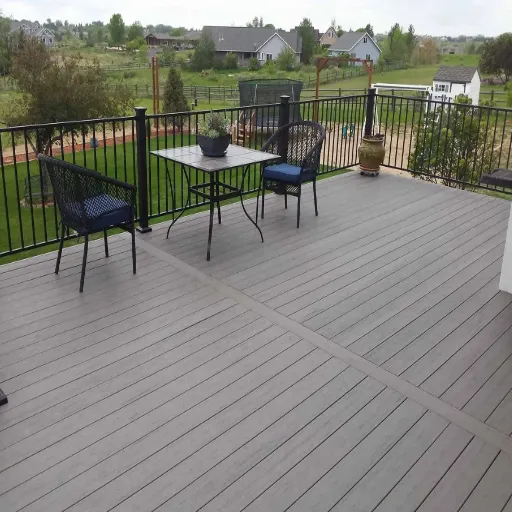
Composite decking is an engineered outdoor flooring material made from a blend of wood fibers or flour, thermoplastic polymers, and additives. The most common plastics are HDPE, polypropylene, and PVC. Additives include UV stabilizers, colorants, coupling agents, and sometimes anti-fungal or fire-retardant compounds.
There are two main generations:
- First-generation (uncapped) composite: The wood-plastic core is exposed. It is more affordable but more vulnerable to moisture, staining, and fading.
- Second-generation (capped or co-extruded) composite: A protective polymer shell surrounds the core, improving resistance to UV, moisture, scratches, and mold.
Composite boards also come in solid and hollow profiles. Solid boards are heavier and stronger, making them better for commercial use. Hollow boards are lighter and less expensive, suited for residential patios and balconies.
Composite decking is sometimes called WPC decking, short for wood-plastic composite. The terms overlap, although “composite decking” can also include capped composites and PVC-based products. Our complete WPC decking buyer’s guide explains the differences in detail.
What Is Wood Decking?
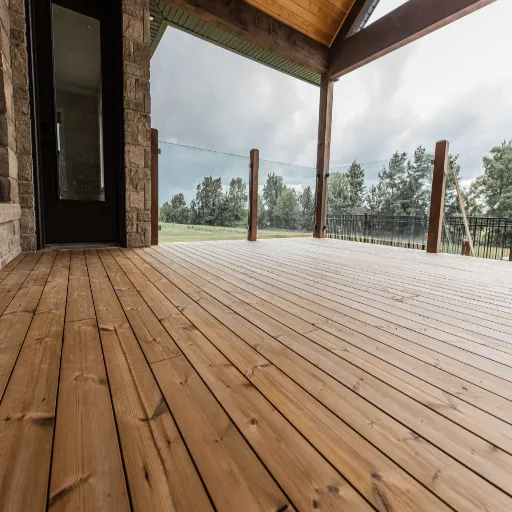
Wood decking is made from natural lumber. The most common options are:
- Pressure-treated pine: The most affordable wood decking. It is chemically treated to resist rot and insects, but it still requires regular sealing and staining.
- Cedar and redwood: Naturally resistant to rot and insects. They cost more than pressure-treated pine and still need maintenance to prevent graying and cracking.
- Tropical hardwoods: Ipe, teak, cumaru, and similar species are extremely dense and durable. They cost the most and can last 20-30 years with care, but they require periodic oiling and refinishing.
Wood decking offers authentic grain variation, can be stained or painted, and feels cooler underfoot than composite in direct sun. However, it is vulnerable to moisture, insects, warping, splintering, and UV damage without consistent upkeep.
Composite Decking vs Wood Decking: Side-by-Side Comparison
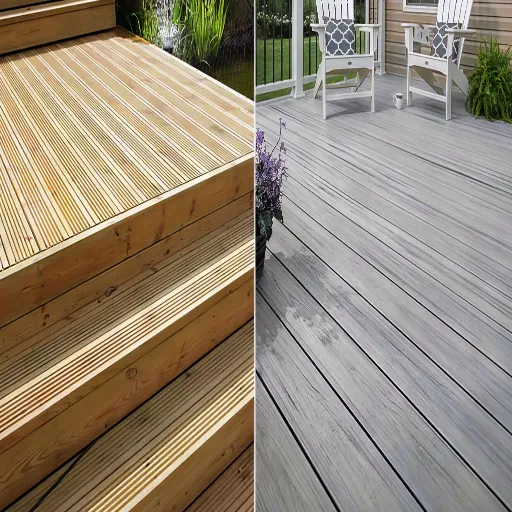
The table below summarizes how the two materials compare across the factors that matter most for residential, commercial, and B2B buyers.
| Factor | Composite Decking | Wood Decking |
|---|---|---|
| Material | Wood fibers + plastic + additives | Natural lumber (pine, cedar, redwood, hardwood) |
| Upfront material cost | $9-$16/sq ft | $3−$8/sq ft (pressure-treated) |
| Installed cost | $30−$60/sq ft | $25−$43/sq ft |
| Annual maintenance | $5−$15 | $450−$850 |
| Lifespan | 25-30+ years | 10-15 years (pressure-treated) |
| Rot and insect resistance | Excellent | Poor without treatment |
| Moisture resistance | High, especially capped | Low without sealing |
| Heat retention | Higher, especially dark colors | Lower |
| Repairability | Difficult; boards are usually replaced | Easy; can be sanded, stained, patched |
| Appearance | Consistent, manufactured grain | Natural, variable grain |
| Color options | Many colors and textures | Can be stained or painted |
| Sustainability | Often uses recycled content | Natural, but requires tree harvesting and chemical treatments |
| Best for | Low-maintenance, long-term projects | Budget-focused or natural aesthetic projects |
This table answers the most common comparison questions at a glance. The sections below explain the numbers and trade-offs in more detail.
Cost Analysis: Composite Decking vs Wood Decking Over 20 Years
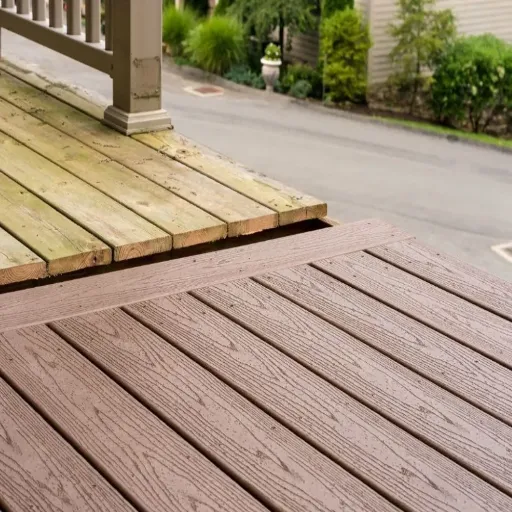
Upfront cost is where wood decking wins. A 300 sq ft pressure-treated wood deck might cost $7,500-$12,900 installed, while a composite deck of the same size might cost $9,000-$18,000 installed.
But maintenance changes the math. Pressure-treated wood typically needs staining or sealing every 2-3 years. Over 20 years, a homeowner can spend $9,000-$17,000 on maintenance and repairs. Composite decking needs only occasional cleaning, with 20-year maintenance costs often below $300.
20-Year Total Cost Example: 300 Sq Ft Residential Deck
| Cost Category | Pressure-Treated Wood | Composite Decking |
|---|---|---|
| Initial build | $7,500-$12,900 | $9,000-$18,000 |
| Staining/sealing (20 years) | $3,000−$7,500 | $0 |
| Repairs/board replacement | $2,000−$5,000 | $500−$1,500 |
| Cleaning supplies | $200−$400 | $100−$200 |
| 20-year total | $12,700−$25,800 | $9,600−$19,700 |
These figures vary by climate, labor rates, and whether maintenance is DIY or hired out. In harsh climates with heavy rain, snow, or sun, wood maintenance costs tend toward the high end. In mild, dry climates, wood can last longer with less spending.
Mini-story: A contractor in Massachusetts quoted a homeowner $14,000 for a pressure-treated deck and $19,000 for composite. The homeowner chose wood to save $5,000. After eight years, staining, sealing, and replacing warped boards had cost another $6,200. When the homeowner sold the house, the deck showed wear and did not stand out to buyers. The contractor later used this example to show that composite often costs less over a decade, even when it costs more on day one.
B2B and Import Pricing
For distributors, developers, and contractors buying at scale, China FOB pricing for WPC/composite decking changes the comparison again:
- Hollow WPC decking: $9-$13/m² FOB China
- Solid WPC decking: $13-$18/m² FOB China
- Capped/co-extruded WPC decking: $16-$22/m² FOB China
After freight, duties, VAT, inland delivery, and inspection, landed costs in Europe or North America are often 25-40% below domestic retail composite prices. For large projects, this can make composite decking competitive with or cheaper than domestic pressure-treated wood at the material level, before installation.
For a detailed breakdown, see our WPC decking cost guide.
Maintenance Requirements Compared
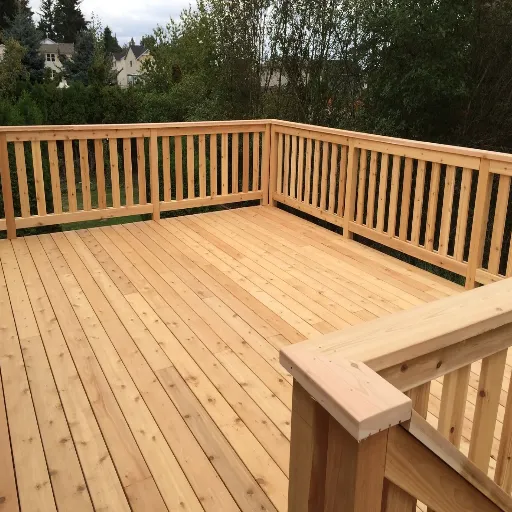
Wood Decking Maintenance
Wood decking requires consistent care to maintain appearance and structural integrity. Typical maintenance includes:
- Annual inspection for rot, splinters, and loose fasteners
- Power washing and light sanding every 1-2 years
- Staining or sealing every 2-3 years
- Board replacement as needed due to warping, cracking, or rot
Skipping maintenance shortens lifespan and can create safety hazards. A neglected pressure-treated deck can show significant wear within 5-7 years.
Composite Decking Maintenance
Composite decking is marketed as low-maintenance, and for most products, that is accurate. Routine care includes:
- Sweeping debris regularly
- Washing with soap and water two to three times per year
- Cleaning spills quickly to prevent staining
- Inspecting for damage after severe weather
Capped composite handles dirt, pollen, and mildew better than uncapped products. In shady or damp areas, surface mold can still form, but it usually cleans off with a composite-safe cleaner.
CTA: Need a material that holds up with minimal upkeep for a commercial project? Contact our team for composite decking options and bulk pricing.
Durability, Lifespan, and Climate Performance
Lifespan by Material
| Material | Typical Lifespan |
|---|---|
| Pressure-treated pine | 10-15 years |
| Cedar/redwood | 15-20 years |
| Tropical hardwood | 20-30 years |
| Standard composite | 20-25 years |
| Premium capped composite | 25-35+ years |
Warranty lengths often reflect these ranges. Composite warranties commonly run 25-50 years for residential use. Wood warranties are shorter and usually limited to structural treatment defects.
Climate Considerations
Wet and humid climates: Composite, especially capped composite, resists moisture, rot, and mold better than wood. Pressure-treated wood can still absorb water and warp if not sealed properly. For poolside or marine use, capped or waterproof WPC decking is usually the safer choice.
Buyers should also understand the limitations that come with composite materials. Our article on WPC decking disadvantages explains common problems such as heat retention, scratching, fading, and expansion, and how to avoid them.
Hot and sunny climates: Wood stays cooler underfoot than composite, especially dark-colored composite. Light colors and heat-reflective pigments reduce heat retention in composite boards.
Cold climates with freeze-thaw cycles: Both materials can work if installed correctly. Composite resists cracking from freeze-thaw better than wood, but it expands and contracts with temperature, so proper gaps are essential.
Coastal climates: Salt air and humidity challenge both materials. Capped composite performs well, while wood requires more frequent sealing and inspection.
Appearance, Design Flexibility, and Repairability
Appearance
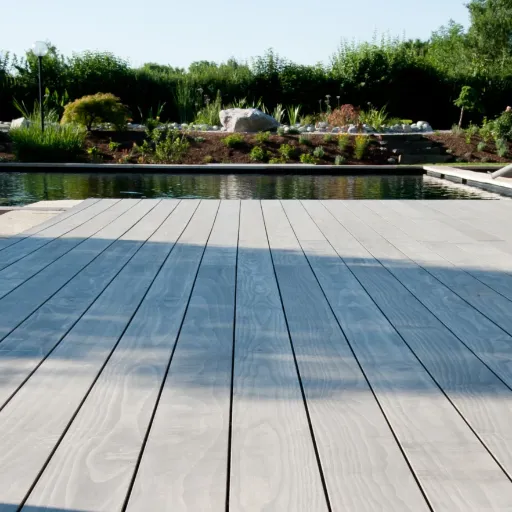
Wood offers natural grain variation, color richness, and the ability to change appearance with stain. No manufactured product fully replicates real timber.
Modern composite decking has improved significantly. Embossed and 3D wood-grain textures, multi-tonal colors, and brushed finishes can look convincing from a distance. Some manufacturers also offer custom colors for bulk orders, which helps distributors and developers match project requirements.
Design Flexibility
Both materials can be cut, routed, and fastened with standard tools. Composite works well with hidden fastener systems for a clean surface. Wood can be shaped more easily for custom details and can be painted or stained in almost any color.
Repairability
This is one of wood’s biggest practical advantages. A scratched or stained wood board can be sanded and refinished. A damaged composite board usually needs to be replaced, and color matching can be difficult if the product line has changed or faded.
For projects where heavy furniture, pets, or high traffic are expected, repairability is worth factoring into the decision.
Sustainability and Certifications
Composite Decking Sustainability
Many composite products use recycled wood fibers and recycled plastics. This reduces landfill waste and reduces demand for tropical hardwoods. Some products also carry FSC, ISO 14001, or GREENGUARD certifications.
However, a composite is not biodegradable. At the end of its life, recycling options are limited, and boards usually go to a landfill.
Wood Decking Sustainability
Wood is a natural, renewable resource when sourced responsibly. FSC-certified lumber ensures responsible forestry practices. Pressure-treated lumber, however, involves chemical treatments that raise environmental and disposal concerns.
Certifications to Verify
For commercial or import buyers, certifications matter. Common ones include:
- CE marking: Required for sales in the European Economic Area.
- ASTM D7032 / D7031: North American standards for structural and physical properties.
- FSC: Confirms responsible wood sourcing.
- ISO 9001: Quality management system certification.
Always request copies of test reports rather than trusting marketing claims.
When to Choose Composite Decking
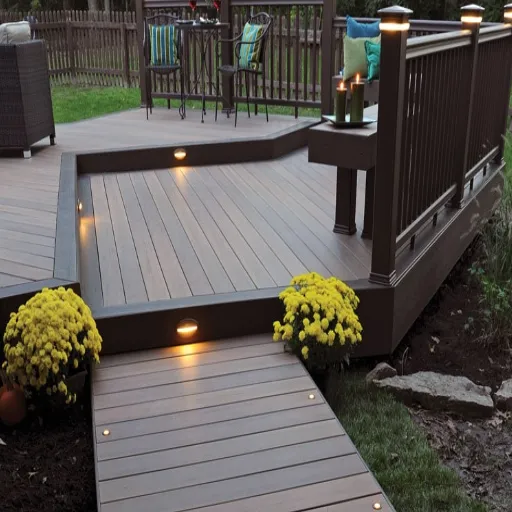
Composite decking is the better investment when:
- You plan to own the property for 10 years or more
- You want minimal maintenance
- The climate is wet, humid, or has freeze-thaw cycles
- The project is commercial or high-traffic
- You are buying at a container scale from China and can access factory-direct pricing
- You need consistent color and appearance across a large area
Mini-story: A resort developer in Southeast Asia initially installed tropical hardwood around a pool to match the luxury aesthetic. After three years of sun, rain, and chlorine exposure, the wood required extensive sanding and re-oiling. The developer switched to capped composite for the renovation. The new deck needed only soap-and-water cleaning and looked consistent after two monsoon seasons. The higher upfront cost was recovered through lower maintenance and fewer guest complaints.
When to Choose Wood Decking
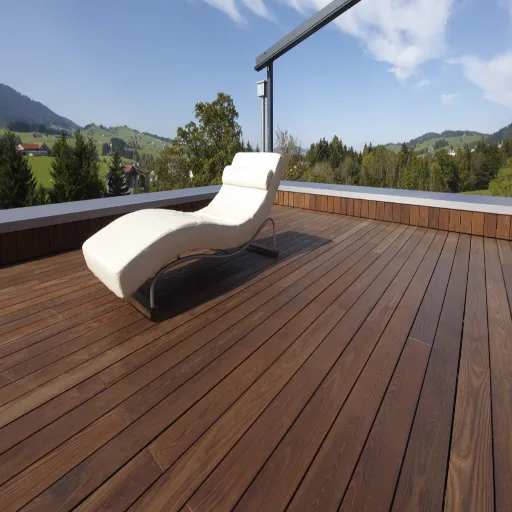
Wood decking is the better investment when:
- You need the lowest upfront material cost
- You prefer a natural look and feel
- You enjoy DIY staining and refinishing
- You plan to sell the property within 5 years
- The climate is dry and mild
- You value the ability to repair and refinish boards
Mini-story: A homeowner in the Pacific Northwest built a small backyard deck with cedar. She stained it herself every three years and replaced two warped boards over 12 years. The total cost stayed below composite because she did the maintenance herself, and she preferred the natural grayed look of weathered cedar. Her situation shows that wood can make sense when maintenance is manageable and aesthetics are the priority.
Resale Value and ROI
National cost-vs-value reports often show wood decks recouping a slightly higher percentage of their cost at resale than composite decks. Wood decks may return 68-83% of cost, while composite decks return 60-75%.
However, that percentage does not tell the whole story. A well-maintained composite deck can be a selling feature because buyers know they will not need to stain or replace boards soon. In markets where low-maintenance outdoor space is in demand, composite can help a home sell faster or at a stronger price.
For B2B buyers and developers, ROI depends on total project cost, maintenance budget, and tenant or guest satisfaction over the asset’s life. Composite often wins in total lifecycle cost for commercial properties.
FAQ
Which lasts longer, composite or wood decking?
Composite decking typically lasts 25-30+ years, while pressure-treated wood lasts 10-15 years. Cedar and redwood can reach 15-20 years, and tropical hardwoods can last 20-30 years with diligent care.
Is composite decking more expensive than wood?
Yes, upfront. Composite material costs $9-$16/sq ft compared to $3-$8/sq ft for pressure-treated wood. Over 20 years, however, the gap narrows or reverses because the composite requires far less maintenance.
Is composite decking hotter than wood?
Yes, composite tends to retain more heat than wood, especially dark colors. Light-colored boards and heat-reflective pigments reduce this issue.
Can composite decking be repaired or refinished?
Not easily. Composite cannot be sanded or stained like wood. A damaged board usually needs to be replaced, which can make color matching difficult.
Is composite decking eco-friendly?
Many composite products use recycled wood and plastic, reducing landfill waste and deforestation. However, composite boards are not biodegradable and have limited recycling options at the end of life.
What is the ROI of a composite deck vs a wood deck?
Wood decks often show a higher percentage ROI at resale, roughly 68-83% vs 60-75% for composite. Composite can still add buyer appeal and reduce maintenance costs over time.
How much does maintenance cost per year for each?
Wood decking typically costs $450-$850 per year for cleaning, staining, sealing, and minor repairs. Composite decking usually costs $5-$15 per year for basic cleaning supplies.
Is composite decking worth it?
Composite decking is worth it for buyers who plan to keep the property for 10 years or more, live in wet or harsh climates, or want minimal maintenance. The higher upfront cost is usually recovered through lower staining, sealing, and repair expenses. It is less worth it for short-term owners or buyers who prefer natural wood aesthetics and are willing to maintain it.
What are the composite decking pros and cons vs wood?
Composite decking pros include long lifespan, low maintenance, moisture and insect resistance, consistent appearance, and strong performance in wet climates. Cons include higher upfront cost, heat retention in direct sun, inability to sand or refinish, and limited recycling options at the end of life. Wood decking pros include lower initial cost, natural grain, cooler surface temperatures, and easy repairability. Cons include regular maintenance, shorter lifespan, vulnerability to rot and insects, and higher long-term ownership cost.
Should B2B buyers import composite decking from China?
For large projects, importing WPC/composite decking from China can reduce material costs by 25-40% compared to domestic retail. Buyers should factor in freight, duties, VAT, inland delivery, inspection, and MOQ requirements.
Composite Decking vs Wood Decking: Final Verdict
Composite decking vs wood decking is not a one-size-fits-all decision. Wood wins on upfront cost and natural appearance. Composite wins on lifespan, maintenance, and long-term value. The best choice depends on your budget, how long you will keep the property, your climate, and whether you are buying for a single project or sourcing materials at scale.
For homeowners planning to stay 10+ years, composite usually pays for itself through lower maintenance. For contractors and distributors, China FOB composite pricing can make it competitive with or cheaper than domestic wood on a material basis. For buyers who prioritize natural aesthetics or need the lowest possible initial cost, wood remains a valid option.
Once you decide which material fits your project, use our How to Choose WPC Decking checklist to evaluate certifications, warranties, and manufacturer quality before you buy.
At Linyi Yuheng International Trading Co., Ltd., we help buyers compare materials honestly and source quality WPC/composite decking directly from manufacturers in China. If you are evaluating composite decking vs wood decking for an upcoming project, contact us today to request samples, compare pricing, or get a customized quote.
Categories:
Blog
Related Articles