The Ultimate Guide to WPC Outdoor Wall Panels (2026)
Outdoor design requires designers to find a way to combine three elements which are aesthetic appeal and material strength and environmental protection. The introduction of WPC outdoor wall panels provides a solution for this problem. The new panels serve as the preferred choice for homeowners and architects and designers who want to build outdoor areas with both style and long-lasting durability. The material WPC stands out because of its exceptional characteristics. The material WPC needs your project assessment because it provides benefits which your project needs. The complete guide presents all essential information which users require to understand WPC outdoor wall panels in 2026 including their advantages and design options and installation methods and current market trends. The guide provides solutions for your needs whether you want to improve your patio or develop your commercial area or learn about new design materials.
Understanding WPC Outdoor Wall Panels
What is WPC and Its Benefits
Wood Plastic Composite (WPC) exists as a new building material which makers produce by combining wood fibers with thermoplastic materials and using special additives to enhance its durability and functionality. The material functions as a sustainable option which combines natural wood and PVC with two different materials. The outdoor applications of WPC panels results from their exceptional capacity to withstand various weather conditions and all types of moisture and decay. The natural wood appearance of WPC products together with their extended lifespan and easy upkeep provide multiple benefits to users. WPC enables design flexibility through its various color options and texture choices and different finishing methods. WPC outdoor wall panels serve as the best option for contemporary building projects which aim to achieve practical performance and environmentally friendly design.
Types of WPC Outdoor Wall Panels
- Hollow WPC Panels: Hollow WPC panels exist as lightweight panels which architects create to use in locations which need lower structural weight. The product achieves economical pricing through its core construction yet maintains both strength and durability. The product emerges as a top choice because it efficiently uses materials throughout extensive installation projects.
- Solid WPC Panels: Solid WPC panels provide better protection against impacts which allows their use in areas with heavy foot traffic and extreme weather conditions. The product maintains its durability through its strong construction which requires only basic upkeep for a long time.
- 3D Textured WPC Panels: The panels display complex embossed designs which create three-dimensional visual effects that enhance the surface appearance. The product allows users to create their own designs which include natural wood grain patterns and distinctive artistic finishes for use in modern architectural designs.
- Co-extruded WPC Panels: Co-extruded panels feature a second layer of polymer coating which improves their protection against color fading and material stains and surface scratches. The advanced technology provides them with exceptional operational capabilities which enable prolonged performance under extreme environmental conditions.
- Fire-Retardant WPC Panels: Fire-retardant WPC panels use special materials which create WPC panels that enhance building safety. The building material fulfills strict fire safety regulations which make it suitable for projects that need visual protection and aesthetic design.
Architects and designers can choose the right WPC outdoor wall panel type for their projects because they understand the different panel types which exist in WPC outdoor wall panels. The process allows designers to create designs which achieve their required functional and aesthetic design needs.
Design Options for WPC Panels
Examining Slat Wall Design Options
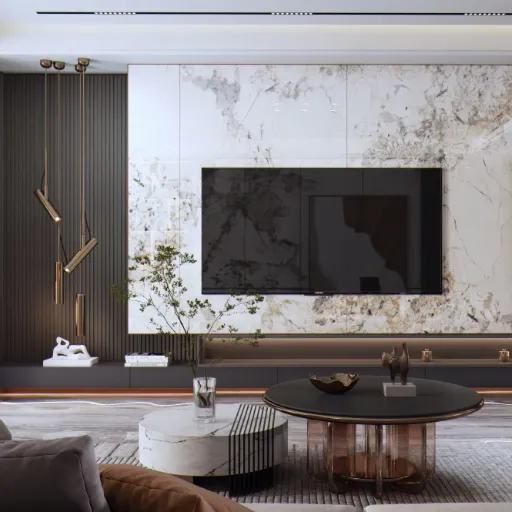
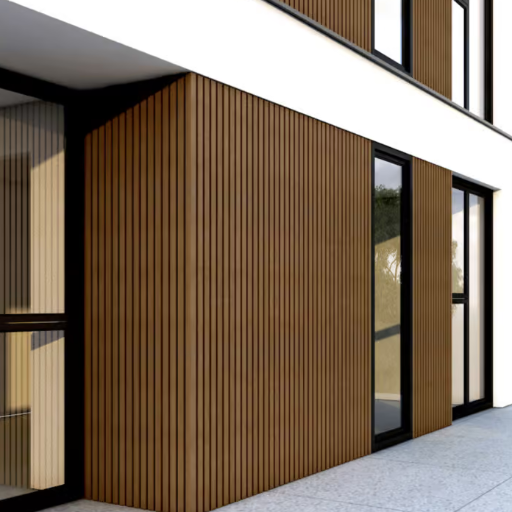
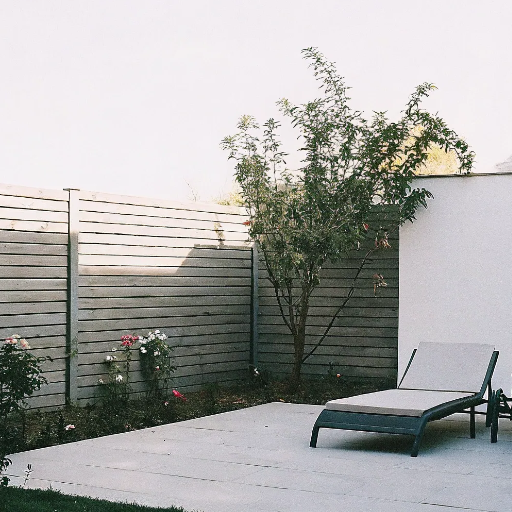
Slat wall designs provide an adaptable design solution which modern design elements that create suitable spaces for both home use and commercial use. The designs use vertical and horizontal slats which designers space evenly to create a straight design that combines aesthetic beauty with practical functions. Slat wall designs offer multiple finish options which allow designers to create openings that match either contemporary or traditional design styles. The natural characteristics of WPC materials which include weather resistance and low upkeep requirements create permanent aesthetic value for these panels. Slat wall designs help buildings to achieve better air movement while they also function as sound dampening elements which enhance user comfort and operational effectiveness in design environments.
Color and Texture Choices: The Walnut Effect
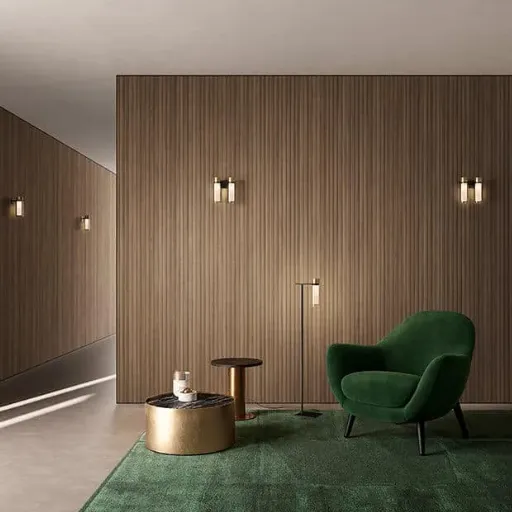
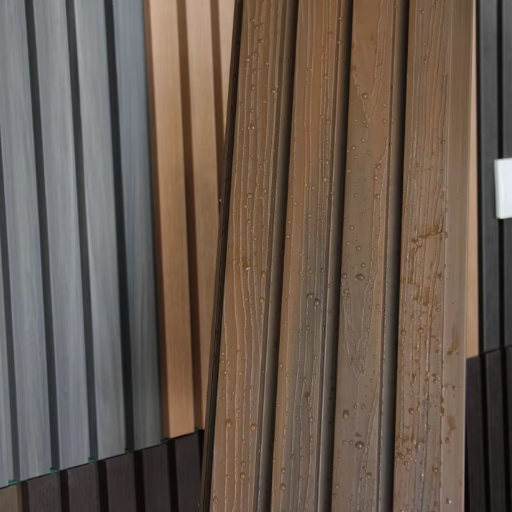
The walnut finish delivers everlasting beauty through its combination of deep natural colors and its natural texture which creates a cozy yet elegant appearance. The design choice works well in both home and business environments because it complements both neutral color schemes and bright color elements. The texture, which draws inspiration from the natural beauty of walnut wood, adds depth and character to interior walls and exterior façades. It enhances visual appeal while maintaining durability. The material provides an elegant appearance through its ability to replicate complex wood grain patterns. at the same time it offers easy upkeep and protection against outdoor elements which come from WPC materials. The walnut effect serves as the preferred choice because it successfully creates a traditional appearance which combines with modern design elements.
3D Wall Panels: A Modern Twist
3D wall panels have transformed interior design by providing contemporary solutions that generate three-dimensional textural effects which enhance the visual appeal of spaces. The panels use high-quality materials which include PVC and MDF and natural fibers to provide users with options that meet their needs for both strength and eco-friendly materials. The 3D wall panels create striking visual elements which enhance the interior design of residential spaces and commercial buildings and hospitality environments. The system provides multiple design options which include geometric shapes and natural patterns to enable users to create their desired visual style while maintaining simple installation procedures. The product collection includes lightweight panels which resist moisture and allow users to create their own custom looks, which makes the product suitable for modern design needs. The product offers an effective solution for people who want to create powerful fashion statements that maintain their sophisticated appearance because it enables complete space transformation.
Installation and Maintenance
Preparation for Installation
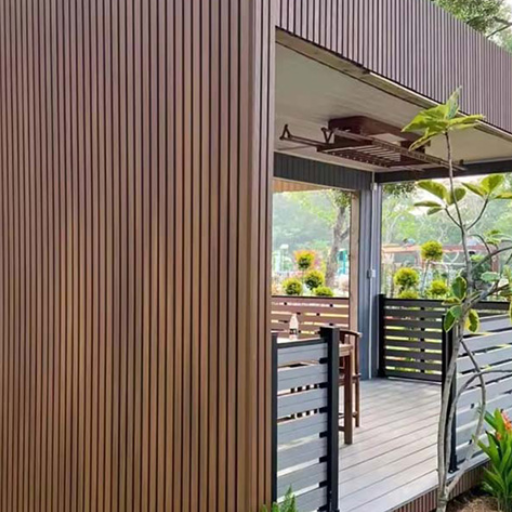
The installation process of WPC outdoor wall panels requires the assessment of surface conditions which should be free from contaminants and moisture while maintaining structural integrity. The installation area requires complete dirt and grease and debris removal so that both adhesion and alignment can function properly. The space needs to be measured correctly while the layout must be planned to include all necessary cuts and adjustments required for a seamless finish. The installer needs to complete the process without pausing by collecting all required tools and materials which include screws and adhesives and a level and cutting equipment. The panels need to spend 24 hours in the local climate conditions because their climatic adaptation needs this time period which prevents post-installation warping and misalignment. Proper preparation can significantly enhance the durability and appearance of the installed panels.
Step-by-Step Installation Guide
- Measure and Plan the Space: The first step requires you to measure the installation space which will receive the panel installation. The tape measure should be used to validate the actual measurements which should then be used to make wall or surface markings. The layout should be planned in advance because it creates precise measurements while showing which parts need to be changed when faced with obstacles like outlets or corners. The manufacturer documentation needs to be followed for proper expansion gap requirements which should be considered during your planning process.
- Prepare the Surface: Achieving proper surface preparation requires thorough execution. The wall or area needs complete cleaning to eliminate any dust or grease or debris which would obstruct panel adhesion. If the surface contains uneven parts, you should either sand down the surface or use a leveling compound to create a smooth surface. The wall needs total dryness before you can install some materials, which include wood and PVC panels, to stop future material warping.
- Cut Panels to Fit: To cut the panels into required dimensions, use a saw which matches the panel material specifications, for example, circular saws work with wood, while PVC requires utility knives. The cutting process should start only after you conduct a second measurement check. You need to use a template for your cuts when your installation requires cutting through complex angles.
- Attach the Panels: The installation process requires different mounting methods which depend on the specific panel type and the wall surface, including the usage of screws and nails, as well as adhesive materials. The adhesive installation process requires you to spread glue across the panel back, before you press the panel against the wall surface. The level tool should be used to verify that each panel maintains correct straightness and proper alignment. The fasteners need to be distributed at equal distances which will create both structural support and visual balance for your project.
- Finish with Trims and Sealants: The installation process requires you to install caps and moldings after the panel installation, which will hide the spaces between the two components while providing a polished presentation. The use of caulk or sealant should occur when there are any openings which need protection from moisture, especially in bathroom and kitchen areas, to secure better long-lasting results.
The installation process reaches a professional standard when all steps are followed because this method ensures both effective installation and professional results.
Maintenance Tips for Longevity
Your installation needs continuous maintenance work because it requires both durability and long-term attractive appearance. Start by cleaning the surface routinely to prevent dirt buildup, using a mild detergent and a soft cloth to avoid scratches or damage. The seams and edges need regular inspection to detect any signs of wear and gaps and the team should apply new caulk and sealant whenever necessary to maintain watertight protection in areas with high moisture risk. The surface should remain protected from both extreme heat and dangerous chemical substances because these elements lead to material deterioration and surface color loss. The proper method to deal with minor repairs is through immediate action which includes section replacement and fixture tightening because it stops small problems from developing into expensive issues. Your installation will maintain its operational efficiency and visual beauty through the upcoming years if you provide regular maintenance.
Performance Features of WPC Panels
Waterproofing Properties Explained
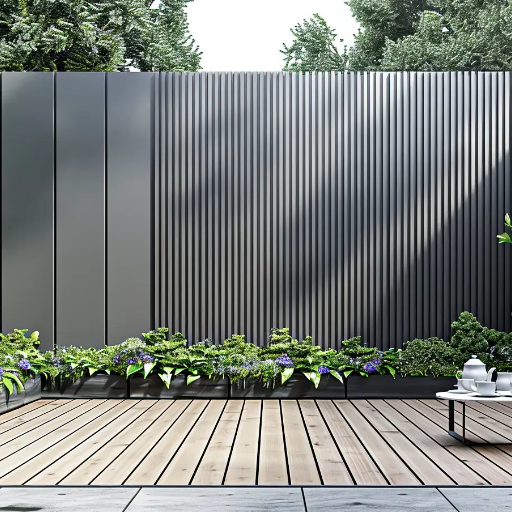
The WPC (Wood-Plastic Composite) panels display their most exceptional characteristic through their waterproofing abilities which make the panels withstand various conditions for different uses. The construction of WPC panels uses wood fibers together with plastic polymers which results in their fundamental ability to block water from entering the material. The WPC panels demonstrate their ability to resist water because they create a barrier that stops moisture from entering the material which protects the panels from developing warping and cracking and rotting damage throughout their lifespan. The material functions as a perfect solution for spaces which experience high humidity levels together with areas that receive direct water exposure including kitchens and bathrooms and outdoor cladding.
WPC panels achieve waterproofing which protects them from mold and mildew development that commonly affects surfaces exposed to moisture. The feature increases the product’s lifespan while it decreases the amount of required upkeep. The research findings demonstrate that the waterproofing abilities of these panels result from their manufacturing process which creates a sealed structure through material fusion under extreme heat and pressure conditions. The installation needs to proceed with proper techniques because any installation errors which create unsealed openings will reduce their ability to protect against water. WPC panels serve as a perfect material selection for individuals who want to achieve an attractive appearance together with long-lasting material strength. The product provides a visual experience which resembles natural wood but its design protects against all environmental challenges. WPC panels deliver an effective waterproof solution that works for both residential and commercial applications.
Soundproofing and Acoustic Benefits
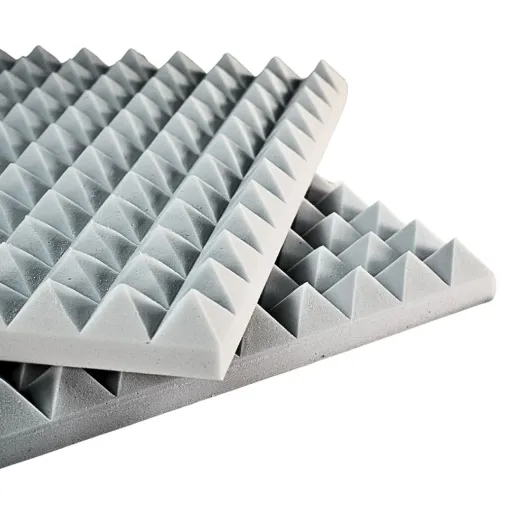
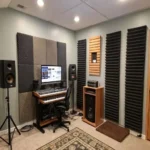
WPC panels provide three main advantages through their waterproofing properties and their soundproofing features and their ability to protect against water damage. The panels serve as an effective solution to control noise transmission which makes them suitable for spaces that need both privacy and sound control such as offices and recording studios and residential areas. Their dense structure and advanced manufacturing techniques help dampen sound vibrations which produces a noticeable reduction in noise levels to users. The WPC panels improve room acoustic quality through their ability to reduce echoes and sound reverberation which creates a better listening experience. Their design combines functional elements with aesthetic flexibility which makes them increasingly popular for use in modern and traditional interior design styles.
Durability Against Weather and Wear
WPC panels are designed to endure all weather conditions and normal operational use. The material composition of these products which combines thermoplastics with wood fibers provides them with protection against moisture and rot and pest damage ensuring their performance remains intact in outdoor environments. WPC material demonstrates superior durability for outdoor use because it does not develop cracks or warps or color fading when exposed to extended sunlight and heavy rainfall. The product delivers economical benefits to residential and commercial applications through its combination of easy upkeep and high-strength performance which demonstrates its value across multiple settings.
Applications of WPC Outdoor Wall Panels
Use in Residential Settings
From my personal viewpoint, WPC outdoor wall panels serve as a superior option for home use because they deliver both flexible applications and strong operational capabilities. The panels determine their suitability for the modern home design by establishing a sophisticated appearance which can endure all types of weather conditions. The WPC panels I installed around my patio area created an attractive appearance that required almost no maintenance work during the entire time I owned them. WPC panels maintained their original look and structural strength after being exposed to rain and intense sunlight because they differ from wood materials which require regular painting and sealing.
The eco-friendly feature of WPC panels serves as their second benefit. The production process combines recycled wood fibers with plastic materials which helps to decrease natural timber usage while supporting sustainable development. The practice supports the increasing demand for environmentally responsible methods of constructing residential buildings. Their ability to prevent termite infestations and stop moisture damage and fungal infections has proven extremely useful for me in areas that experience high humidity levels. WPC panels function as an all-purpose solution for contemporary home designs because they maintain an ideal combination of practical use and visual appeal through their applications in cladding and fencing and decorative wall construction.
Commercial Applications of WPC Panels
The commercial sector has started adopting WPC panels because these panels provide durability and require minimal maintenance while their design suits multiple uses. The materials find application in office environments and retail locations and hospitality spaces where design elements combine with operational needs. WPC panels provide architects with flexible design options that include both decorative partition walls and strong ceiling panel systems. The materials maintain their original condition through repeated use in busy areas while their natural texture reproduction creates a welcoming and refined atmosphere in business spaces. The sustainable construction requirements of major commercial projects match their environmentally friendly composition. The combination of these features makes WPC panels an ideal solution for various commercial uses.
Enhancing Outdoor Spaces with WPC
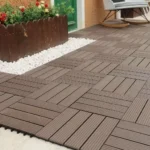
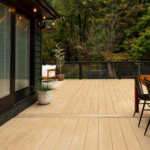
Wood-Plastic Composite (WPC) functions as an outstanding material which improves outdoor spaces because it provides high durability and requires minimal upkeep while delivering attractive visual characteristics. WPC boards and panels maintain their structural integrity against environmental conditions that include moisture and UV radiation and temperature changes which make them suitable for use in decking and fencing and cladding and pergolas. The materials maintain their original shape without developing splinters or distorted shapes which provides users with enduring safe and pleasant experiences. The collection of available colors and finishes and customizable designs enables the creation of outdoor spaces which function effectively while maintaining visual appeal. The production of WPC from recycled materials supports environmentally friendly landscaping practices which establish the material as a sustainable option for contemporary outdoor spaces.
Reference Sources
Eco‐Friendly Approach and Potential Biodegradable Polymer Matrix for WPC Composite Materials in Outdoor Application
Source: WILEY. online Library
Link: https://onlinelibrary.wiley.com/doi/abs/10.1155/2019/3894370
Relevance: Research on eco-friendly and biodegradable polymer matrices for WPC materials, emphasizing outdoor applications.
Wood Plastic Composites Based Wood Wall’s Structure and Thermal Insulation Performance
Source: ScienceDirect
Link: https://www.sciencedirect.com/science/article/pii/S2369969821000062
Relevance: This study examines the use of WPC in exterior wall panels, focusing on structure and thermal insulation.
Technologies of Production of Materials Based on WPC: A Short Review
Source: MDPI
Link: https://www.mdpi.com/2073-4360/17/8/1025
Relevance: A review of WPC production technologies, covering their use in construction, including exterior applications.
Frequently Asked Questions (FAQs)
What is a WPC outdoor wall panel and how does it differ from traditional wood cladding?
The WPC outdoor wall panel serves as an exterior wall panel and wall cladding solution because it uses wood plastic composite material which combines natural wood fibers with PVC or polymer binders. These panels serve as a durable outdoor solution because they offer weather resistance and need only basic maintenance to remain functional for extended periods. WPC wall panels often provide a realistic wood finish and warmth and texture which resemble natural wood but they do not suffer from the same risk of rot and insect destruction. The panels enable simple installation processes while providing designers with multiple aesthetic choices which include slat wall panel and 3d fluted profiles that can be used on walls and ceilings. The WPC material enables outdoor installation of panels which provide eco-friendly benefits and easy installation for both interior and exterior use, making it an ideal choice for residential and commercial applications.
Are WPC exterior wall panels suitable for outdoor applications and how do they handle UV exposure?
WPC exterior wall panels are specifically developed for outdoor use because they protect against all weather conditions which include sunlight and rainfall and temperature fluctuations. Many panels use UV stabilization technology to maintain the wood veneer appearance and color of their surfaces while minimizing fading throughout their lifespan. The panels need minimal upkeep because they require only periodic cleaning without needing any protective treatments or paint applications. The composite material structure of the panels enables them to withstand warping which allows designers to use them in horizontal and vertical orientations to achieve various design effects that include linear WPC exterior wall slats and slat siding and cladding panels. The materials serve as ideal options for exterior wall applications and siding and fence panel uses and accent wall installations because they combine strength with visual appeal.
Can WPC wall panels be used indoors and what options exist for interior design?
WPC wall panels function well for both indoor spaces and outdoor environments, while dedicated wall panels provide interior spaces with 3D wall paneling and wood slat wall paneling designs. The panels display wood-like warmth and charm, which people use to create interior accent walls and execute complete home design projects. Acoustic panels and acoustic wall panels options are available to improve sound control in residential and commercial settings while maintaining a wood finish. The panels offer multiple color options, which customers can use to create visual effects through flute design and art3d slat design that enhances wall and ceiling appearance. The installation process establishes a straightforward and efficient method, which builders use to create permanent upgrades for every home renovation project.
Is WPC slat siding and cladding panels good in heavy weather as compared to PVC or solid wood?
With regard to their ability to withstand the outside forces of nature, engineered to resist moisture, UV rays, and temperature swings, WPC slat exterior siding panels will outperform a great many PVC and solid wood options. WPC appears more like natural wood with realistic wood texture, rather than with the plasticky look of PVC, and yet still provides synthetic convenience. These Panels combine the best of both worlds, making them suitable for application in exterior siding panels and wall slat siding, that is, naturally wooden in look with composite sturdy. They last long and require minimal maintenance, an important feature to consider in a harsh-duty exterior application such as the installation of fence panels, exterior wall panels and outdoor living spacing. WPC exterior wall panels are required by high-end projects that desire elegance and timeless design; this will bring performance without compromise in aesthetics.
What are the preferred ways for installing WPC exterior wall slat siding and are they easy for DIY?
For typical cases, WPC exterior wall slat siding is set up using concealed clips or screw systems that enable horizontal or vertical arrangement of panels and seamless visual effects. Many of the WPC panels are usually designed for hassle-free installations and are easy to install with basic tools, making them accessible to skilled DIYers and commercial installers alike. Quick alignment and even spacing are assured with the slat specification paneling and WPC exterior wall slat profiles offering texture options like 3d fluted or flute for decorative impact indoors or outdoors. Proper substructure and ventilation are crucial for long-standing performance against adding moisture. With correct installation, the WPC panels are promising in minimizing maintenance while providing longevity in terms of residential and commercial projects.
What design styles can be achieved with WPC wall cladding, and are there variants for acoustics or decoratives?
WPC wall cladding provides versatile design styles offering options for a linear slat siding to 3D fluted panel, art3d slat or the feel like wood veneer finishes suited for modern, rustic or high-end interiors and exteriors. Acoustic wall panels and decorative variants are also available to add sound control while keeping wodolike slat looks for walls or ceilings. This allows for stunning accent walls, stone wall alternates, or subtle siding panels providing warmth and texture to both outdoor or indoor spaces. Panels come with numerous options of colors to be chosen and can be put horizontally or vertically, promoting creative wall and ceiling designs for both residential and commercial purposes. All in all, WPC panels offer that touch of elegance, durability, and functionality that meet the demands of many projects.
Categories:
Blog
Tags:
Technical & Durability
Related Articles