Wood Deck vs. WPC Decking: Composite Decking vs Traditional Wood
The choice of decking you make has a significant influence on the outdoor space you have produced in terms of looks, durability, and accommodation. The ongoing classic wooden versus trendy wood-plastic composite (WPC) decking debate is warm amongst not only homeowners, but builders, as well, who wish to build the best quality and reliability, or have their housing project sustain a premium. Every option has its unique advantages and disadvantages, making the decision more demanding but even more certainly a momentous one. This article tries to scrutinize the chief differences between wood decking and WPC decking to make it easy for you to weigh the two alternatives and choose the best one that might suit your outdoor needs. Whether your wish is to have an adorable thing in the exterior or a highly durable collection, we could, knowing all that we know, assist you in navigating your decision-making process.
Understanding WPC Decking
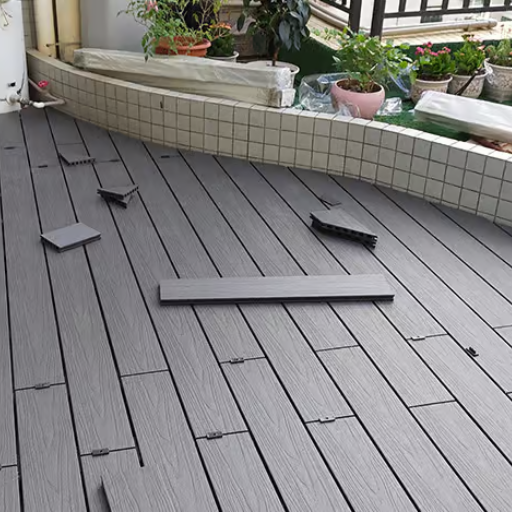
WPC decking, also known as wood-plastic composite decking, is another option for the customer, long-lived in its concept and needs minimal maintenance compared to traditional softwood or hardwood decks. As the name suggests, it is composed of wood fibers and plastic and thus proves itself immune to rot, warping, and pests. The WPC decking is also moisture-resistant and color-fast and can thus be used outdoors in diverse climates. The ultra-low maintenance requirement is inviting, not to mention the fact that there is no need to stain or seal one’s plastic-based decking; hence, it emphasizes WPC’s dual genius solutions: preserving the aesthetics of natural beauty and fulfilling special esoteric advances to withstand the ages- the top choice for homeowners wanting hassle-free, stunning open spaces that last long.
What is WPC Decking?
Key Features of WPC Decking:
- Durability: WPC decking is capable of enduring the most severe weather conditions, including the sun’s UV rays and very heavy rain, without losing its shape or color.
- Low Maintenance: WPC decking is not only more durable than traditional wood but also much less demanding in terms of maintenance. It requires no staining, sealing, or sanding at all. A very simple cleaning process using soap and water is all that is needed to keep it looking great.
- Eco-Friendliness: WPC decking, being a product made from 100% recycled materials, is an environmentally friendly alternative that offers a combination of benefits, such as lessening the impact of deforestation and plastic waste, among others.
- Slip Resistance: A number of WPC decking products come with surfaces that are resistant to slipping, thus making WPC decking suitable for pool areas and other places where wetness is common.
- Cost-Effectiveness: The upfront cost of WPC decking might be on the higher side compared to hardwood, but because of its long life span and low maintenance, it will result in lower total costs over the years.
Data and Performance Metrics:
Market research indicates demand for WPC decking to grow at a compound annual growth rate of 10.8 percent between 2023 and 2030 due to environmental advantages and low maintenance. WPC decking usually lasts 25-30 years, far longer than traditional wood decking, which typically lasts only 10-15 years. Which groundwater salinity and other factors can affect durability?
This merging of eco-beauty and state-of-the-art technology makes a WPC deck the ultimate modern choice for outdoor living.
Manufacturing Process of Wood-Plastic Composite
The wood-plastic composite-manufacturing idea includes combining either wood fibers or wood flour with thermoplastic materials like polyethylene (PE), polypropylene (PP), or polyvinyl chloride (PVC). Below are some main steps that are included in the procedure:
- Material Preparation: In the case of wood fibers, the wood fibers are dried, or the wood flour is dried, which helps eliminate moisture and makes them easier to process and intermingle more effectively. The same holds true for the recycled and virgin thermoplastics that are being considered for the mix.
- The Mixing and Compounding: Weight for weight, wood fibers are combined with thermoplastics and additives such as UV stabilizers, color pigments, and coupling agents; the main idea is to make use of coupling agents to facilitate greater compatibility and strong bonding between water-loving wood fiber and water-repelling polymer. The mixture is masterbatched evenly in a double-screw extruder.
- Extrusion or Molding: After perfecting mixing, the softened material is then passed into the extrusion above heating and conversion apparatuses, where it becomes hot and molten into a malleable state that can be squeezed out of the extrusion die into the final form of the product (profiles, decking boards, panels, etc.). After the mix is extruded, it is cooled in cool water to solidify.
- Cooling and Calibration: This is where, after extruding, the product is rendered cool. Preferably, by the use of water, within an adjustable range while working in the air, calibration is where, at a predetermined, adjustable width and thickness, the just-extruded WPC composite is molded. The calibrator emits a template to fit the sizing requirements at the calibration control. Upon satisfactory calibration, a solid, uniformly-thick bar is derived.
- Surface Treatment: Surface treatments such as texturing, sanding, and whatnot can indeed enhance the physical aspect of the WPC product. These treatments, in turn, alter the slip resistance and enhance the durability and aesthetics of the total WPC look.
- Cutting and Finishing: The cooled and shed WPCs are trimmed to the sizes and shapes demanded. The finishing steps, as spoilered earlier, will be trimming of the edges and protective coatings, among others,s to conform to the desired finished product requirements.
- Quality Inspection and Packaging: During the entire finishing process, the total process of quality checking is conducted on WPC products to eliminate any stress tests that are considered, eventually including color consistency and dimension verifications. Pass-marked products have nothing more to acknowledge, and they are put into packets and kept ready for sale.
The development speed in the WPC industry exhibits a sense of wonder based on the latest conditions in the market. There have been WPC advancements, such as new recyclables, old plastics (examples are mixed post-consumer plastics and textile waste, which may utilize some biodegradable polymers), and extra-sustainable resources of timber, as these have taken an accelerated pace. The application of automated and precision technologies is therefore a substantial help and exponentially improves productivity by eliminating considerable material wastage. It is a need of the hour, considering the new wave of requirements for sustainable building materials.
Benefits of WPC Decking
Wood-plastic Composite (WPC) decking is laden with several advantages, making it a preferred option for outdoor spaces for residential, commercial, and public areas alike. Here are a few primary benefits.
Durability and Longevity
Industrial WPC deckings are ideal for heavy loads set in high usage conditions. In addition to this, they are both UV-resistant and resistant to moisture. They are considered to be crack- and Splinter-resistant, exerting a longer existence lasting through low maintenance. These industrial WPC deckings are expected to have been there for up to twenty-five years, significantly outliving untreated wood.
Low Maintenance
Compared with natural wood decking, WPC decking will hardly need any maintenance. To sum this up, industrial WPC decking shall only need an occasional cleaning using plain water and soap, and no repeated staining and sealing or a complex series of treatments in particular. That means cleaning quickly and carefully, too, as only mild interventions instead of time and money-consuming treatments.
Eco-Friendly Composition
Materials Reuse: The repositories are most often an understanding for eco-frienliness with WPC decks; WPC is often a pad of reused plastic and wood fiber composition. And thus, this schism is a strategy wanting to reuse, with less virgin material being introduced into the atmosphere. It is also a good question to head over the facts that statistically, WPC manufacturing has meant to reuse up to 90% of the material, which holds some good promise for the consideration of environmental conservation.
Aesthetic Appeal
An array of colours, textures, and finishes graces WPC decking aspects, providing the edifice with a unique look. Notably, neither fades away nor stains that much. This means you can have any look you want without considering issues of compatibility between shape, dimensions, and situation.
Slip and Mold Resistance
The actual appearance of WPC decks being developed under certain settings also assists in continuously preventing accidental slipping in most humid conditions and is a good solution for pool areas, docks, and other wet areas. This is more or less a reason why WPC decks can provide an additional line of defense for surface mold growth issues, termites, and other manifestations with traditional lumber decking.
Cost Efficiency
Once initial costs are higher, WPC decking optimized for water drainage failure should be a better buy. The problem with the WPC decking field has been the performance loads and low maintenance costs, making it a cost-effective option over the long term. Informants recommending WPC for commercial purposes have claimed long-lasting benefits and say the price for decking maintenance might be cut in half.
Versatility and Easy Installation
The WPC decking system are advided to interlocking or with simple tools for installation. They can be drilled and nailed in the way, and their lightweight yet robust construction makes them versatile for building anything from exterior flooring to garden paths.
WPC decking is designed to be long-lived, eco-friendly, and pleasing to the eye.
Traditional Wood Decking
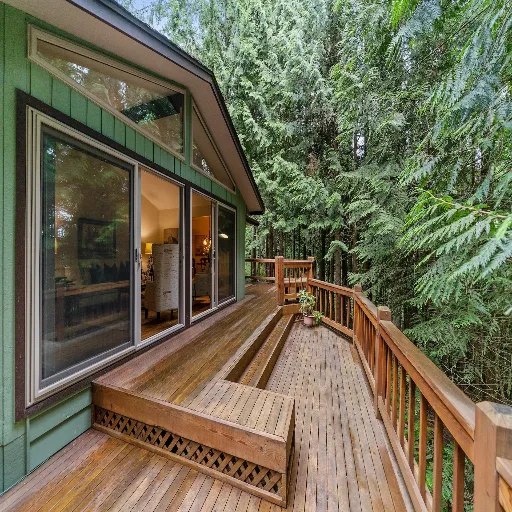
Among others, we can count the multifaceted natural and classic charm that wood provides for a piece of flooring overlooking the outdoors. It is this attribute itself that explains why this type of flooring decoration is known by experts to never truly go out of fashion. Essentially, wood in this environment can be obtained from different types, among them are the exotic tropical ones, such as teak, and the indigenous northern hardwoods like Western red cedar. The aesthetics and warmth that wood decking adds to a space can be extraordinary,y but seem to outweigh its maintenance requirements. Quite simply, all wood decks need more than just a few layers of seal and stain paint coating each year; moreover, some necessitate annual repairs to cover deep rot, overhead warp, and all insects. Its performance and durability are contingent upon the quality of the wood species, specific application, and the homeowner’s assurance of ongoing care. Nonetheless, for anyone appreciating a more traditional yet environmentally friendly choice, wood represents an option worth plenty.
Types of Natural Wood Used in Decking
Cedar
Mainly for its ability to resist decay and insects naturally, cedar is one of the preferred woods for decking. It is a lightweight wood, but it is stable and strong. This means that it will not warp or split under varying humidity. With proper maintenance, this deck usually lasts around 15 to 20 years. Typical reddish tones per cedar, on the other hand, give an appealing outlook that complements outdoor surroundings.
Redwood
The popularity of redwood for decking comes mainly from its color and longevity. As it contains a large amount of tannin, it is resistant to decay and insects. The above-mentioned life span is similar to cedar, standing at around 15 to 20 years, with its main attraction being its fairly straight grain and its fine texture. Despite being more expensive than other woods, its slow shrinking and beautiful final finish add value for most homeowners.
Teak
Mahogany is found in tropical places such as West African countries of Cote d’Ivoire, Ghana, and Nigeria, and in the Amazon Basin countries of South America. In terms of color, it is redder than ipe or maybe a burgundy shade; sometimes it’s a hallow brown. The deep red color is exposed when inside and when a finish with it is clear. This stunning combination develops throughout its life, but in lovely red and grey patina.
Ipe (Brazilian Walnut)
Marine-Grade is interestingly dependent on appearance; the one consideration that provokes something outstandingly yellow-green into your mind is the next most multifaceted, dramatic, and compelling appearance.
Mahogany
Mahogany is highly valued for its balance of ease of workability and overall stamina as compared to other stronger choices, including the Ipe. Even though it is softer still, this wood remains highly resistant to rot, bugs, and the elements, lasts about 20-25 years, and exhibits a warm reddish brown hue coming out with grand looks on top of everything else. So, sealing helps keep its natural sheen of life.
Pressure-Treated Pine
Not naturally resistant, of course, pressure-treated pine stands as a cheap and versatile wood-oriented fencing/docking option. It is delivered with chemical treatment to make the rotting and insect damage-destroying process condensation, and lasts for up to 10-15 years. Very affordable for any wallet, but it requires regular staining and sealing to preserve the wood.
Advantages of each type of wood, and consideration, varying lifespan and maintenance requirements, and aesthetics. The best selection for your deck is largely determined by location, climate, budget, and style.
Advantages of Traditional Wood Decking
Natural Aesthetic Appeal
The aesthetic value of wooden decks is hard to overstate. Few other materials can match the timeless beauty of wood. It’s warm hues, clarity of grain, and subtle shades entrench them in intimate, luminescent beauty that so harmonizes with so many architectural styles.
Affordability
Usually, pure wood finishes cost a lot less than those with a poly- or ethylene-based synthetic deck. Hence, the pressure-treated wood costs far less. 2023 prices will revolve around around $3-$6 for an average deck.
Durability and Resilience
Cedar, redwood, and most tropical hardwoods, including the revered Ipe, are very durable woods, being very resistant to insects, rotting, and fungal decay. Ipe has long been celebrated as a long-standing wood and, when maintained properly, can last for 40 years.
Ease of Customization and Repair
In far-off sophistication, an orthodox wooden single board has the luxury of being sanded, painted, and stained by those with a predilection for current simple trend changes. Furthermore, damaged or non-servicing planks, if that were the case, could be replaced at minimum cost and labor as time passes.
Eco-Friendliness
A natural wood deck is a decent choice, provided it originates from managed forests. Unlike synthetics, wood can be thrown away and hence is biodegradable, technically lowering the footprint it leaves on the environment. So, wood remains a carbon-friendlier option for the ecosystem in the figure as opposed to composite, which emits more carbon.
Proven Longevity with Maintenance
A little maintenance can make an ordinary wooden deck last more than 10–20 years for regular, worn-out logs. For instance, such lovely woods are typically used in redwood or cedar, and with proper care, regular staining, sealing, and cleaning, they can last anywhere between 15–20 years; a tropical hardwood of Ipe could last even longer.
However, with the knowledge of the proper deck maintenance and the types of woods that are suited to specific climates, the notion of hardwood decking can only become that much richer and more desirable.
Common Drawbacks of Wooden Decking
Wooden decks are still liked due to the natural beauty they bring in. Despite the many benefits, the decking has drawbacks that have to be seriously looked at, especially in comparison to other kinds of decking. Indeed, one could have a tough time maintaining a wooden deck with the staining, sealing, and washing needed to keep it strong against UV rays, moisture, and pests. They rot, curl, or split if someone does not do this, thus substantially decreasing their life. Some woods, such as untreated pine, last only about 10-15 years.
Solutions to those implications are rather expensive and labor-intensive, as they will require regular treatments. Another problem is posed by termites and other wood-boring insects. Bores may bite through it after one or two years against bores, carpenter ants, and dry rot, though even afterward, this treatment is still likely to be risky. It deserves to be informed that wood decking becomes very slick and has injury chances when the surface is made wet, especially in humid areas and after intense rainfall.
Then again, unpredictability strikes when wood rebels against immense weather variations, resulting in expansion and therefore contraction limited by itself, causing the wood to explode over time. It’s merely a bit hard to swallow that old wooden decking would in fact remain as optimal a choice as one would ever think of. However, the latest market observation has shown an increase in demand for composite materials in the decking sector, now grabbing a much bigger user base as well. Composite decking has improved from about 18% to over 30% of the market between the early 2000s and now, as more homeowners are looking at durability and low maintenance.
In the end, despite the charming wooden decking still naturally implying, the mode of life and residential-budget-oriented homeowner could indeed be brought to the side of any other routinely sustainable option in maintenance or eco-friendly terms.
WPC Decking vs Wood Decking: A Cost Comparison
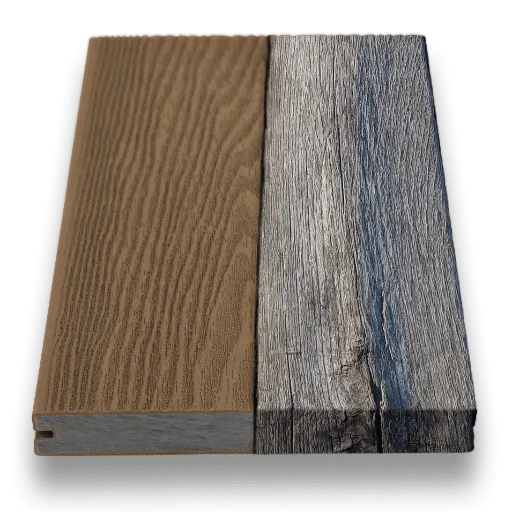
When comparing WPC decking costs to wood decking, first and foremost consider the initial cost maintenance and long-term value. A traditional wood deck, engineered pine or cedar composite, for example, is almost always cheaper at the very beginning, making it a popular option for many. However, wood requires frequent maintenance, such as staining, sealing, and potential board replacement, meaning your total costs will potentially rise over the coming years.
WPC (wood-polymer composites) decking, though having a higher initial cost than wood, is not very maintenance-intensive. It does not need to be restained or sealed frequently and possesses resistance to decay and insect damage, thereby resulting in more savings within the life of the deck. Therefore, for homeowners seeking both durability and equitable long-term value, WPC decking is often viewed as a more cost-beneficial choice, irrespective of its higher startup costs.
Initial Cost Analysis
Materials and labor both need to be taken into account when we talk about costs. Pressure-treated wood is a fairly common choice that costs around $15-$25 per square foot, excluding installation. The redwood and cedar prices will run high because both woods are naturally resistant to decay, approximately $25-$35. Manufactured WPC decking usually initiates in price of $30-$45 per square foot with material and installation included. It may have high upfront costs, unlike the timber, but WPC/ PE/ Plastic surfacing will cost the customer much less since no filing or staining is required annually.
Larger decks have a far wider cost difference to contend with. For example, while a 300-square-foot deck made of treated wood might cost you between $4,500 and $7,500, a plastic deck DX will require something in the ballpark of $9,000-$13,500 to be built. This considerable gap highlights so well the need not to be excessive on upfront costs while also considering the looming cost-effectiveness: WPC could very much do so over a period of time, particularly because of its hard and easygoing sales pitch that promises economic virtues for this construction material.
Long-Term Maintenance Costs
Long-term maintenance costs are very high. During the years, the care needed for pressure-treated wood as opposed to WPC plastic wood decking. What makes initial labor charges cheap is the fact that one must be able to maintain their appearance by carefully considering the upkeep. An average owner may need to reseal or re-stain a deck every 1 or 2 years, paying their carpenter from around $300-600, depending on the work scope, at a price for a 300-square-foot deck. In 10 years, we could possibly be charged $1,500-$3,000 or even over that amount for maintenance.
On the other hand, maintenance costs in the case of WPC decks are very minimal. It hardly deteriorates, cannot be eaten by insects, andits color does not diminish. This implies that there is no need for sealing or staining recurrently. In terms of maintenance, all a WPC deck needs is to be made wider; the growth could be washed off with a little soap and water. Cleaning materials themselves are cheap, as are the services of cleaning. By industry-wide estimates, it has been found that on average a homeowner spends $50 to $100 per year for WPC deck maintenance, so by the end of ten years, the total cost would range between $500 and $1000.
It would be wise to understand that maintenance savings mostly account for the premium costs associated with the initial purchase of WPC decking, a situation which in itself could have conferred certain benefits, given the longevity of WP, that would offset anticipated future costs due to the necessity for replacement or repair. This point is of utmost importance to weigh in properly with the initial price and maintenance costs when deciding on the best decking material.”
Return on Investment for Homeowners
According to where you are living, you may add about 65 to 80% in resale.” Outdoor living is perceived to be the MOST sought after feature in the home,” asserts the NAR in its “Remodeling Impact Report”.
WPC surface decking shall allow the homeowners to keep all savings to themselves when it comes to minimizing maintenance. Constant staining, sealing, or painting of regular wooden decks might cost $300–$1,000 annually based on the deck size and materials in use. Contrary to that, maintenance savings with a WPC deck will mean thousands of dollars during the deck’s life. Beyond that, apart from these standpoints, the material offers water resistance, warp resistance, and insect-resistant features that add to the better resale factor in a property.
Composite deck installation is not just advisable for its property owner-friendly features, like low-cost, no-maintenance appeal, resource availability, and long life, which entail an appreciation of their house, which would be attainable if,f at the time of refugees, a substantial amount of initial outlay can be claimed.
Durability and Longevity
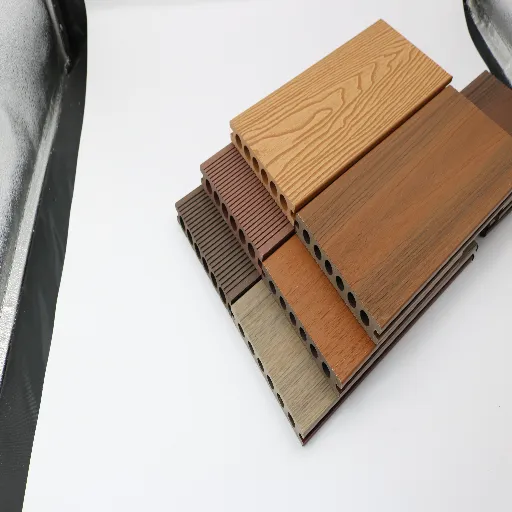
Highly resistant and durable WPC decking proves an excellent choice for a homeowner. Its resistance against moisture, rot, and insect damage ensure maintaining their honesty even under harsh climatic conditions, unlike wood that loses its resistance after regular maintenance. WPC decking, thanks to these unique characteristics, never cracks, breaks, or shows signs of wear. Durability ensures long life, many decades later, with makeshift aesthetics and, most importantly, without heavy maintenance costs.
Durability of WPC vs Traditional Wood
Several factors differentiate Wood Plastic Composite (WPC) durability when compared to traditional wood.
Lifespan: Twice that of conventional wood, WPC deck lasts longer. Untreated wood usually lasts from 10-15 years, and wood-plastic composite can last for more than 25-30 years with better engineering composition and less wear and tear. Hence, WPCs are the ultimate winners for long-term projects.
Resistance to Elements:
- Moisture and Water Damage: In comparison, traditional wood, especially in the absence of treatment or maintenance, can swell, warp, or rot extensively when exposed to high levels of moisture. Nevertheless, WPC as a whole is resistant to water; therefore, water does not pose an issue for its longevity, thereby making it a highly strong material under damp environments.
- Pest Resistance: The threat with natural wood is that wood-boring pests, such as termites,s are likely to cause a lot of destruction over a longer period. WPC is less susceptible to these pests because of its packaging of plastics combined with additives.
Maintenance and Repairs:
- Hardwood decking made of natural timber typically needs to be sealed, stained, or repaired every now and then to account for the usual wear and tear due to cracking or splintering. This can be resoundingly tough in both monetary and labor terms time after time.
- WPC is almost entirely covered under its calfskin comfort, with just a periodic enough wash down with some soap and water to take it through the years; this significantly decreases the overall cost-to-disrepair factor.
Structural Integrity:
A comparison study suggests that WPC-flavored decking, unlike lumber, tends to maintain its original firmness and durability over its lifespan. This is because WPC withstood all the whims of weather so that it did not slip away under heat or cold and expand or shrink like forest woods.
Sustainability:
Concentrating on some of the environmental realities of the life-cycle of the decking materials, much of the wood harvested traditionally is responsible for deforestation and unsustainable practices in its guard. On the other hand, WPC is usually manufactured from recycled waste (wood fibers and plastics), making it environmentally friendly for construction with reduced waste.
The harmony of advanced engineering together with sustainable technology ensures that WPC will befit them at many substantial structural features over traditional woods: longevity, low maintenance, and other advantages in terms of cost effectiveness. In particular, growing homeowner and builder knowledge has further fueled the movement from traditional wood to WPC decking.
Weather Resistance and Performance
One advantage of Wood Plastic Composite (WPC) is the exceptional outdoor durability and resistance to all weather conditions. WPC acquired through them upgrading the natural wood has plagued forever by warping, cracking, or splitting after being made relatively moist or exposed to rampant temperature conditions. Even so, it shares this fine ilk with many disadvantages: four value-added opportunities beyond tradition, its natural plastic/wood alpha! It seems like a very big test; Lami-Deck, on the other hand, can’t bleach under the glaring sun, or even, for that matter, in the dark.
Recent data has offered tangible proof for these views. For example, superior WPC materials demonstrate long-lasting physical color and strength in outdoor conditions of up to 95% and above. Additionally, when compared to traditional wood, WPC absorbs a lower quantity of water—just around 1.5%, in contrast to an almost 20% water absorption rate for ordinary wood. This low water affinity signifies reduced swelling, mold, and decay risks, besides abeing conventional choice for outdoor applications like decking and fencing. With the help of advanced techniques of fabrication and the addition of modern compounds, manufacturers give WPC the ability to remain dimensionally stable even under extreme conditions, hence solidifying its reputation as the most reliable and sustainable construction material.
Maintenance Requirements for Each Material
Thirdly, WPC requires very little maintenance, quite unlike wood. It only requires a soap and water solution to be brushed on the surface to get rid of dirt, dust, and other remains, being agitated with a soft-medium fiber brush. WPC does not require staining, sealing, or painting, either, reducing labor and long-term costs. Vinyl/PVC or aluminum are also used, but these materials may be expensive for home use, again experiencing a similar cleaning requirement. The head joint provides the ultimate structural support that is able to bear the load of the deck, plus everything else brought into the deck beyond that.
Natural Wood
Dirt, molds, and mildew accumulate all over the wooden surfaces, and it is necessary that homeowners clean on a weekly basis to maintain the structure.
PVC (Polyvinyl Chloride) Decking
Almost immediately after the deck flooring has been installed, extremely rigid PVC deck boards do not lose their form, unlike wooden deck boards. Occasional cleaning with water and soap ranges from regular maintenance for these dampness-resistant boards, allowing some mildew and insect infestation without causing damage. These die-resistant deck boards wear slowly. On top of that, manufacturers recommend placing debris between fasteners as well as the courtesy to make sure the fastener is currently neatly orientated.
Aluminum Decking
Another good point of this report is that the maintenance of aluminum decking is absolutely minimal, which implies a high chance of the deck board being resistant to rusting, warping, decay, or insect attacks. Spray with some soap and water to clean and shine. With a powder coating, the decking has managed to keep its finish in place by avoiding paint jobs, no fade, or chipping, and keeping maintenance to a minimum. Some of the manufacturers are pretty solid enough as they offer warranties stretching to 20 years, which can be utilized as tokens in support of the material being lavished against the elements and at the same time robust for maintenance.
Comparing Maintenance Costs
Fresh information suggests maintenance costs per year will be higher for decking material. Some examples:
- Natural wood: yearly spending of $300-500 due to sealing, staining, and time consumption of maintenance;
- PVC: not quite above $50, while aluminum is equally maintenance-friendly unless exceeding its mentioned budget.
Choosing a cheap good is about considering the initials meanwhile examining what they offer with respect tothe overall value and satisfaction.
Environmental Impact of Decking Materials
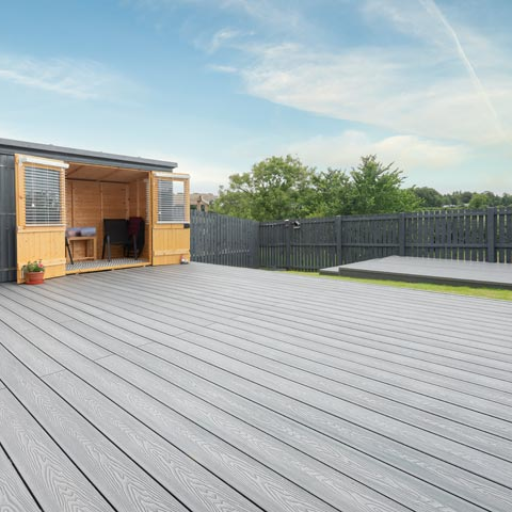
Environmental impacts resulting from different decking materials may vary concerning their compositional constituents and manufacturing processes, of which natural wood is renewable in nature but requires deforestation, resulting in chemical treatment that may be catastrophic environmental hazards. On the other hand, WPC is generally stronger for recycling but highly energy-dependent in the manufacturing processes. PVC and aluminum are more durable, recycling-friendly system components, but are originally from nonrenewable resources, plus with energy consumption. Therefore, the most appropriate options consist solidly with sustainable and recycled materials, durability, and recyclability, hence keeping decking from being environmentally burdensome.
Sustainability of WPC Decking
The rising popularity of wood-composites (WPC) as a sustainable alternative for wood and plastic decking material is owed to several reasons. These materials bring together wood fiber and recycled plastic feedstock. Accordingly, the need for virgin material is eliminated. Quite the reverse, almost all 95 percent of these material types are made exclusively from post-consumer plastics, say polyethylene or polypropylene, mixed with industrial wood waste. Thus, it offers substantial waste diversion from landfills, of which intakes from forestland would have to cease.
The low maintenance requirements of the composite wood-plastic decking facility design are the second coming advantage. Definitely, WPC will require no preservatives so as to protect it from decaying, as well as keep it water repellent. Solely a very small amount of care will mean a lifespan of 25-30 years for this wood or even more. This, in effect, reduces the throw-weight category of material consumption through the years.
However, the extrusion and bonding as a process come only at the expense of much more energy than is required for regular production. In a broader sense, WPCs could be recycled at their lives just like many composites, while structures exist as preposterously few capable of recycling materials made from a single original. Thus, consumers are encouraged to seek products derived from certified WPCs; a few of the recommended organizations include The Forest Stewardship Council (FSC), which, among others, greatly emphasizes the harvesting of raw materials from renewable sources.
In the long run, much about sustainability in WPC decking would depend on the material mix and then an organization’s guideline regarding production-related emissions and augmenting the cycle towards the recyclable stage, hence by the same token, while indicating great future promise, also somewhat of an eco-friendly change per se.
Environmental Concerns with Traditional Wood
The use of traditional wood in construction and manufacturing raises many environmental concerns, including deforestation and unsustainable forest management practices. Recent data shows that around 10 million hectares of forests are lost globally every year, mostly to satisfy timber demand and agricultural expansion. This great loss of forest stands cloaks the destruction of habitats, thus threatening biodiversity and the survival of species that depend on forest ecosystems.
Traditional wood has also increased carbon dioxide in the atmosphere. As some of the widely accepted concepts suggest, deforestation reduces the ability of forests to act as a carbon sink, contributing to approximately 10-15% of global greenhouse gas emissions on an annual basis. The processing and treatment of industrial wood products can also involve chemicals, pollution, and considerable energy consumption, so they contribute to the total burden on the environment.
A further major downside is the finite life of hardwood tree species of higher quality. Overexploitation of forestry leads to deterioration in species such as mahogany or teak, which are slow-growing, and contributes excessively with virtually depletion in old-growth forests. Figures released add weight to the findings that up to 15-30 percent of the global timber trade stems from illegal logging, amplifying manifold global ecological damage and undermining the principles of sustainable forestry development.
While some efforts are on the way to promote responsible sourcing of wood via such certifications as FSCs or the PEFC (Program for the Endorsement of Forest Certification), traditional wood trails behind WPC in terms of long-term sustainability. These challenges indicate the need for more thoughtful material selection and forest conservation efforts to address the devastating impact of traditional wood use on the environment.
Recycling and Disposal Considerations
Natural woods can be processed and recycled, but one fact prevails: the recycling process kills the wood resource in the market. In 2021, construction and demolition operations in the U. S. A created about 12.2 million tons of wood waste, most of which was dumped into landfills. A mere 16% of this wood was segregated and recycled or re-utilized.
The answer to whether wood can be reused depends on the type of wood that was used and any chemical treatments or coatings it might have had. Untreated woods generally find additional uses for mulching, composting, or bioenergy processing. However, treated woods or colored woods are dangerous for recycling because the chemicals used in treatment can contaminate recycling streams, thereby resulting in disposal in a landfill or through incineration.
On the other hand, materials such as WPC offer better recycling options, as they are most often made to be reprocessed at the end of their utilization. With advances in recycling technology, the wood component can be ground up and reused in the production process, further consolidating claims for the material as a sustainable alternative.
Increasing recycling rates for wood products hinges upon augmenting consciousness alongside systems for waste separation and more stringent laws stressing resource recovery. Applying circular economy thinking in almost every sector means less junk and more sustainable resource convenience.
Choosing the Right Decking Option for Your Outdoor Space
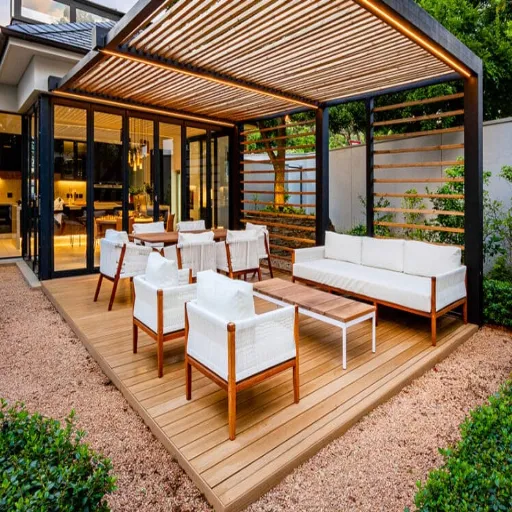
The stuff to chew on for quality decking for your outdoor space is as follows:
- Material: It’s wood, composite, and PVC. Wood decking offers great natural elegance, but composite and PVC will demand less maintenance and are more durable in the long run.
- Climate: Choose all-weather-resistant materials while considering your local weather conditions. Or, for example, the humid climate is good for composites and PVC since they excel in moisture resistance against rot and mold
- Budget: Wooden deckings have traditionally held an upfront affordable transaction value, but composite and PVC will save in the long run when it comes to maintenance and longevity.
- Maintenance: The question between wood and high-quality composite/PVC decking is one of extreme simplicity if maintenance is a major factor by which you will make your decision.
- Aesthetics: The design aspect will have you interpret the style that best suits your outdoor design. Highly varying shades and finishes are available in composites/PVC, or you could go the soulful way of natural wood.
Observe the following in searching for a decking material that fits your needs, choice, and lifestyle.
Factors to Consider: A Homeowner’s Guide
Durability:
According to industry reports, composite and PVC decking can last between 25 and 50 years, with a minimum amount of wear, while natural wood typically lasts around 10 to 20 years, depending on maintenance and weather. Among the general decking materials, PVC provides resistance to water, rot, and insect attack.
Cost:
The initial cost of composite and PVC decking is higher; however, their low maintenance and long-lasting nature often compensate for these costs over a period. For example, the average cost of composite decking falls between $4 and $12 per linear foot compared to wood decking, which costs between $3 and $7 per linear foot. Nevertheless, wood rot cards will require immediate replacement with clearer maintenance, thereby compounding long-term costs.
Environmental Impact:
Many of the new composite decking materials are made from recycled material, definitely making them a preferable green choice. On the other hand, those who believe in preserving the natural way can go for sustainably sourced wood decking. If not responsibly sourced, this untreated wood could assist in deforestation.
Maintenance Needs:
Composite and PVC decking require very little extra care and only need minimal cleaning about once in a while (soap and water). In contrast, wooden decking needs to be re-stained or re-sealed every year as a measure for its protection from weathering and pests. This maintenance generally costs homeowners from $300 to $600, contingent on the size of the deck.
Pros and Cons of WPC vs Wood Decking
WPC Decking – Pros:
- Durability: WPC decking is highly resistant to rotting, warping, and insect infestation, making it perfect for long-term use in harsh environmental conditions.
- Low Maintenance: Unlike wood, WPC decking does not require staining, sanding, or sealing. Regular cleaning with soap and water is usually sufficient.
- Eco-Friendly: Several WPC products are made from recycled materials, including plastics and wood fibers, thus providing a healthy measure of sustainability.
- Variety: With a variety of colors, textures, and finishes, WPC decking can replicate the look of natural wood while aligning with modern design trends.
- Longevity: WPC can last for up to 25 years, far outlasting traditional wood decks with minimal maintenance.
Decking material can be either WPC or timber, and this material choice is a matter of where your desires resonate. If you are passionate about zero maintenance, an environmental lifestyle, and a decent lifespan, then WPCs should be your ultimate choice. On the other hand, if you can work with the lost luster of wood and display the zeal to keep the lumber maintained, then you should undeniably go for timber decking. The price, environmental perspective, and the climate in the location of your decking project will be the three factors to consider in making your final, wise decision.
Making the Best Choice for Your Outdoor Living
Trending factors in the industry might guide you between traditional wood and wood plastic composite (WPC) decking.
Cost Comparison
There is a variety in the cost of WPC decking. Recent estimates state that the cost of WPC decking, along with installation, ranges from $15 to $30 per square foot, while wood decking, such as treated lumber, averages $10 to $20 per square foot. Hardwood options like redwood or cedar may fetch $20 to $35 per square foot. Thus, although solid wood may have comparatively lower initial costs, the cost soars toward the investment for WPC within each decade due to the low level of maintenance, which includes not refinishing or sealing.
Durability and Lifespan
WPC decking is a very durable material with an expected life span of 25-30 years or more. That is because WPC remains immune to rotting, warping, mildew, and insects. In contrast, wood decking has a lot to do with maintenance and environmental variables, i.e., a 10-15 year lifespan for unprotected wood versus 20 years or more through treated or quality wood with proper maintenance.
Maintenance Requirements
A WPC deck requires less maintenance than a wooden deck; you need only clean it occasionally with soap and water. The maintenance demand for natural wood is completely on a different spectrum; sealing, staining, and cleaning are obligatory in order to protect the wood from wear as a result of exposure to moisture, sunlight, and pests. Recent studies found that homeowners need to spend around $150 to $300 each year to maintain a wooden deck, unlike the non-existent to almost zero costs associated with WPC maintenance.
Environmental Considerations
There is an environmental angle to consider: improvements in modern technology have made costs more environmentally friendly for both decking options. WPC decks often get an environmental boost from recycling-type materials like reclaimed wood fibers and plastics. The same could easily be construed for lumber use, with jungle-certified likelihood responsiblefor lumbering. An additional credential lies in the sustainability of the decking material employed.
Climate and Weather Conditions
Local climate is a huge factor in the material choice. WPC does better as it resists moisture, does not absorb water, and does not warp in humid or wet conditions. Only in extremely hot circumstances does the ground underfoot warm up, specifically under just the sunshine; real wood remains cooler.
Many factors are encompassed in order to aid one in selecting the best pet materials for their tastes and their needs. Thorough investigation has given weight, whether it is up-front or for long-term enjoyment, given that, if kept informed of hi-tech changes and peculiar innovative steps, one’s remodeling of the backyard can forge the most healthy investment.
Reference Sources
Life Cycle Assessment of Wood Plastic Decking Manufacturing
Source: ScienceDirect
Key Findings: This study conducted a life cycle assessment (LCA) of WPC decking manufacturing in China. It highlighted the environmental benefits of using recycled materials in WPC production and proposed strategies to reduce environmental impacts, such as optimizing energy use and material efficiency.
Methodology: The research used LCA tools to evaluate the environmental footprint of WPC decking production, focusing on emissions, energy consumption, and waste management.
Evaluation of WPC Properties with Different Wood Types and Additives
Source: Stellenbosch University
Key Findings: This study compared the properties of WPCs made with different wood types, additives, and processing techniques. It found that the choice of wood and additives significantly affects the mechanical and physical properties of WPC decking.
Methodology: Experimental production of WPC samples with varying compositions was conducted, followed by testing for mechanical strength, durability, and other physical properties.
Thermoplastic Moulding of WPC: A Review on Physical and Mechanical Behavior
Source: ScienceDirect
Key Findings: This review explored the physical and mechanical behavior of WPCs under thermoplastic moulding techniques. It emphasized the advantages of WPCs in terms of durability and resistance to environmental factors compared to traditional wood.
Methodology: The study reviewed existing literature and experimental data on thermoplastic moulding techniques and their impact on WPC properties.
Frequently Asked Questions (FAQs)
What are the main differences between WPC and traditional decking?
The material and general performance will be cases where composite decking and real wood will be compared: For the WPC decking is it only made of a mixture of wood fibers and recycled plastics to compose composite boards. Meanwhile, natural lumber with hardwood is all wood decking. Treated or composite decking, produced from a mix of wood fibers and resin, resists deterioration from mildew, mold, rot, and insects. On the other hand, the wooden deck cannot have any guarantee against rotting or splintering. However, it requires regular maintenance, sealing, or staining, depending on weathered circumstances.
Does WPC resemble a real wooden deck?
High-quality composite decks can also look like good wood grain, and in this way taste for wood is not always lost. The design rules for composite boards are such that they imitate wood grain as well as the color variation, providing an attractive alternative to real wood for the looking-for backyard deck or outdoor living space. But some homeowners still prefer real wood for its natural feel and aging possibilities; it sets true value upon your real grain and feel. Composite decking is definitely in terms of color retention and low wear, but wood de facto sets itself inimitably apart used recycled materials.
What is the expense for installation and building material difference between WPC vs. Wood Decking?
The composite deck has something for every taste, some of the subgroups being: traditional, vintage, luxurious modern, and extremely contemporary. The textures can range anywhere from soft-feel and gripping sandy financial desert to ocean air as an obstacle, even airy, as in forested areas, and the general feel that traditional markets are the true core. The composite deck’s versatility in style matches any need or taste, thus providing options.
What are the advantages of WPC decking?
The advantages of WPC include durability, low maintenance, and resistance to mould, ro,t and insects. WPC decking tends to hold up well under conditions of high moisture and prevents warping and splintering through the combination of wood fibers and plastic. WPC decking provides the comfort of consistent performance even if the surface looks as real as real timber; plus, sometimes, it comes with a longer warranty (which is a godsend to busy homeowners who are interested in a hassle-free outdoor living space, devoid of excessive refinishing).
What differentiates a customer’s usage with respect to the WPC industry and the wood one when choosing between WPC and wood alternatives for decking?
Choosing between WPC and hardwood decking depends on your priorities- if the lowest maintenance is your priority, along with long-term durability and uniform looks, Composite decking is an apt choice; if you love the look of natural hardwoods, the original savings (with some species), and the sustainability resulting from responsibly sourced lumber, then the real wood may be more appropriate. Factors to consider are how much wood grain texture you aspire to possess, the ambient climate condition, the foot traffic you expect, and whether you want a wood plastic composite deck for the sake of longevity. As far as the notion is concerned, one can make a choice of an exterior deck or an outdoor living room of a WPC deck, with a price calculation for its life span and an eye for the aesthetics of the material.
Categories:
Blog
Related Articles